 I consider myself to be something of a bagel aficionado. Partly because I have eaten my fair share (and perhaps several others fair shares as well) over my life span, and partly because I have baked hundreds of bagels myself, after learning the craft when I participated in the Bread Baker’s Apprentice Challenge.
I will not delve into the hotly contested debate of New York vs. Montreal style bagels, because really, that argument is laden with trash talking and never ends well. For those not familiar with the difference between the two styles, a little bagel primer here.
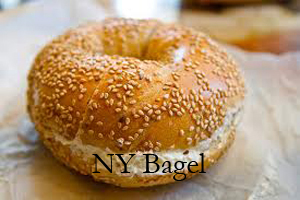
Montreal bagels are thin, a little sweet and quite chewy. They are boiled and then baked in a wood fired oven. They are really only good within the first few hours of being baked. After that, they get quite tough and leathery. New York bagels are bigger, doughier and fluffier than Montreal style bagels. They are also boiled first and then baked, but not usually in a wood fired oven.
 One’s bagel preference is imprinted on them early in childhood and it’s extremely tough to shake it. Personally, I do not care for either Montreal or New York bagels. I grew up in Toronto, and for me, bagel bliss is a Bagel World Twister. Weighing in at 8 ounces, these behemoths are chewy in the center and heavily seeded with poppy to create an extreme crunch on the outside. Twisters are spiralled by hand; the dough is literally twisted before the loop is closed to form the bagel. The result is that the baked bagels tear apart in beautiful little sections. All the better to slather on salted butter.
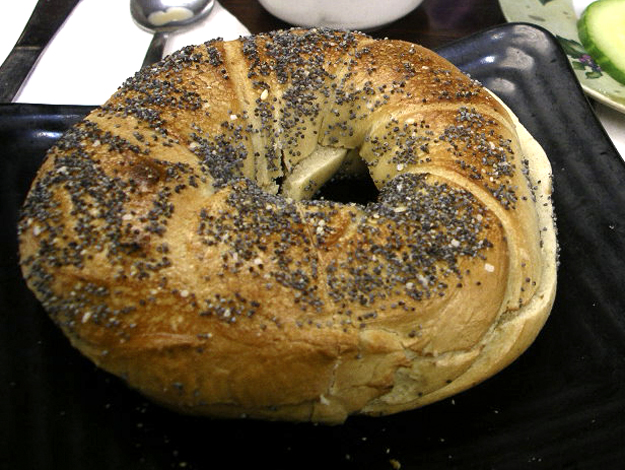 Bagel World realized that it is a hazard to your health to eat twisters on a regular basis, so they created Twister flagels (flat bagels). I do not care for them quite as much as a regular twister since the chewy middle part has all but been eliminated. Sadly, I no longer live in Toronto and here in Ottawa bagels are made in the Montreal style. Blech!
I’ll be so bold as to bring a different species of bagel into this discussion: The Gluten-Free Bagel. Are delicious gluten-free bagels possible, or is that an oxymoron? Up until about 5 years ago, I would have said that gluten-free bagels should not even be allowed in the same conversation as regular bagels. We put out youngest son on a gluten free diet about 12 years ago, and one of the hardest things for him to give up were bagels. I tried buying commercially made gluten-free bagels and truthfully, they were awful. The vast majority of them were made from a combination of rice flour and tapioca starch. The texture was quite gluey.
Then, a friend of mine, who suffers from Celiac disease, gave me a recipe for gluten-free bagels that he discovered in the magazine “Living Without.” I was sceptical, but when I read the list of ingredients, I was intrigued. These bagels incorporate 6 different types of flour (Garbanzo-fava bean flour, brown rice flour, arrowroot flour, potato starch, tapioca flour and amaranth flour) to create a multi-grain flour blend. In addition, the recipe also calls for flax meal (ground up flax seeds). All these ingredients combine together to create a bagel with some heft and chew. I will be honest and tell you that they are best toasted, but if you are unable to have gluten, these really are a delicious substitute.
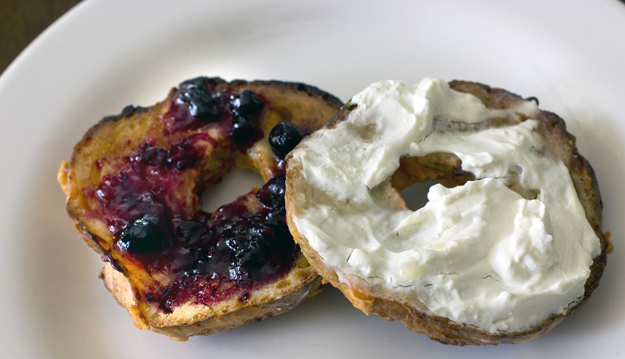
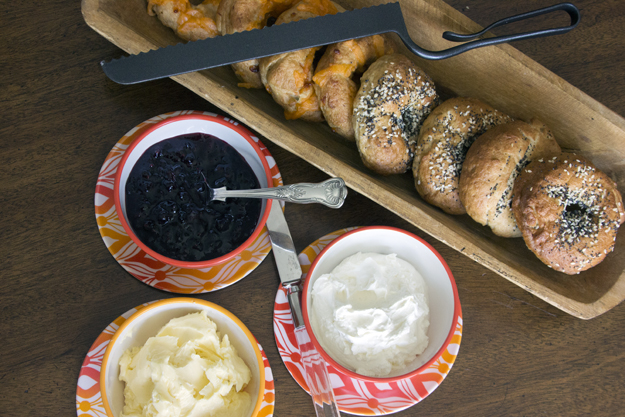
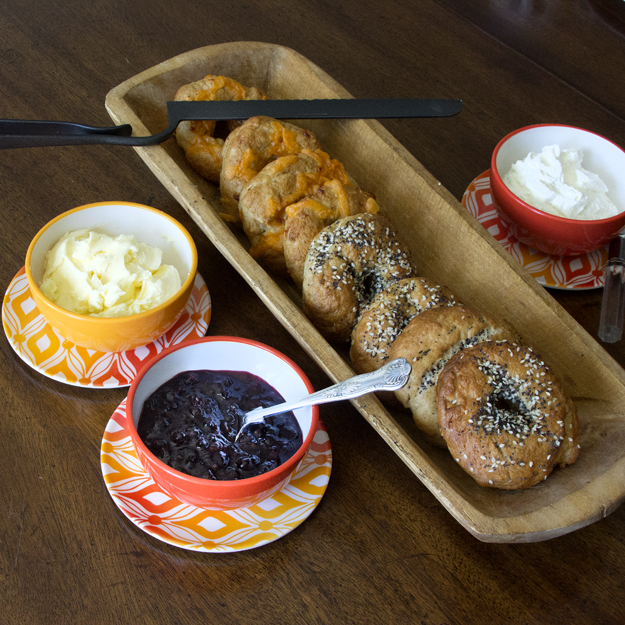
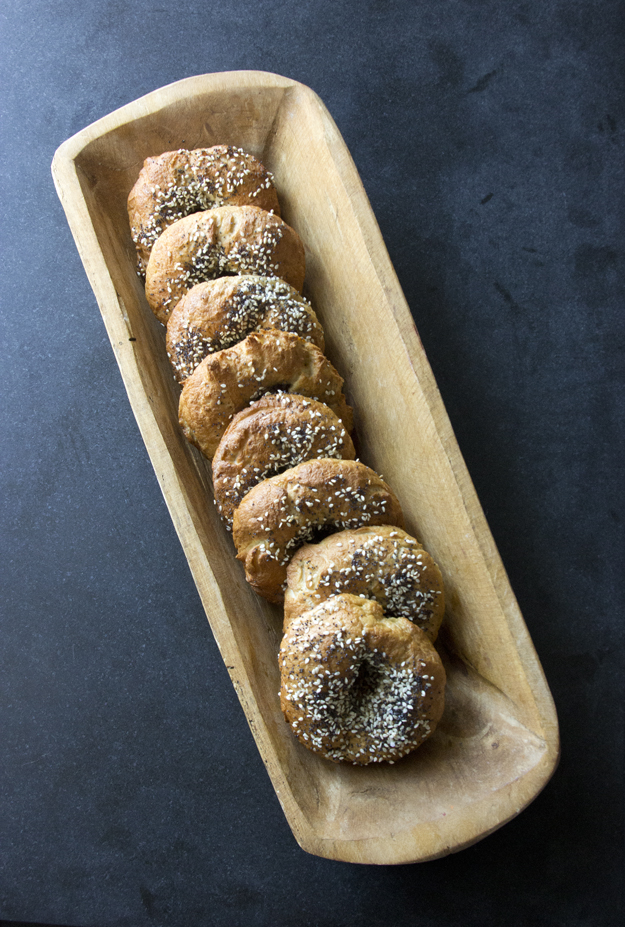
I make them regularly for my son and decided to blog about it, since gluten-free diets seem to be gaining in popularity. Today I made a batch of seeded (poppy and sesame) and a second batch of cheddar jalapeno gluten-free bagels. The dough for regular flour bagels needs to spend a night or even two in the fridge to allow the gluten and flavours to develop. Since these are gluten-free, they can be made quite quickly.
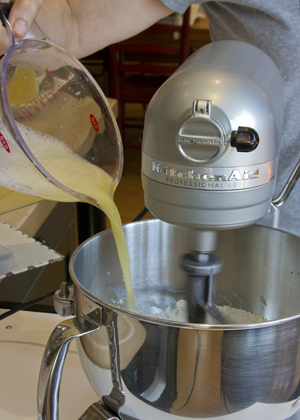
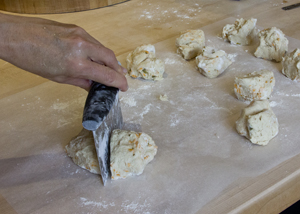
This is quite a sticky dough, so it is best made in a stand mixer. Start out with the paddle attachment and then switch to the dough hook after several minutes of mixing. A plastic pastry scraper will make it easier to get the dough out of the bowl and a metal bench scraper makes portioning the dough easier.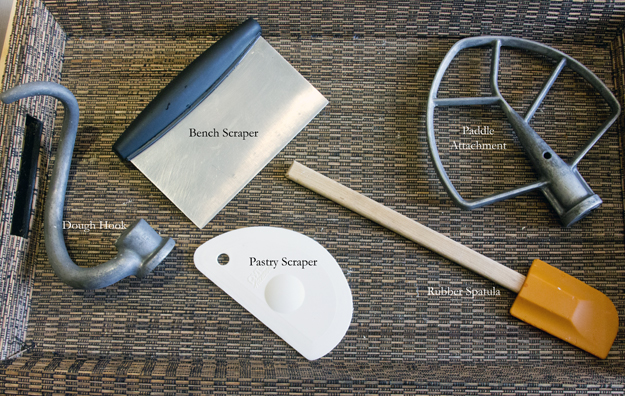
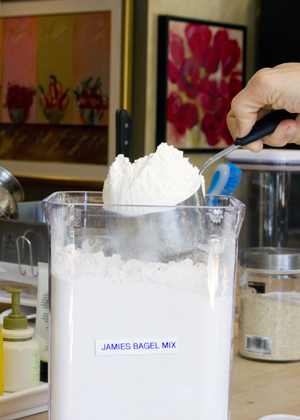
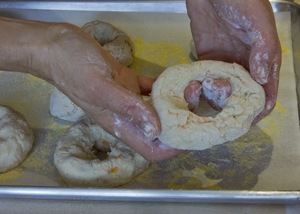
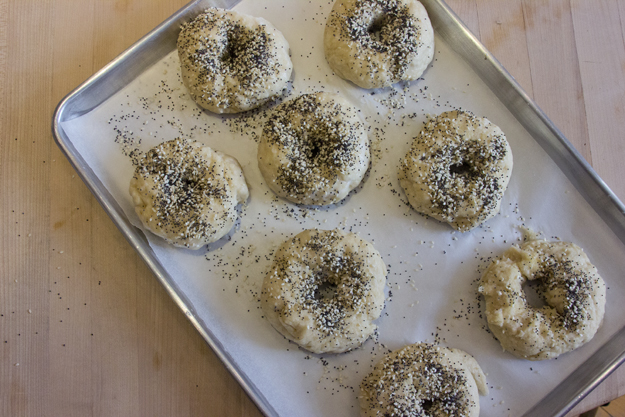
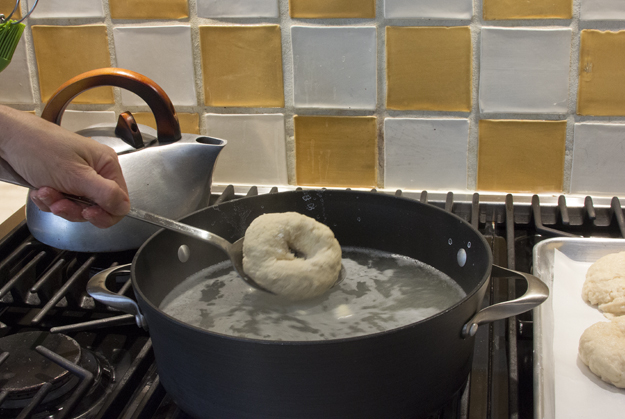 The seeds are sprinkled on after boiling and before baking.
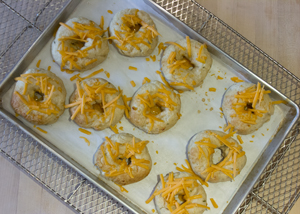
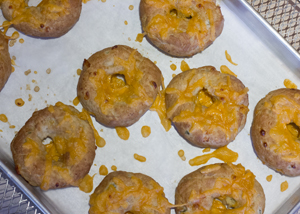
 For the cheddar jalapeño bagels, I mixed in some shredded cheddar and finely diced pickled jalapeño peppers. After 10 minutes in the oven, they get topped with some additional cheddar, for the the last 10 minutes of baking.
 Click here to print recipe for Gluten-Free Seeded Bagels.
Click here to print recipe for Gluten Free Cheddar Jalapeno Bagels.