This week’s bread in the Bread Baker’s Apprentice Challenge presented me with a real dilemma. You see, Tuscan bread is unique in that it is one of the only breads, the world over, that is made without salt. If you are a regular reader of my blog you will know that those words, “without salt” chill me to my very core. Salt is the essence of flavour. It provides a depth and complexity to whatever you are preparing. It helps to enhance all the other ingredients and provides balance to any dish. My greatest fear is that my doctor will tell me I have high blood pressure and then recommend a sodium reduced diet. I am so worried about this that I actually bought a home blood pressure monitor and I religiously check my blood pressure every month. It’s been averaging about 114 over 70, so for now I’m safe.
The response from my fellow BBA Challengers was less than stellar. Phyl, of Cabbages and Kings said, “But, the big question was, how would it taste? Could a salt-free bread really stand up to the other amazing breads that have come out of the BBA Challenge? Would the flour paste make such a huge flavor difference that, as PR suggests, I might decide to incorporate it into other bread recipes? In a word — meh.”
Sally of Bewitching Kitchen said,“… the lesson I took from this recipe was “the fact that you can make a bread without salt, doesn’t mean you should”
Ok then, maybe I should just add salt to this bread. But I think that would be cheating. I decided to do a little research to see why the Tuscans, who make such fabulous food otherwise, would leave out the salt. Most queries came up with the response that once upon a time, there was a prohibitive tax on salt in Tuscany and so people could not afford to use it. Okay, I understand that was the case many years ago, but why would sane Tuscan people with fully functioning taste buds still put up with that? There had to be another reason.
Renowned cooking teacher and Florentine expert Giuliano Bugialli explains, “The fact is that Tuscan food is highly seasoned and has always been so and the bread, which is eaten with the main course and is an essential part of the meal, provided a better balance without salt.” From a culinary standpoint that made sense to me. Alright then, game on! This was going to be a double challenge for me:
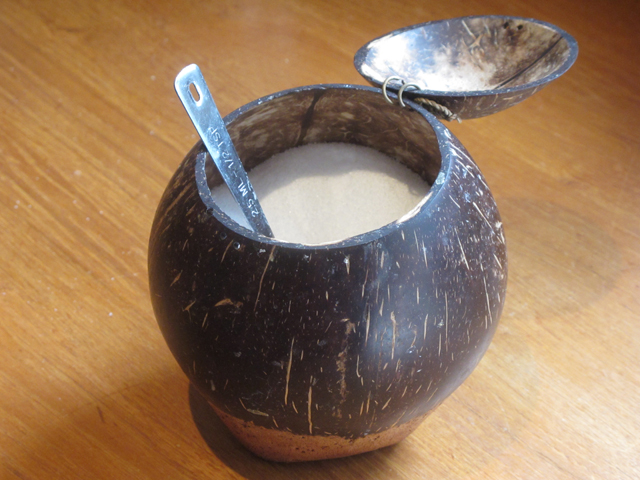
1. Resist temptation to add salt and make the bread as intended. This proved difficult as my ever-present beautiful coconut husk salt-cellar sits out on the counter in plain sight.
2. Find some amazingly flavourful foods to go with this bread.
This bread is fairly simple to make but does require two days. On day one you add boiling water to some bread flour, stir it up and let it sit out overnight on the counter. Peter Reinhart explains that, “…the gelatinized starches release flavors that give this bread a distinct quality, quite unlike any other bread.” Well good, I thought, this saltless bread is going to need all the help it can get. As I mixed up this concoction I had a vague memory of smelling this particular aroma before but could not quite place it.


The next day the paste is mixed with yeast, olive oil, water and more bread flour. Again I had a nagging sense that I had smelled this aroma before, but where? I just could not place it.
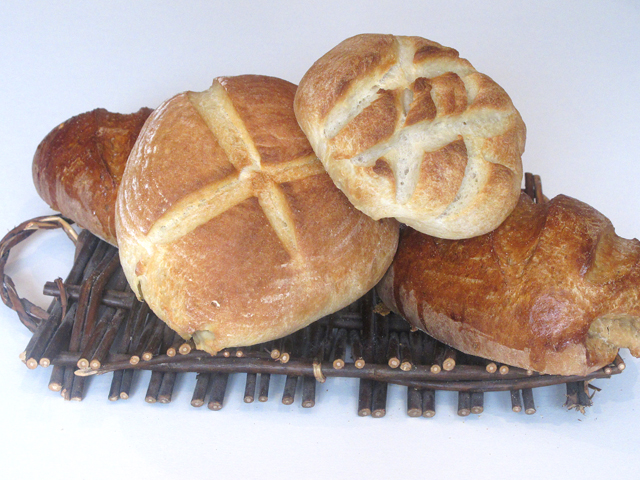
The dough was covered and set aside to rise until doubled. Then I formed it into two loaves. I chose the boule shape and decided to let it have it’s second rise in a banneton (a special wicker bread basket used for proofing dough). The banneton would give the bread a beautiful appearance even if the taste was disappointing. As I only have one banneton, the other boule was left to rise freeform. Within an hour the dough had doubled so it was time to bake it.


I slid my freeform loaf onto the baking stone in the oven. Then I gently tipped the bread out of the banneton and onto my bread peel. I gave it a quick slash with my sharp knife and slid it onto the baking stone . So far, so good. I placed a pan of hot water beneath the baking stone to provide extra moisture to the oven. This should ensure a better shine on the crust. 25 minutes later the breads were done. They looked just gorgeous.


I let them cool for about an hour and sliced into them. I handed a slice to my friend and as she held it to her mouth she took a sniff and said, “This bread smells like play-doh.” AHA!! That’s what the smell I could not place was. Then I took a bite. The play-doh aroma perfectly matched the play-doh taste. You may be wondering how I know what play-doh tastes like. As a child I sometimes tasted the food creations my sisters and I crafted from play-doh. (Okay, maybe that should be placed in the “too much information” file). To be fair, I think I may have underbaked this bread a bit as the center, even after cooking was quite doughy.

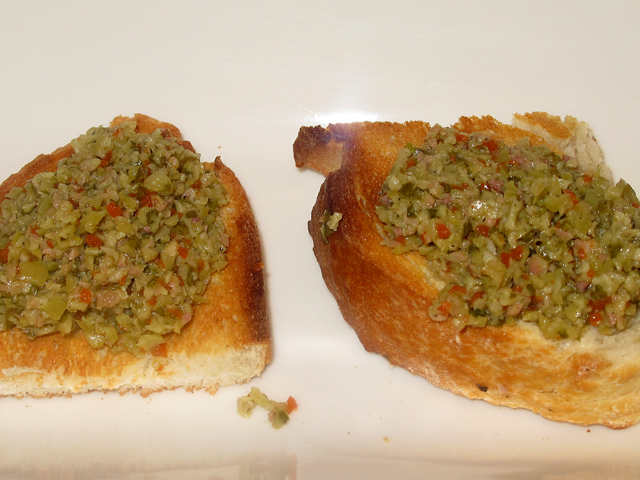
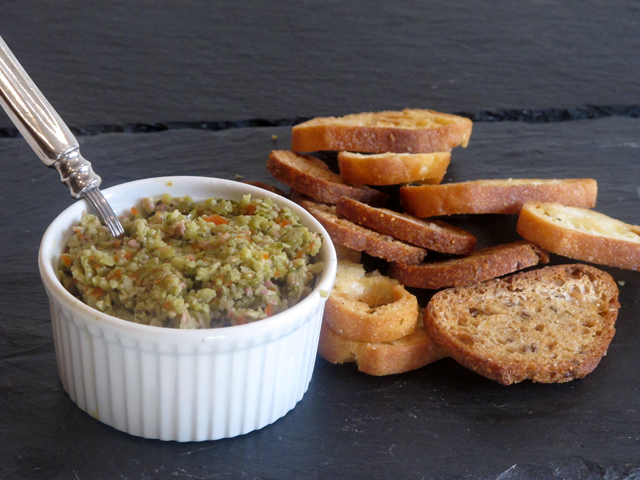
If anyone ever asks you to explain to them why most baking recipes contain a bit of salt all you have to do is hand them a slice of this bread. No verbal explananation will be necessary. This bread tasted flat, dull and lifeless. But, I was not to be deterred. I had a challenge of making this bread taste good. Going through the list of possibilities of salty foods to pair this one with I immediately thought of my friend Sandy’s olive tapenade. I whipped up a batch and toasted some of this bread and slathered it with the tapenade. It did a wonderful job of masking the play-doh taste.