Tag Archives: Jewish baking

Salami Babka

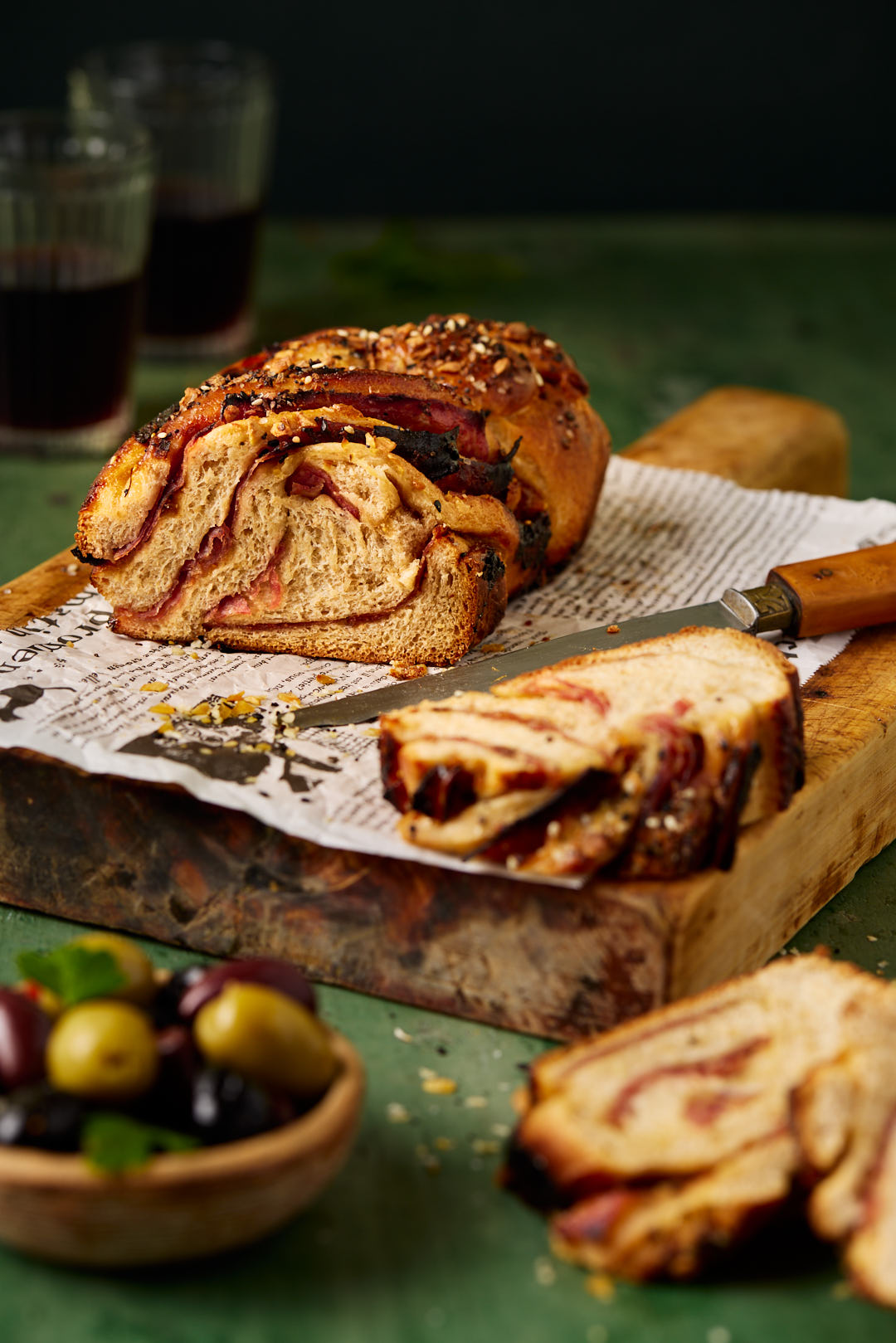
Sweet babkas seem to get all the love — but savoury babka absolutely deserves its moment in the spotlight. This one takes inspiration from the best kind of salami sandwich — only better, because it’s all wrapped up in tender, pillowy challah dough. The filling layers sweet fig jam with spicy salami and a brush of Dijon mustard for tang, twisted into a loaf that bakes up bronzed and glossy, with those irresistible crispy edges of salami peeking through.

The inspiration for this babka goes back to when I first started dating my husband. He brought me to Ottawa to meet his family, and one night, we ended up at his youngest uncle’s place for a backyard BBQ. As an appetizer, he sliced up salami, threw it straight on the grill, and served it sizzling and crispy, ready to dunk into yellow mustard. I was blown away. At the time, I thought this was the absolute height of culinary sophistication. Grilled salami? With mustard? I’d never seen anything like it — and I was thoroughly impressed. Crispy, salty, greasy in the best way… it totally hit the spot.

That memory stuck with me, and years later it became the inspiration for this Salami Babka — a more refined, but no less delicious, tribute to that backyard bite.

Think of it as the ultimate salami sandwich — all dressed up.

Keys to Success to Salami Babka Perfection

  • Chill the logs before slicing. After shaping, freezing the filled logs for 10–15 minutes makes slicing and twisting much easier — the firm dough holds its shape cleanly.
  • Don’t skip the egg wash and bagel spice. Brushing with egg wash gives the babka a beautiful sheen, while Everything Bagel spice adds a crunchy, savoury finish that complements the filling perfectly.
  • Use an instant-read thermometer. For best texture, bake until the internal temperature reaches 195°F (91°C). This ensures the centre is fully cooked without overbaking the crust.
  • Play with flavour. Once you’ve tried this give my Fig, Olive and Halloiumi Babka a try.
    Harissa and olives or sun-dried tomato and za’atar would also be stellar combos.

Serving and Storage Tips

Salami Babka is at its best slightly warm or at room temperature. Serve it as a savoury alternative to traditional challah on a Friday night Shabbat table — it’s sure to spark conversation. It also makes an excellent snack with a glass of wine and a bowl of spiced olives as an aperitivo.

Wrap cooled loaves tightly in foil or an airtight container and store at room temperature for up to 2 days.

For longer storage, you can freeze the shaped, unbaked babka logs after the chilling step — wrap well in plastic and foil, and freeze for up to 1 month. When ready to bake, thaw overnight in the refrigerator, then proceed with final rise and baking.

Baked loaves also freeze beautifully. Wrap tightly and freeze for up to 1 month. Reheat slices in a 300°F (150°C) oven for 5–10 minutes to refresh.
Salami Babka

A savoury twist on babka! This Salami Babka is made with soft challah dough layered with fig jam and spicy salami. Perfect for a Shabbat table, brunch, or as an impressive appetizer loaf. Freezer-friendly too!
Servings 16 slices
Calories 255 kcal

Ingredients
  

Challah Babka Dough

  • 4 grams sugar
  • 1 cup warm water, 115°-120°F
  • 8 grams traditional yeast, (also called active dry yeast)
  • 360 grams all-purpose flour
  • 113 grams honey
  • 6 grams Diamond Crystal Kosher salt
  • 1 large egg, lightly beaten
  • 49 grams vegetable oil
  • 120 grams whole wheat flour

Babka Filling

  • 1/2 cup fig jam
  • 2 Tablespoons Dijon mustard
  • 240 grams thinly sliced salami

Babka Topping

  • 1 large egg, lightly beaten
  • 2 Tablespoons everything bagel spice

Instructions
 

Challah Babka Dough

  • In a 2-cup liquid measuring cup, dissolve 1 teaspoon sugar in 1 cup warm (115° -120°F) water. Sprinkle yeast on top and let stand for about 5 minutes, until yeast gets all bubbly.
  • Make the dough in a stand mixer: Place all-purpose flour, honey and salt in the stand mixer bowl, fitted with the paddle attachment.  Mix briefly to combine.  Pour dissolved yeast mixture into machine and mix for about 1 minute.  Add egg and oil and mix again for about 30 seconds.  Add whole wheat flour and mix on medium-low speed for about 1 minute. Remove paddle attachment and switch to the dough hook. Mix on lowest speed for 10 minutes, until dough is smooth and satiny.
  • Turn dough out onto a lightly floured surface. Knead for a minute and then form the dough into a ball and transfer it to a large oiled mixing bowl. Turn dough until all sides are coated. Cover the bowl with plastic wrap and set aside. Let rise at room temperature for about 60-90 minutes, or until doubled in bulk.  A good test to see if the dough has risen enough is to insert your lightly floured finger to a depth of 1 inch into the dough and see how it springs back. If it springs back quickly and almost entirely the dough is underproofed and needs more time. If the indentation holds its shape the dough is likely overproofed. What you're aiming for is an indentation that springs back slowly and not all of the way.
  • Spray two 8×4 inch loaf pans with cooking spray. Line pans with parchment paper. If you are unsure of the best way to do this, check out this video:

Shape and Bake the Babkas

  • Turn the risen dough out onto a lightly floured counter and divide it in half. Work with one piece of dough at a time; keep the other half loosely covered.
  • Roll out one piece of dough into a 10 x 16 inch rectangle. Spread half of the fig jam evenly over the surface, leaving a 1-inch border along the long edges. Layer half of the salami slices over the jam, overlapping slightly. Spread half the Dijon mustard over the salami slices.
  • Starting with the short edge closest to you, roll the dough into a tight log, pressing gently as you go. Use both hands to even out the roll into a perfect thick cigar. Place the rolled log on a parchment-lined baking sheet, seam side down, and transfer to the freezer for 10–15 minutes to firm up.
  • Repeat the rolling filling and freezing process with the second piece of dough, using the remaining fig jam, salami and mustard.
  • Working with one chilled log at a time, use a sharp knife to cut the log in half lengthwise. With the cut sides facing up, twist the two halves together to form a braid. Carefully transfer the twisted dough to a parchment-lined 8×4 inch loaf pan. Repeat the cutting, twisting, and shaping process with the second chilled log. Cover both pans loosely and let rise until puffy, about 45–60 minutes.
  • Preheat the oven to 350°F (180°C). Brush the tops of the loaves with beaten egg and sprinkle generously with Everything Bagel spice. Bake for 20 minutes minutes and check to see how quickly the top is browning. If it is getting too dark, cover loosely with foil until the loaves are deep golden brown and the internal temperature reaches 195°-200°F. (91°-93°C) Cool in the pans for 15 minutes, then transfer to a wire rack to cool completely before slicing.

Notes

I like to bake these in a smaller loaf pan, measuring 8×4 inches. If you only have 9×5 inch pans, that will also work, but your loaves will not rise as high.
Salami Babka is at its best slightly warm or at room temperature. 
Wrap cooled loaves tightly in foil or an airtight container and store at room temperature for up to 2 days.
For longer storage, you can freeze the shaped, unbaked babka logs after the chilling step — wrap well in plastic and foil, and freeze for up to 1 month. When ready to bake, thaw overnight in the refrigerator, then proceed with final rise and baking.
Baked loaves also freeze beautifully. Wrap tightly and freeze for up to 1 month. Reheat slices in a 300°F (150°C) oven for 5–10 minutes to refresh.

Nutrition

Calories: 255kcalCarbohydrates: 34gProtein: 8gFat: 10gSaturated Fat: 3gPolyunsaturated Fat: 3gMonounsaturated Fat: 4gTrans Fat: 0.02gCholesterol: 35mgSodium: 518mgPotassium: 138mgFiber: 2gSugar: 10gVitamin A: 36IUVitamin C: 1mgCalcium: 25mgIron: 2mg
Tried this recipe?Let us know how it was!

And here’s a little bonus I discovered: leftover slices of Salami Babka are absolutely incredible toasted. Just pop a slice into the toaster or throw it on the grill for a minute or two. The edges get crispy, the fig jam caramelizes a little, and the salami takes on that same irresistible sizzle I first fell in love with. It’s the ultimate snack upgrade — and proof that this babka is just as good the next day (if you’re lucky enough to have leftovers).
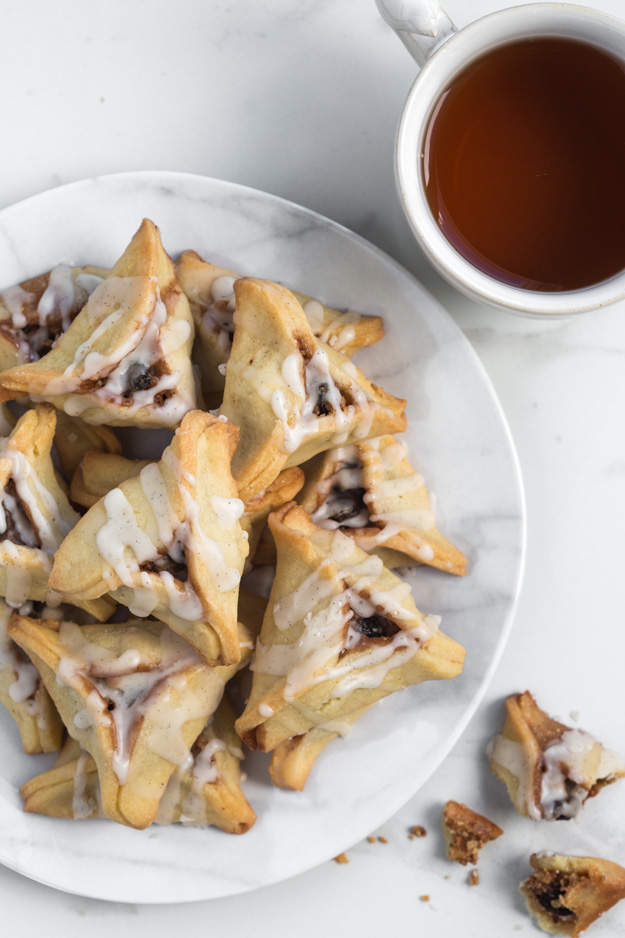
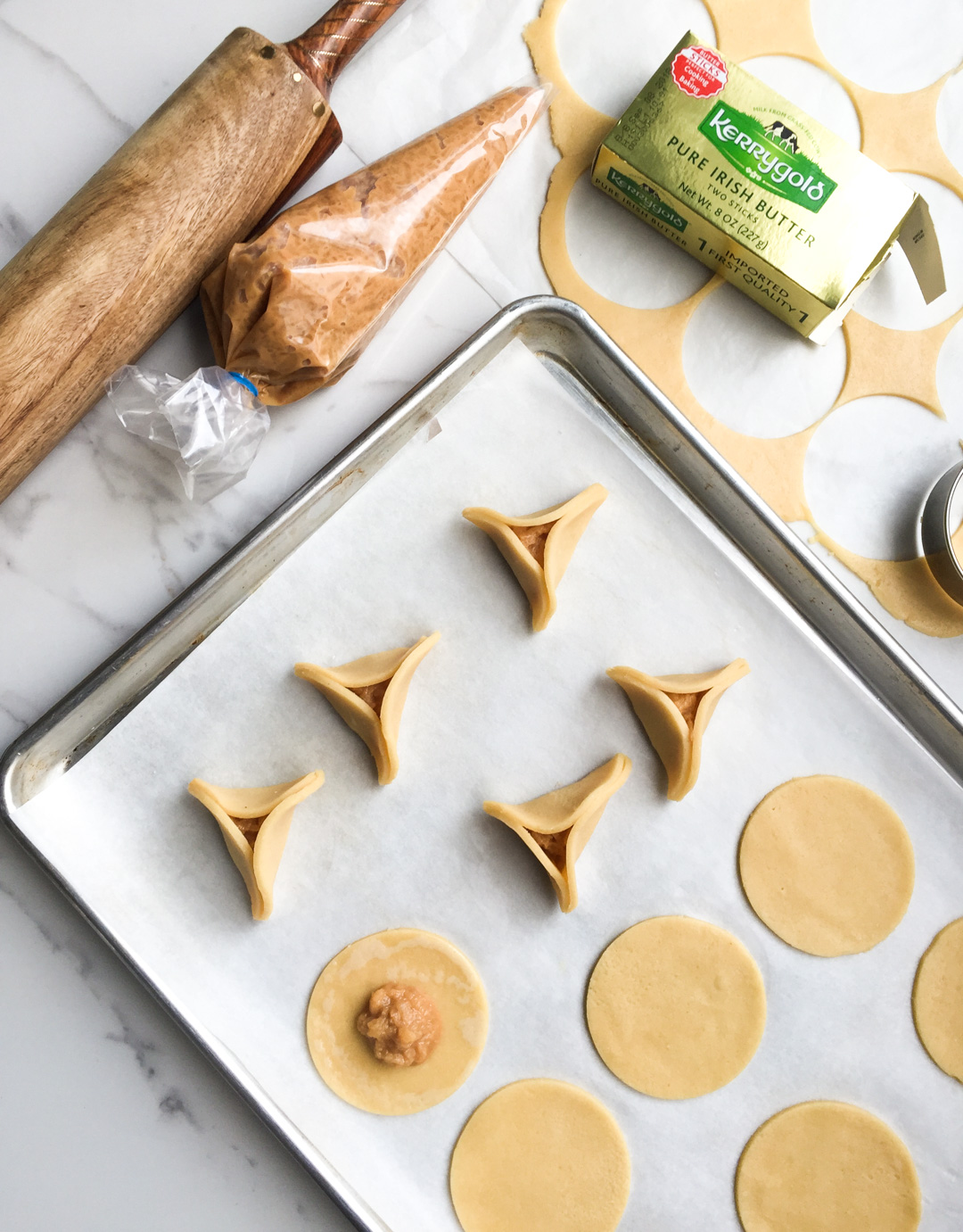
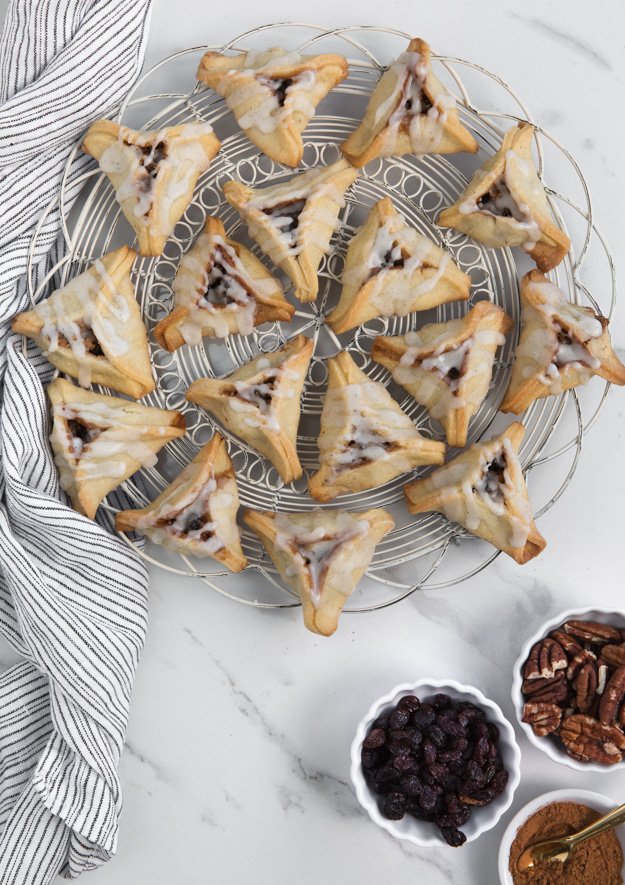
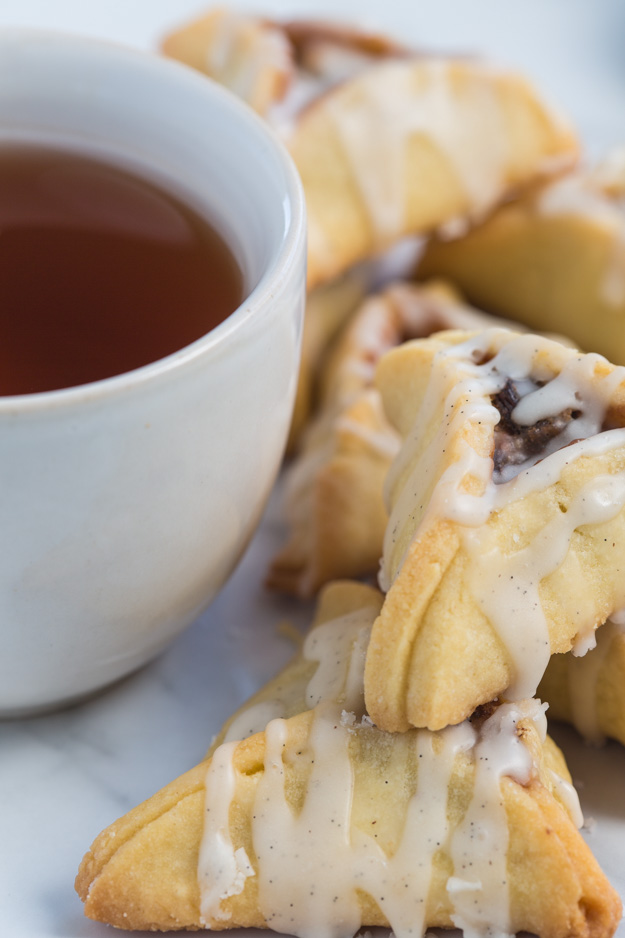
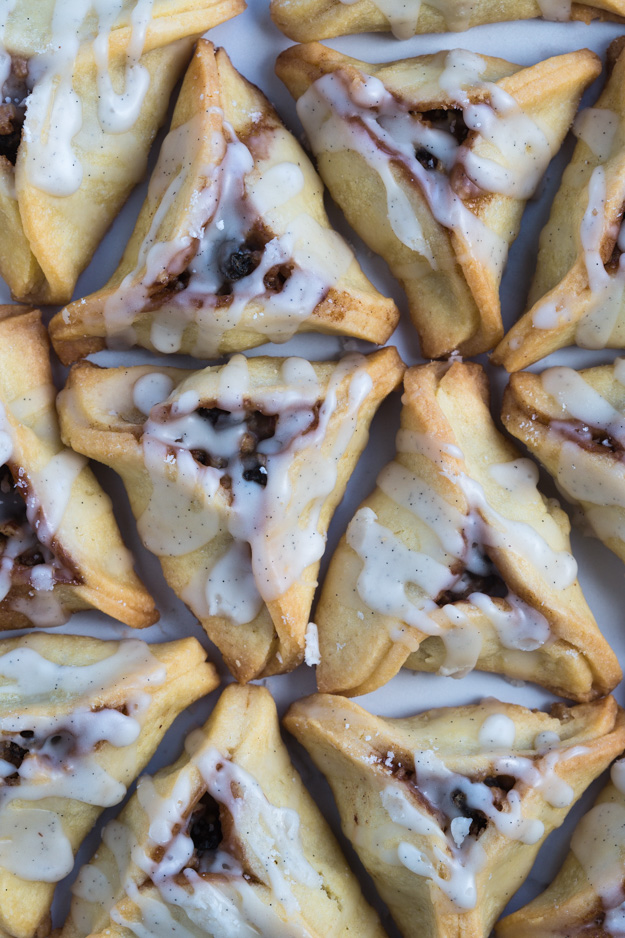
Cinnamon Bun Hamentashen with Almond Shortbread Dough

I first made these hamentashen six years ago. Inspired by cinnamon buns, I stuffed the hamentashen with brown sugar, cinnamon, butter and chopped almonds and pecans. What could be bad about that? I used my Aunt Carol’s traditional oil based dough and once baked, I drizzled them with an icing sugar glaze. They were a big hit.

But then, last year I had a hamentashen epiphany. I discovered Israeli bread baking guru Uri Scheft‘s almond butter shortbread dough . He wrapped up his poppy seed hamentashen with this gorgeous buttery dough. I made them and I was hooked!

I wondered what would happen if I put the cinnamon bun filling into the almond shortbread dough? I mean, I knew it would be good, but I had no idea how seriously good it would be. That chewy cinnamon filling wrapped up in a crumbly cookie dough is off the charts good!

I went a little bit rogue and made the dough with salted butter, given my success with the Salted Butter Skor Shortbread cookies.

Click here to print recipe for Cinnamon Bun Hamentashen with Almond Shortbread Dough.

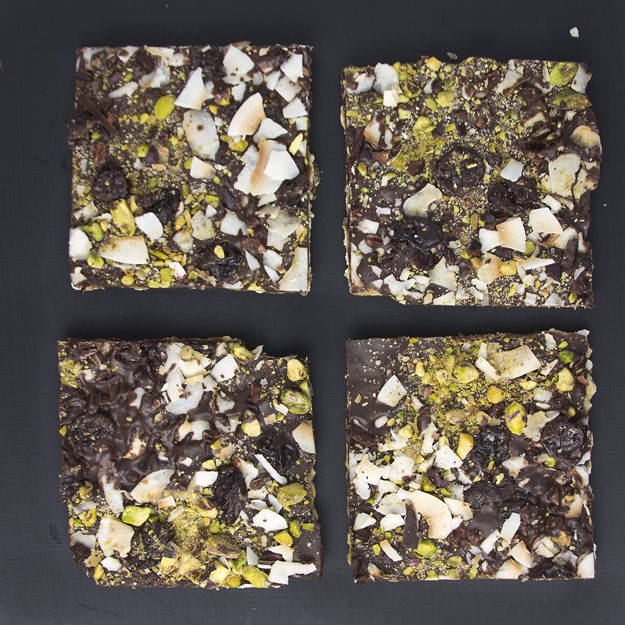
Kicked Up Matzoh Crunch

4 squares 625 sqI read in the Globe and Mail Food section this week that God gave us cardboard so that we could describe the taste of matzoh. Not this matzoh treat!!

I made this for my sister Bonnie. I slightly adapted the recipe from the April 2015 issue of Bon Appetit. This matzoh crunch is kicked up with a pinch of hot pepper. I wanted to make it with Aleppo pepper because she puts that sh#t on everything! Sadly, if you have been following the news, you will know that Aleppo pepper is almost impossible to get now. The civil war in Syria has virtually destroyed the Aleppo pepper production. (Although the scarcity of Aleppo pepper is the least of their problems.) The citizens of Syria are in my thoughts and prayers.

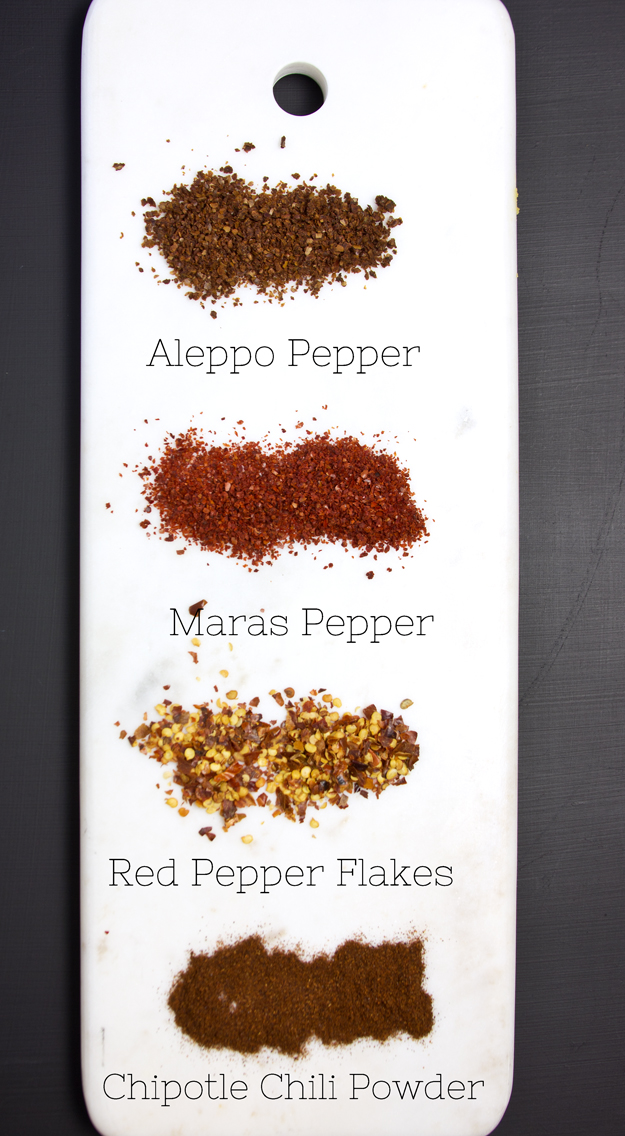
Aleppo is a dried crushed red pepper. It is slightly fruity, with a whiff of smoke and only moderately spicy. I actually found a forgotten tin of it at the back of my cupboard. Not sure how long it’s been there but it has lost most of it’s potency.

I decided to make a few batches of this treat using a variety of peppers and compare the results.
peppers
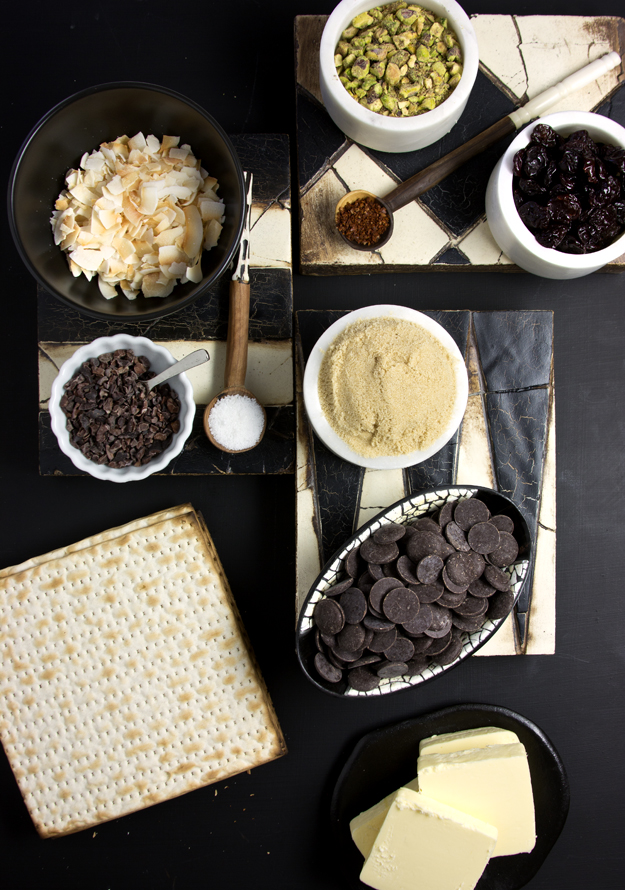
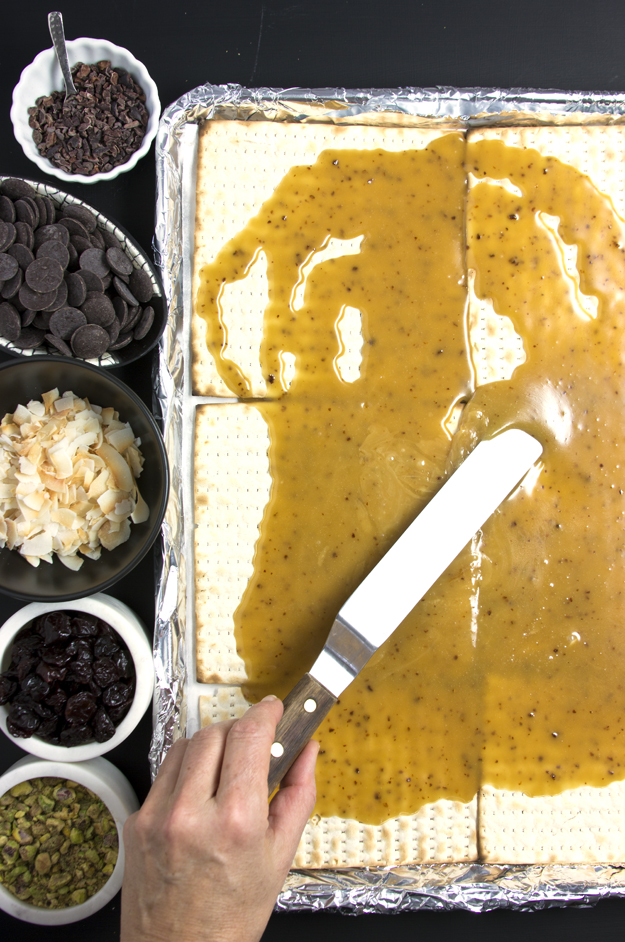
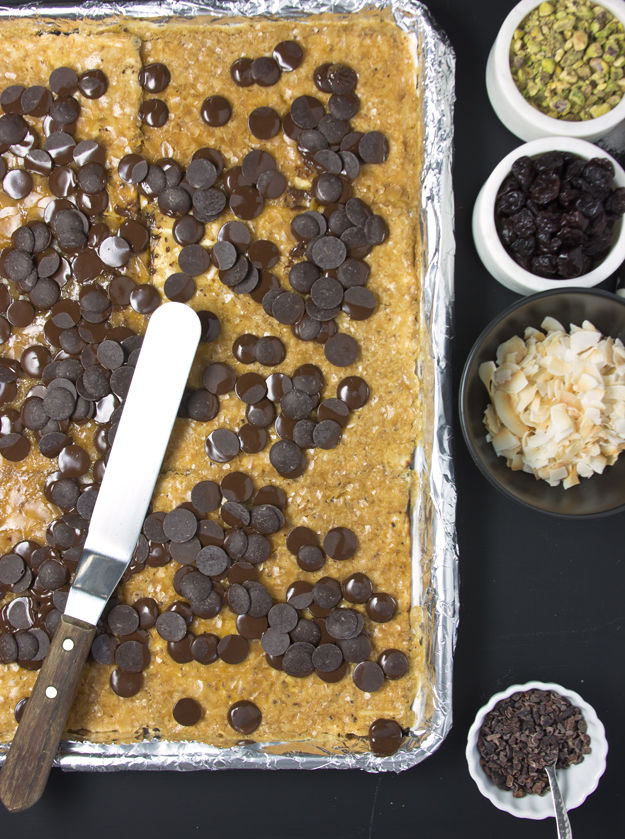
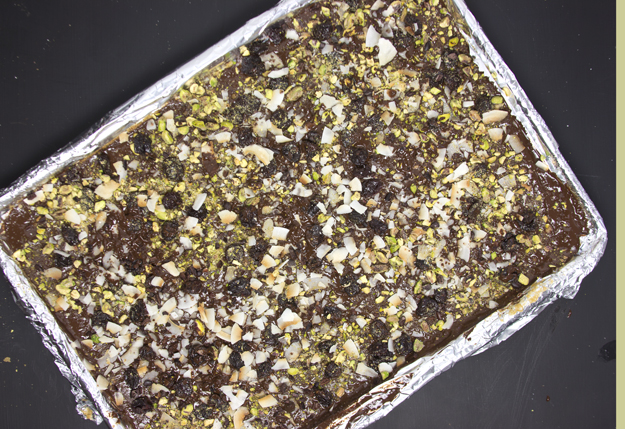
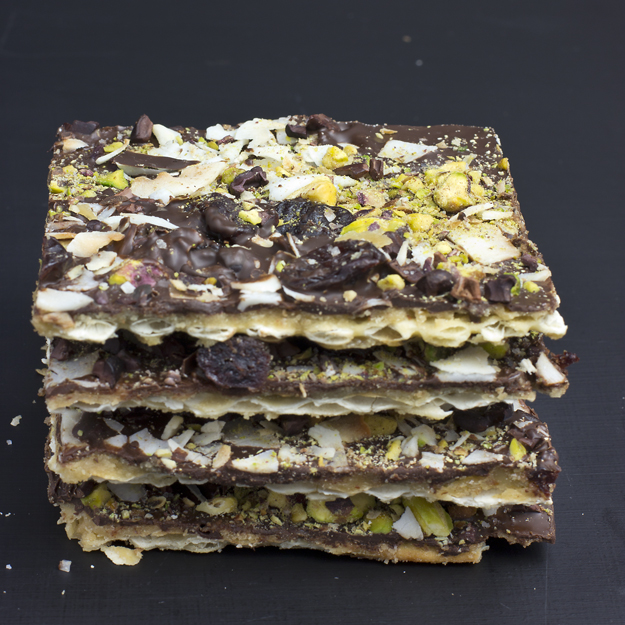
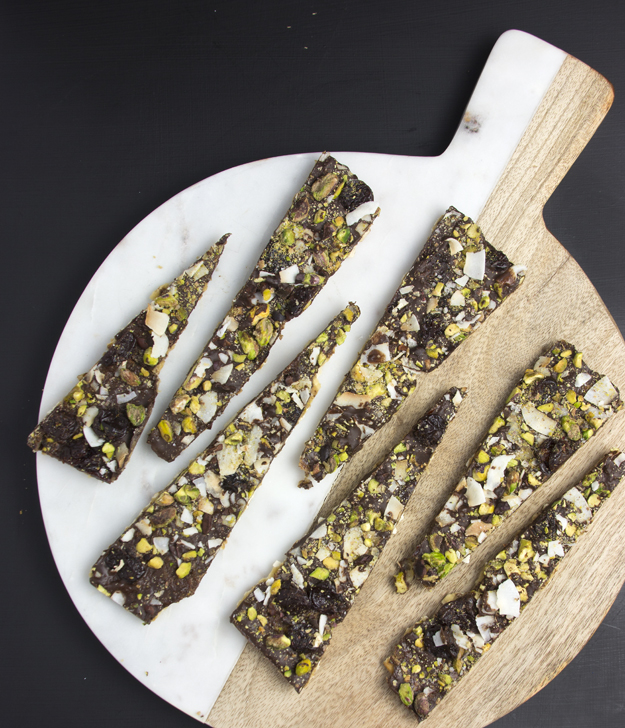
Maras pepper (sometimes spelled Marash), from Turkey, is a good substitute for Aleppo. It is slightly smokier and hotter. I made a third batch with supermarket red pepper flakes and one final batch with chipotle powder, because that’s my jam!what you'll needBrown sugar, butter and your chill pepper of choice get whisked together over moderate heat until hot and bubbly. Pour over matzoh and spread into an even layer. spreading toffee Bake toffee covered matzoh for about 10 minutes. Top hot matzoh with bittersweet or semi sweet chocolate chips and let sit until they melt. Spread chocolate until smooth.waiting for chocolate to meltTop with toasted chopped pistachios, dried cherries, toasted coconut flakes, coarse salt and cocoa nibs.ready to chillChill and cut into squares.stacked squares 625 sqOr cut into wedges. Any way you slice it, it’s delicious.wedges of crunchThe batches I made with the Aleppo and Maras were not very spicy. The heat was barely noticeable even though I doubled the amount of pepper recomended in the Bon Appetit recipe (I used 1 teaspoon instead of 1/2 teaspoon). The red pepper flakes batch had obvious but not burning heat. It was my favourite. The chipotle was too smoky for my liking. This matzoh crunch is a flavour bomb in your mouth. Sweet (chocolate), salty (coarse salt and pistachios), sour (cherries), bitter (cocoa nibs), spicy and crunchy.

Click here to print recipe for Kicked Up Matzoh Crunch.

Cookie Butter Rugelach

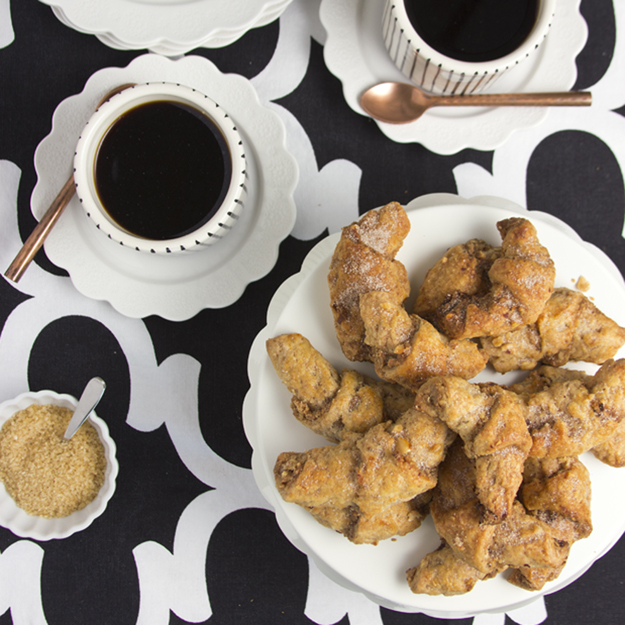
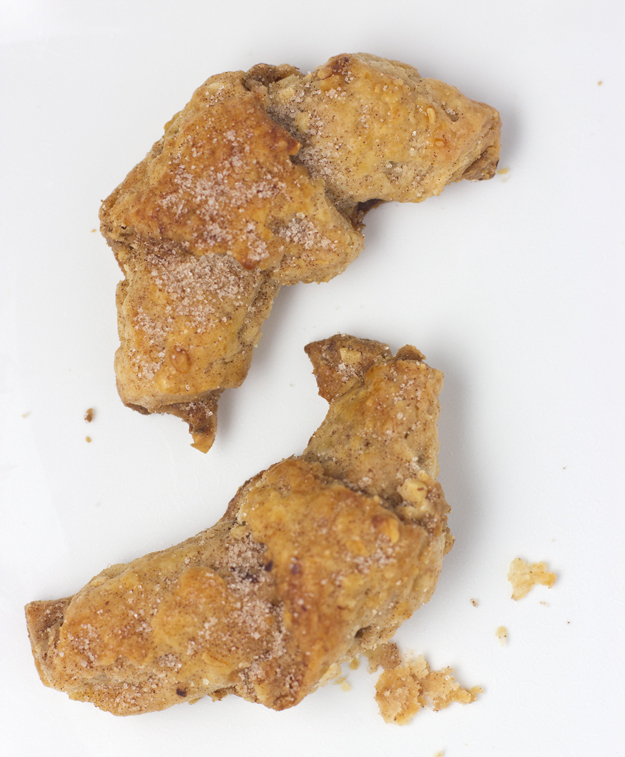
If the title of this post has left you shaking your head, wondering what the heck I am writing about, let me enlighten you.coffee and rugelach 625 sqI wrote about cookie butter last year. It is also known as Speculoos or Biscoff spread. Basically, we are talking about ground up spicy gingerbread cookies, mixed with additional sugar and oil, to create, a somewhat addictive spread, in the vein of peanut butter and Nutella.

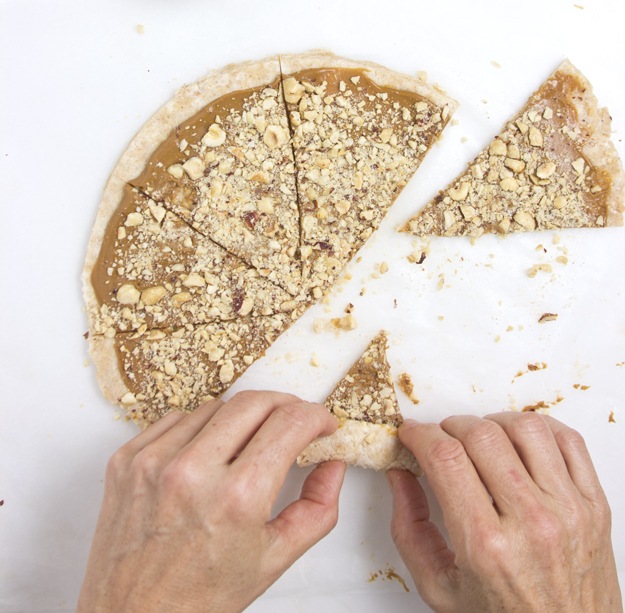
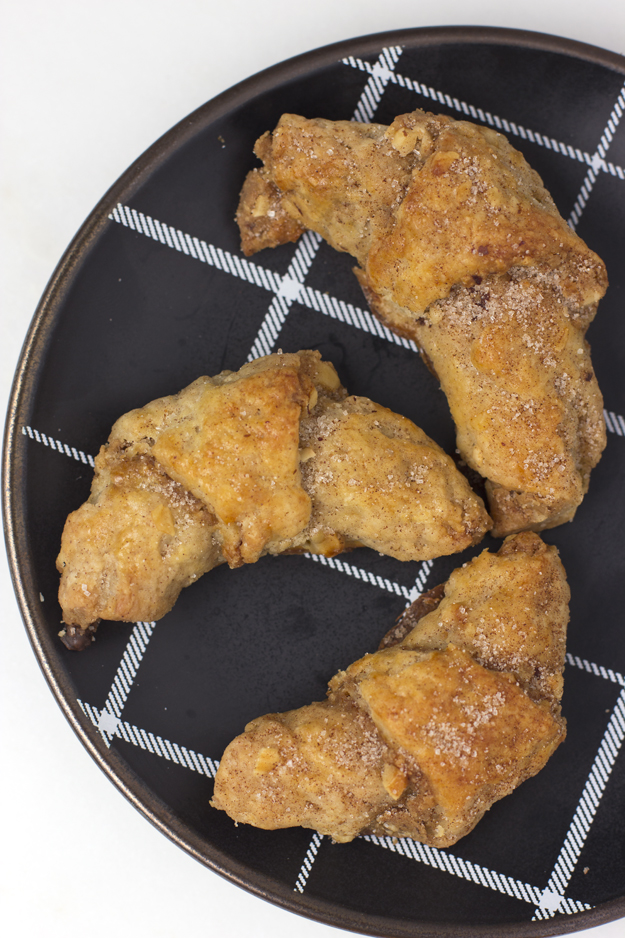
Rugelach is a small Jewish pastry, of Eastern European origin. Traditionally they are made in the form of a crescent by rolling a triangle of dough around a filling. The origin of the name comes from the Polish word “Rog” which is the prefix for horn, (croissant shaped pastries kind of look like horns). “El” is used as a diminutive and the “Ach” ending indicates plural. So put together we have horn shaped little pastries –Rugelach.hazelnutsHow this little cookie came to be made in a crescent shape is an interesting story. I have read several versions, but this is my favourite. In the 16th Century, the Jews were living under the rule of the brutal Ottoman Empire. Life was not easy for them. A baker with a warped sense of humour, decided to create little pastries, shaped like the crescent that decorated the Ottoman war flags. With every bite of these delicious little noshes, the Jews imagined that they were “chewing out” their merciless oppressors.

Back in Europe, the dough for rugelach is light, airy and yeast raised. Somehow, when it arrived in North America, it transformed into a dense cream cheese based dough. This is the rugelach I grew up with and love. Rich and flaky, but not too sweet, the best rugelach let the dough be the star and the fillings play a supporting role.

Most often they are filled with jam, cinnamon-sugar, raisins and nuts. Often chocolate is thrown into the mix. Screwing with a 500 year old cookie could be a dangerous thing, but I like to live on the edge, so I played around with the traditional recipe and spread mine with Cookie Butter instead of jam.

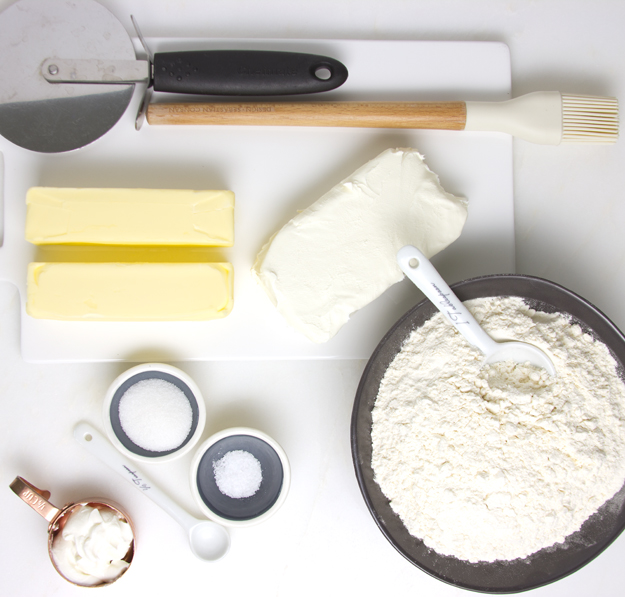
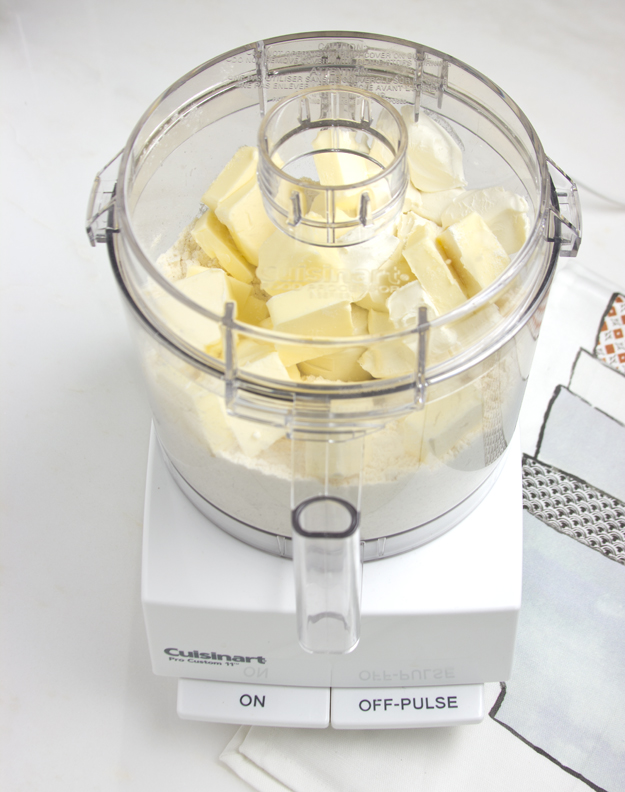
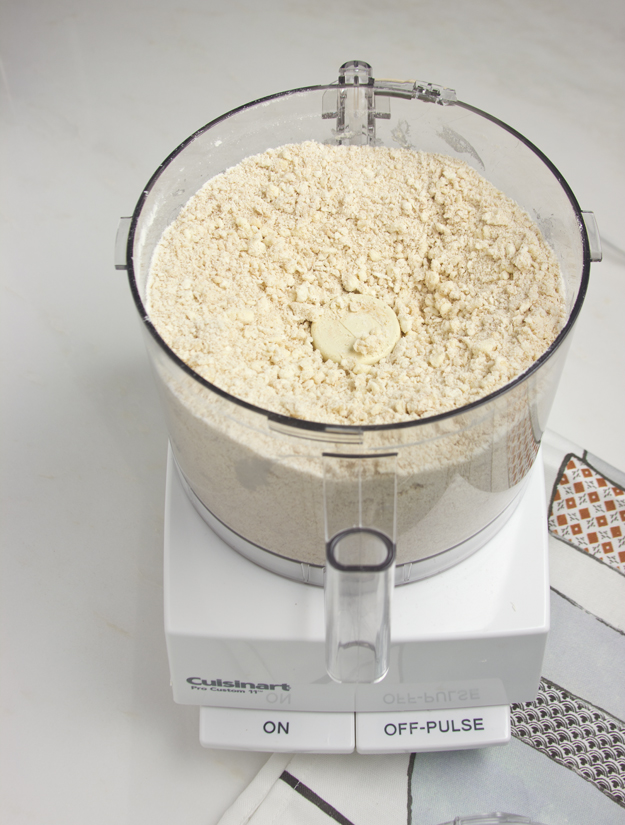
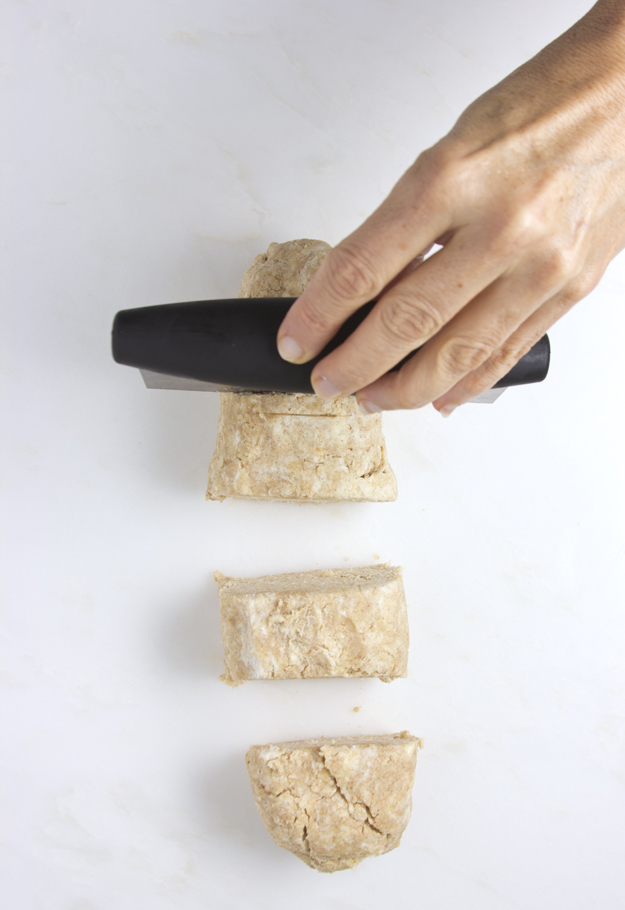
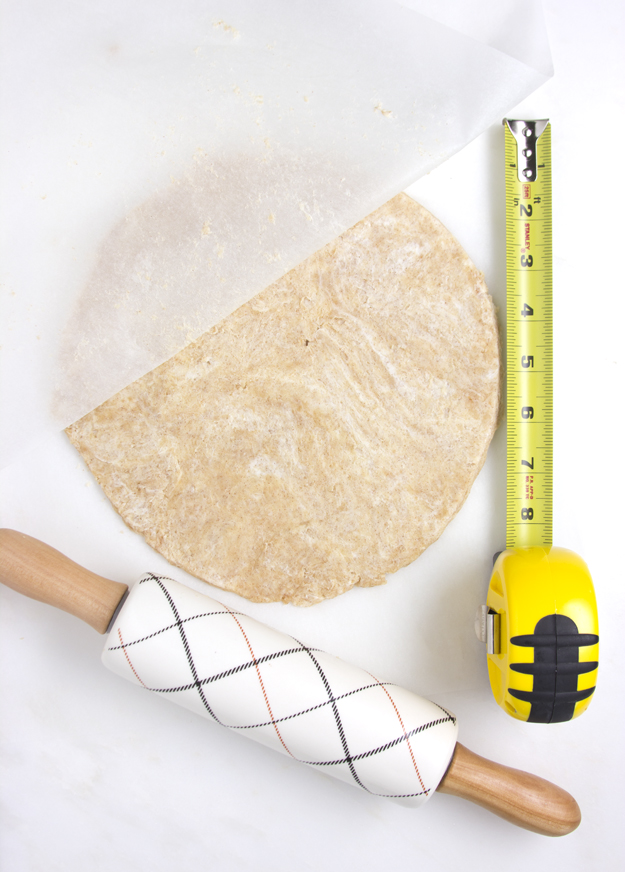
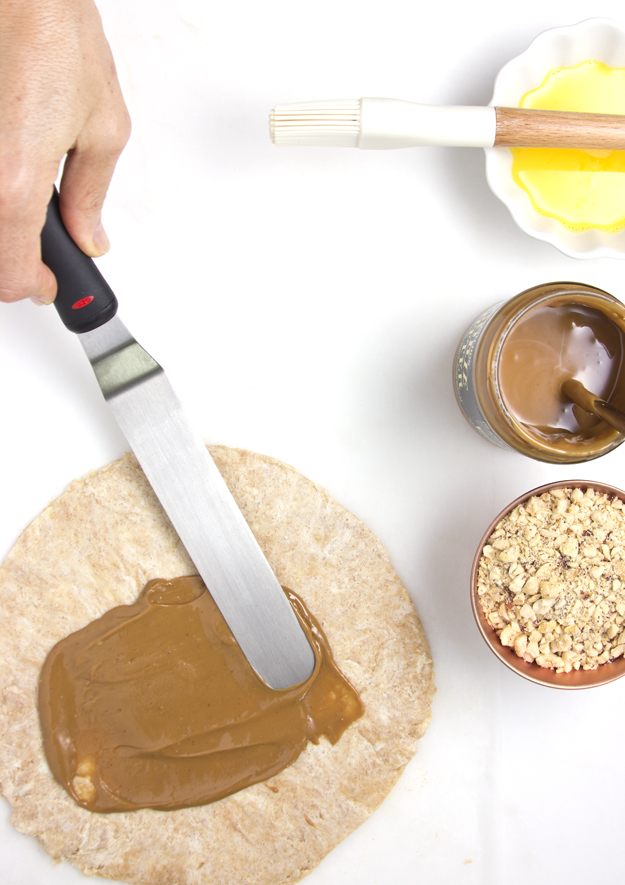
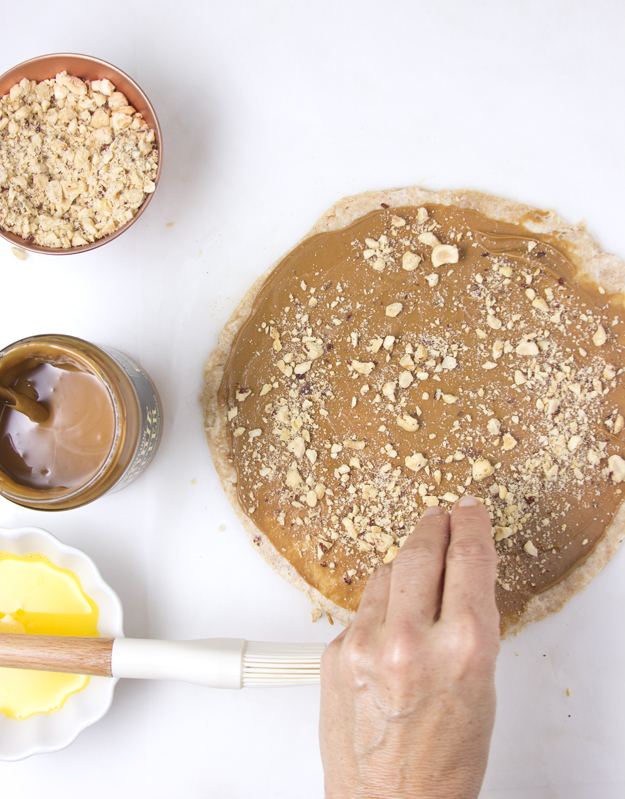
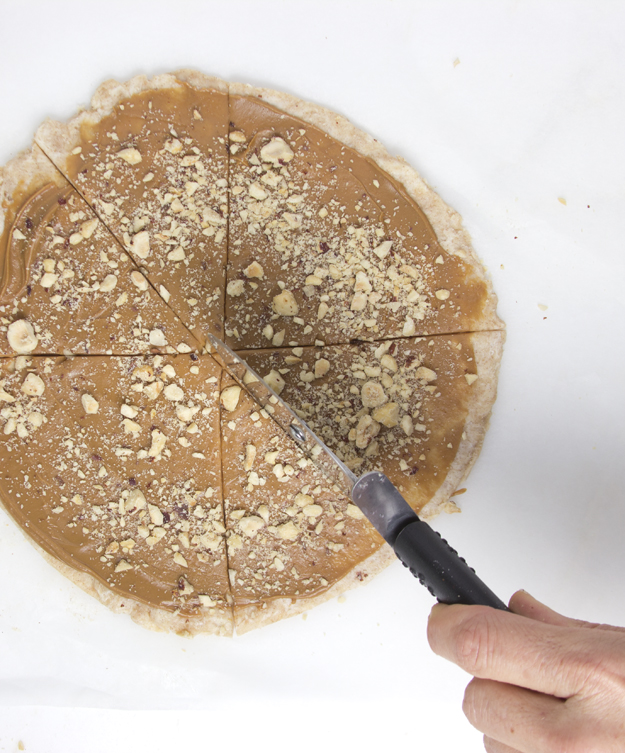
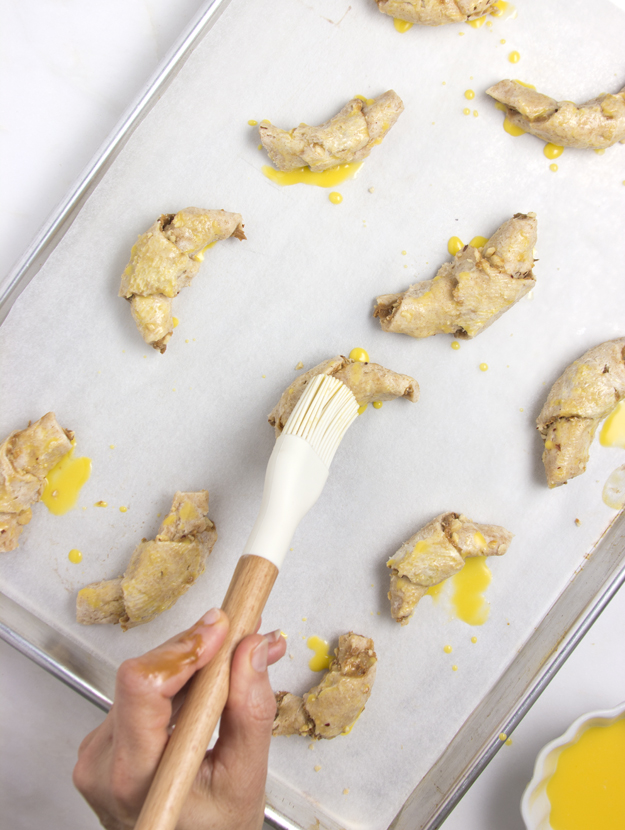
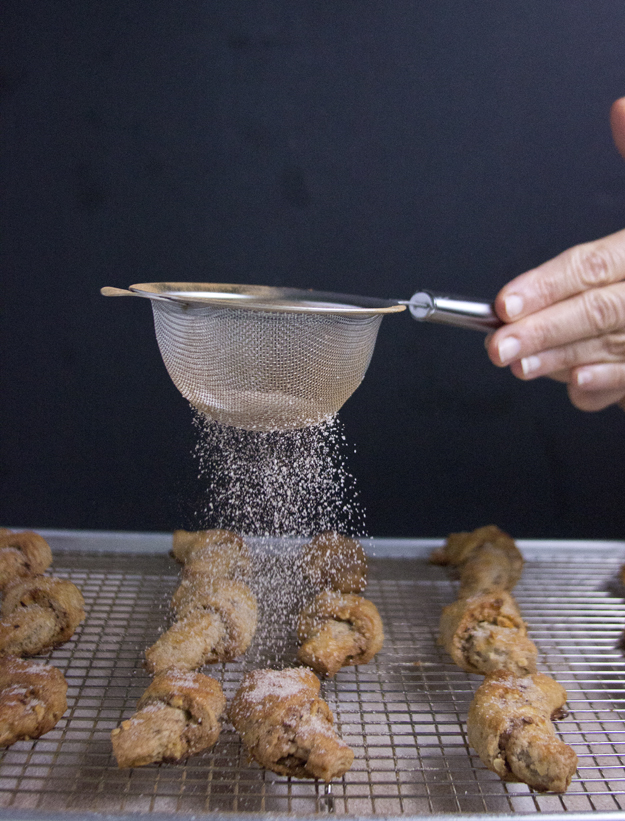
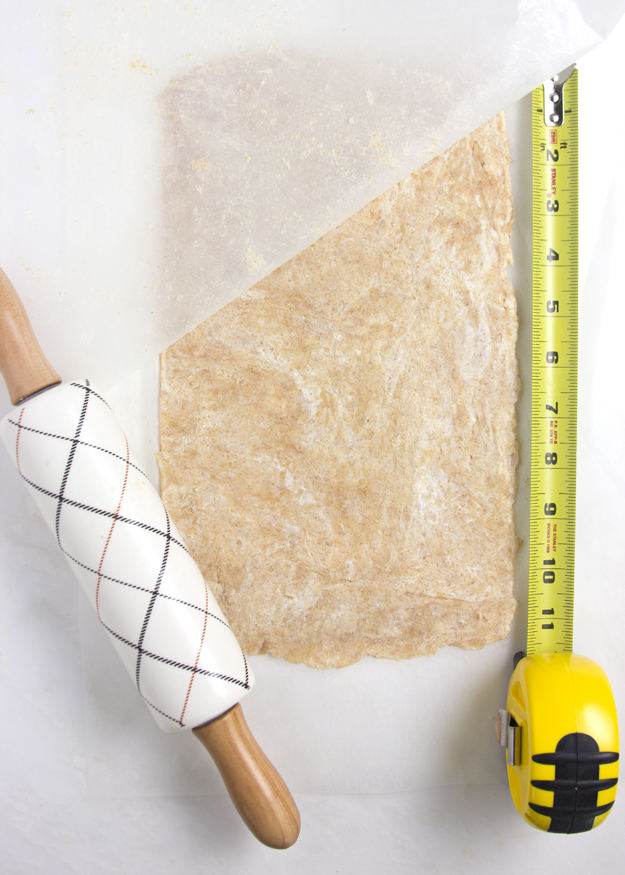
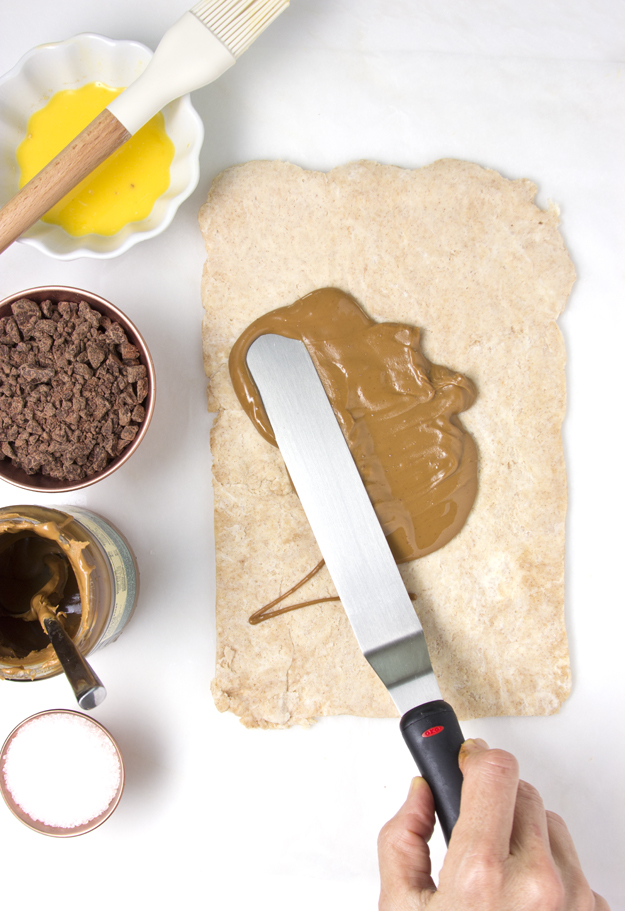
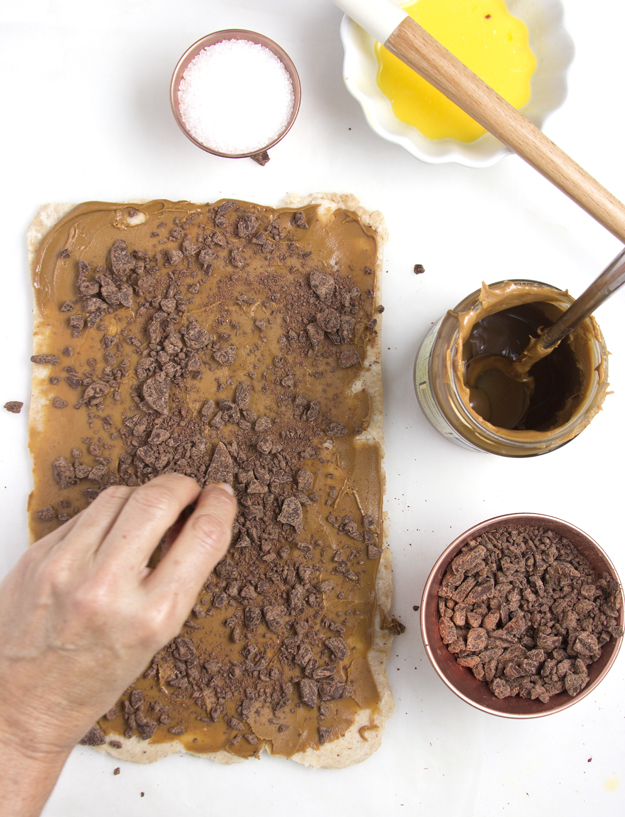
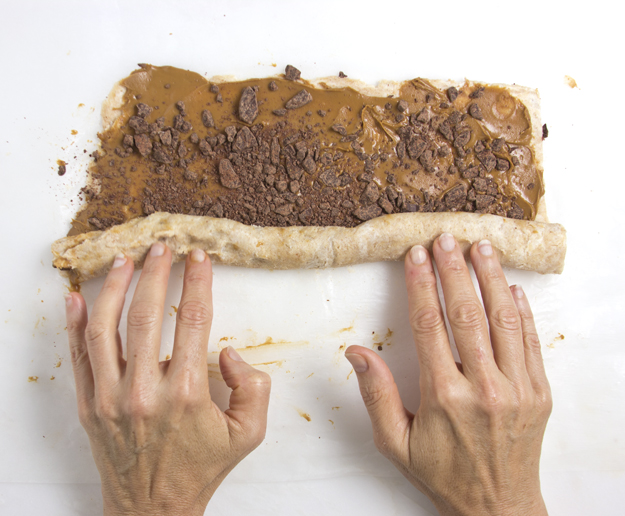
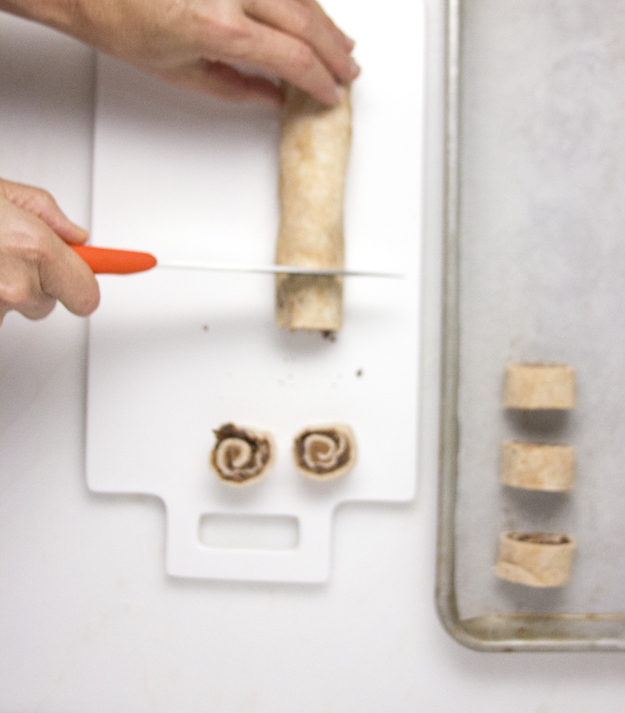
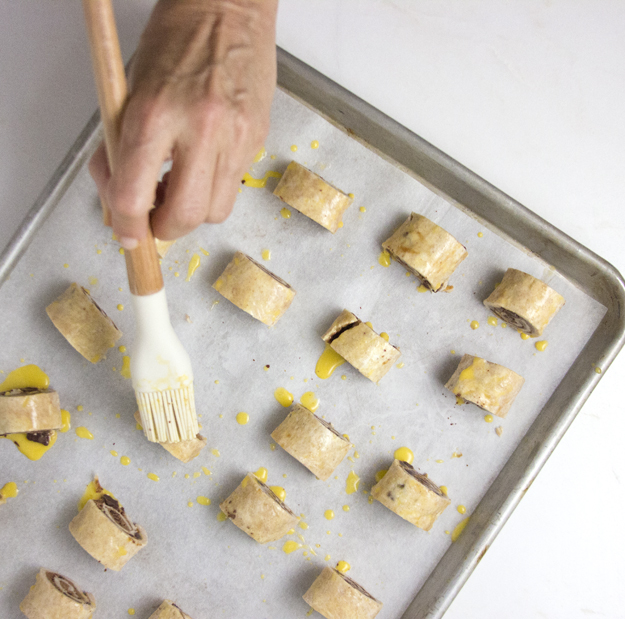
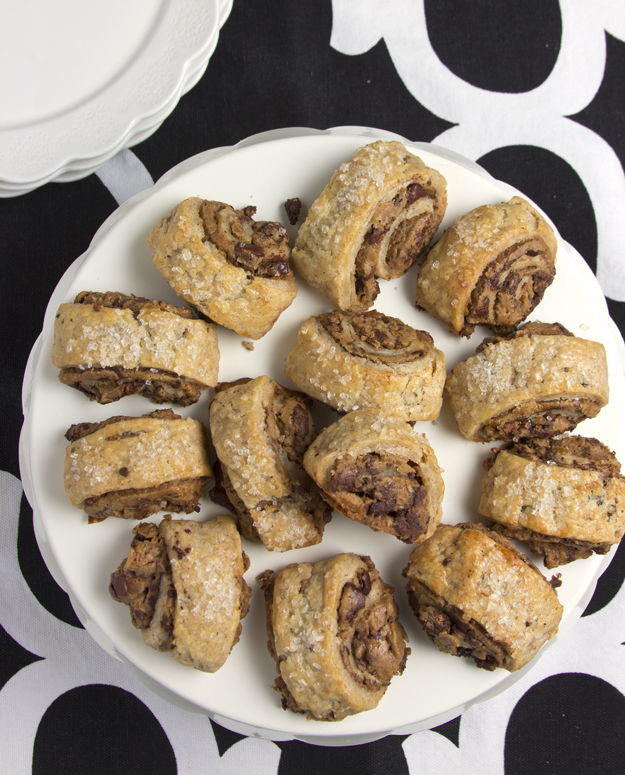
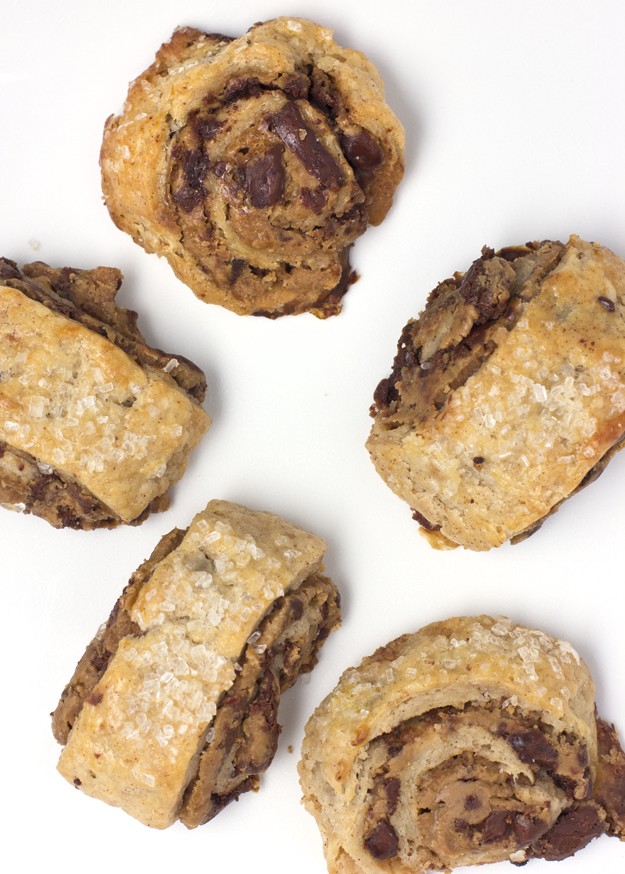
The dough is simple to put together. I used the recipe from Cook’s Illustrated for the dough, with the addition of some cinnamon and ground ginger to mimic the gingerbread flavour of the cookie butter. The butter and cream cheese must be very cold.dough ingredientsmaking dough 1Only process the dough until it resembles small curd cottage cheese. Don’t let the processor form the dough into a ball, or you will have tough rugelach. pulsed doughdivide dough into 48.5 inch circleI decided to make two varieties. The first, shaped in the traditional crescent, featured Cookie Butter and toasted chopped hazelnuts.spreading cookie butter on circlesprinkling hazelnutscutting into wedgesrolling crescentsbrushing with eggThese got treated to a shower of cinnamon sugar as soon as they came out of the oven. dust with cinnamon sugarFor the second variation I created little roulades. The dough was rolled into a rectangle, filled with cookie butter and chopped chocolate, and rolled and sliced, before baking. 11 x 7 inch rectanglespreading cookie butter on rectanglesprinkling chocolaterolling rouladeslicing roulades

brushing roulades with eggCB and chocolate roulades

Click here to print recipe for Cookie Butter and Hazelnut Rugelach.

3 rugelach

Click here to print recipe for Cookie Butter and Chocolate Rugelach Roulades.

Roulades