Tag Archives: Jewish Holidays

What I’m Making for Rosh Hashanah This Year.

If you came to my house for Rosh Hashanah this year, this is what I’d make you. There would be chicken soup, obviously, plenty of apples and honey, a gorgeous pomegranate chicken and more than one apple dessert—because apparently I have no restraint where apple desserts are concerned.

Most of these recipes have appeared on the blog over the years, but I’ve never gathered them together into one complete Rosh Hashanah menu. So here it is: everything I’d put on the table, from the challah right through to dessert.

THE MENU

Twisted Apple Honey Challah
Chicken Soup
Pomegranate Chicken
Tomato Nectarine Corn Salad
Perfect Green Salad
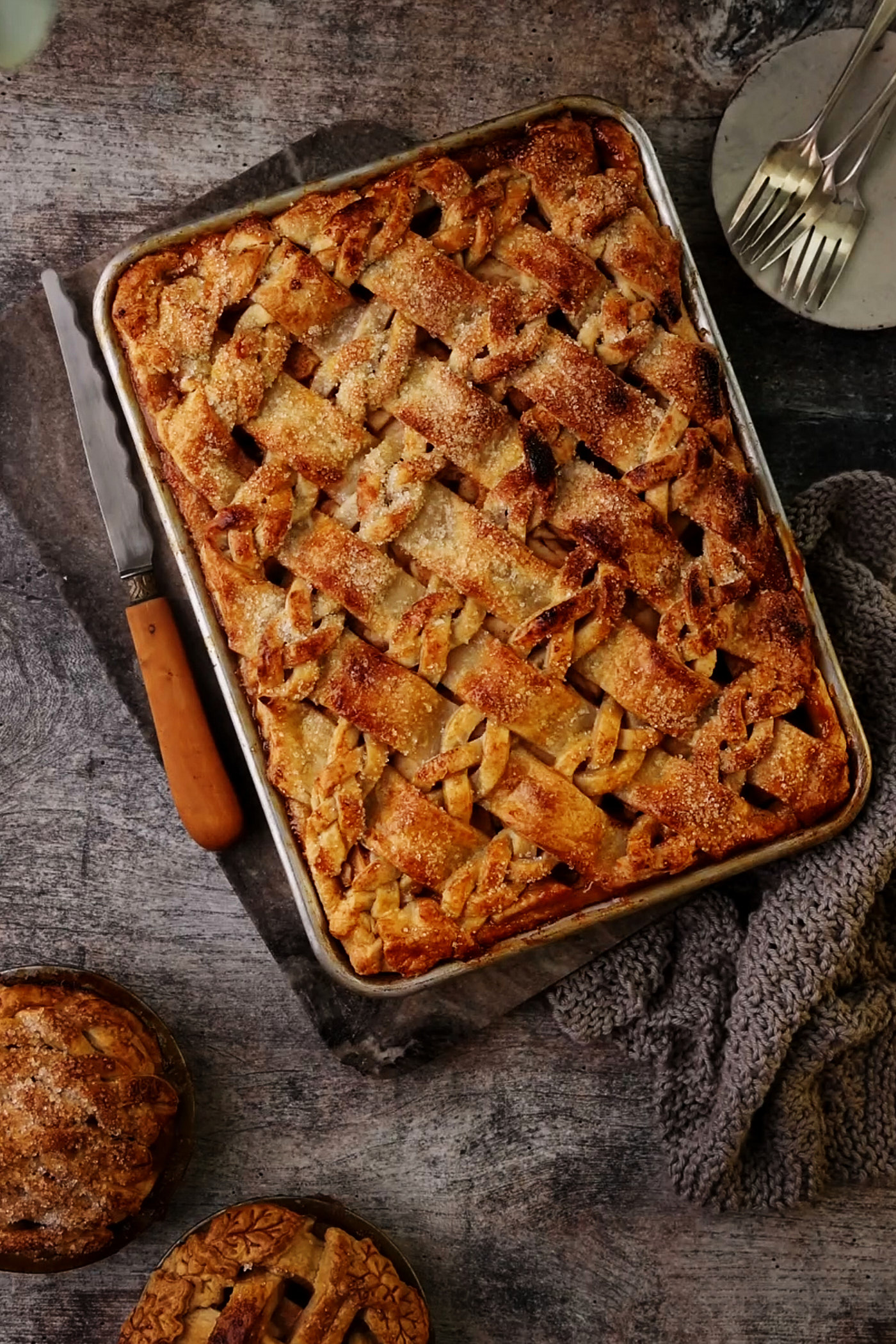
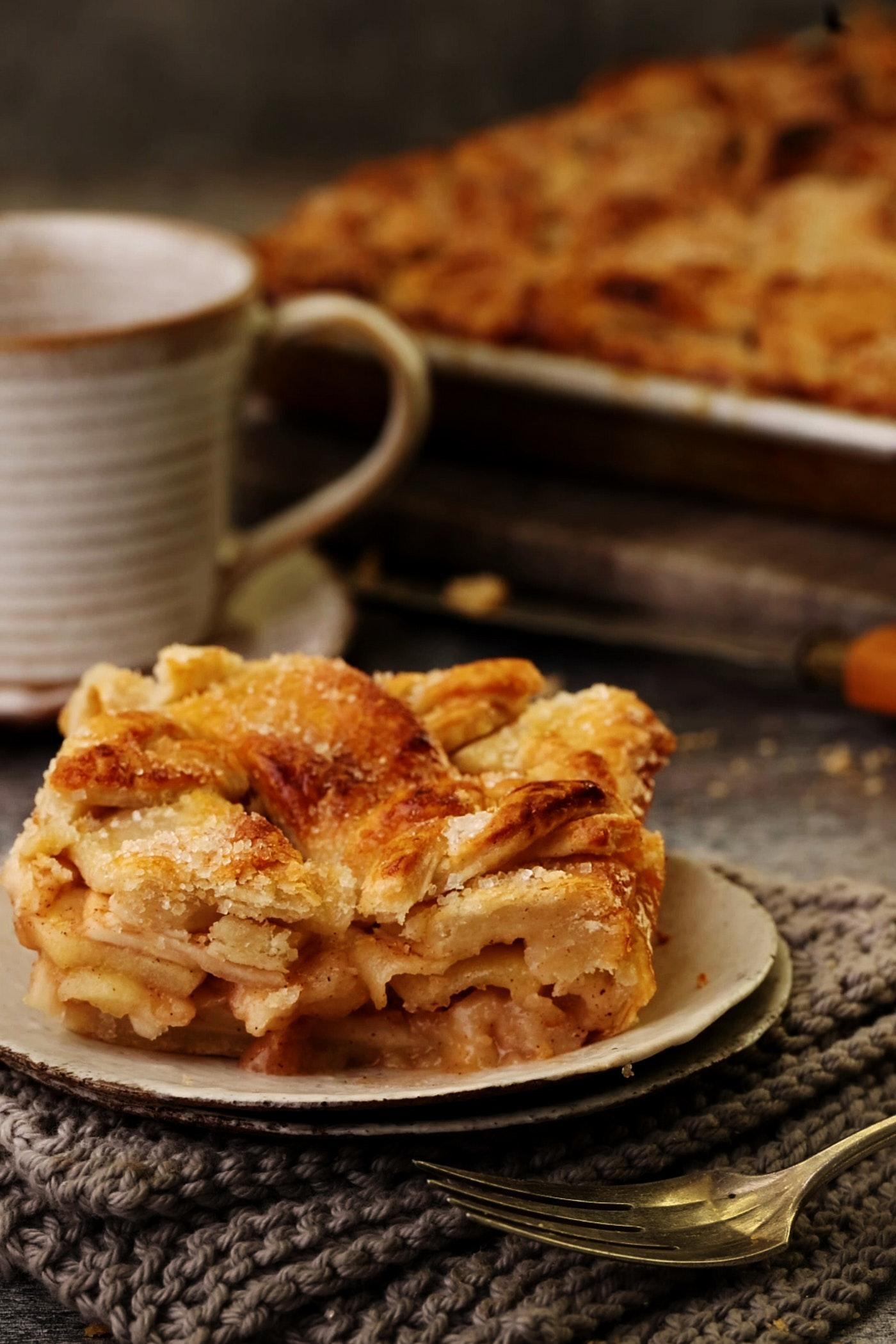
Apple Slab Pie
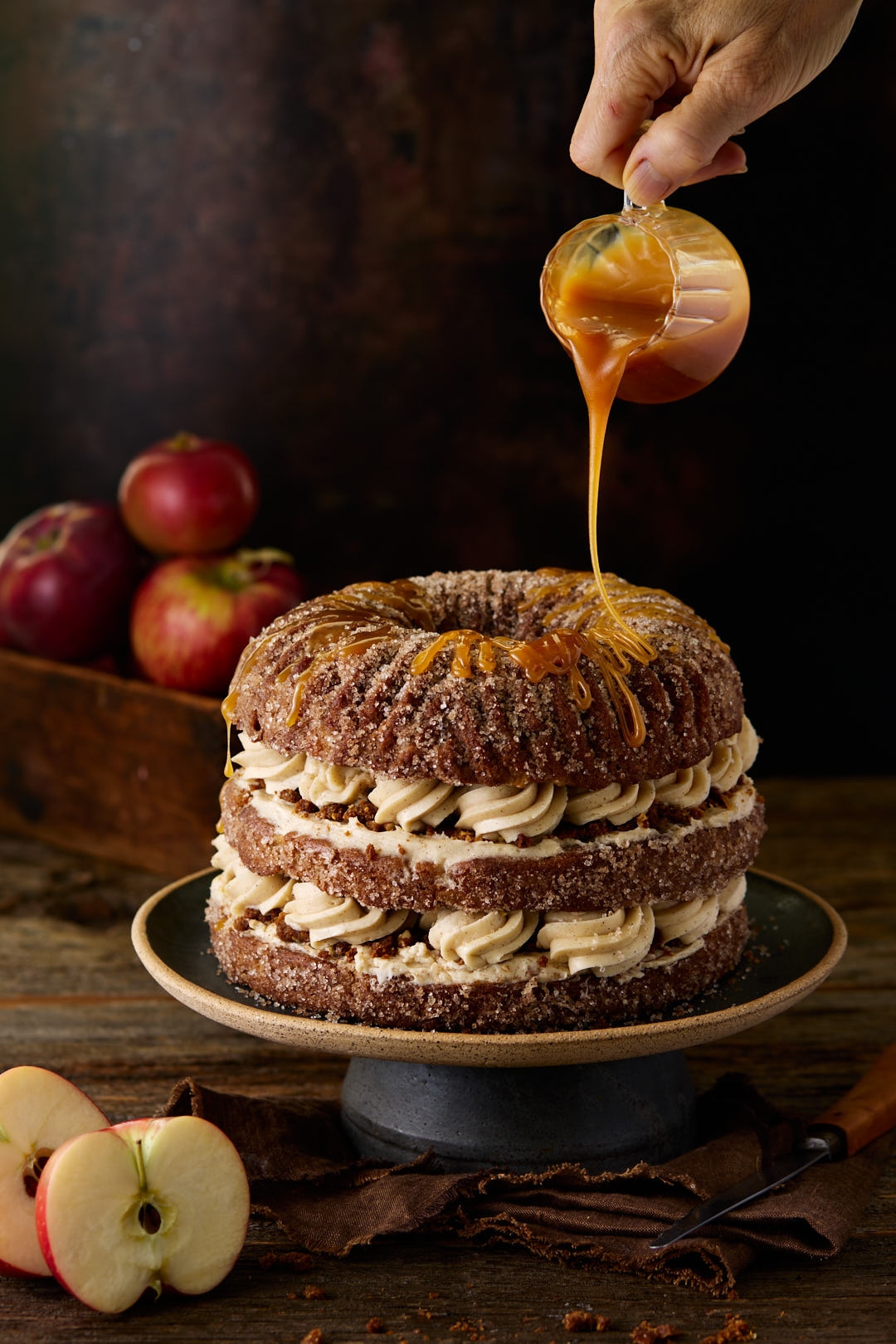
Apple Cinnamon Crunch Cake
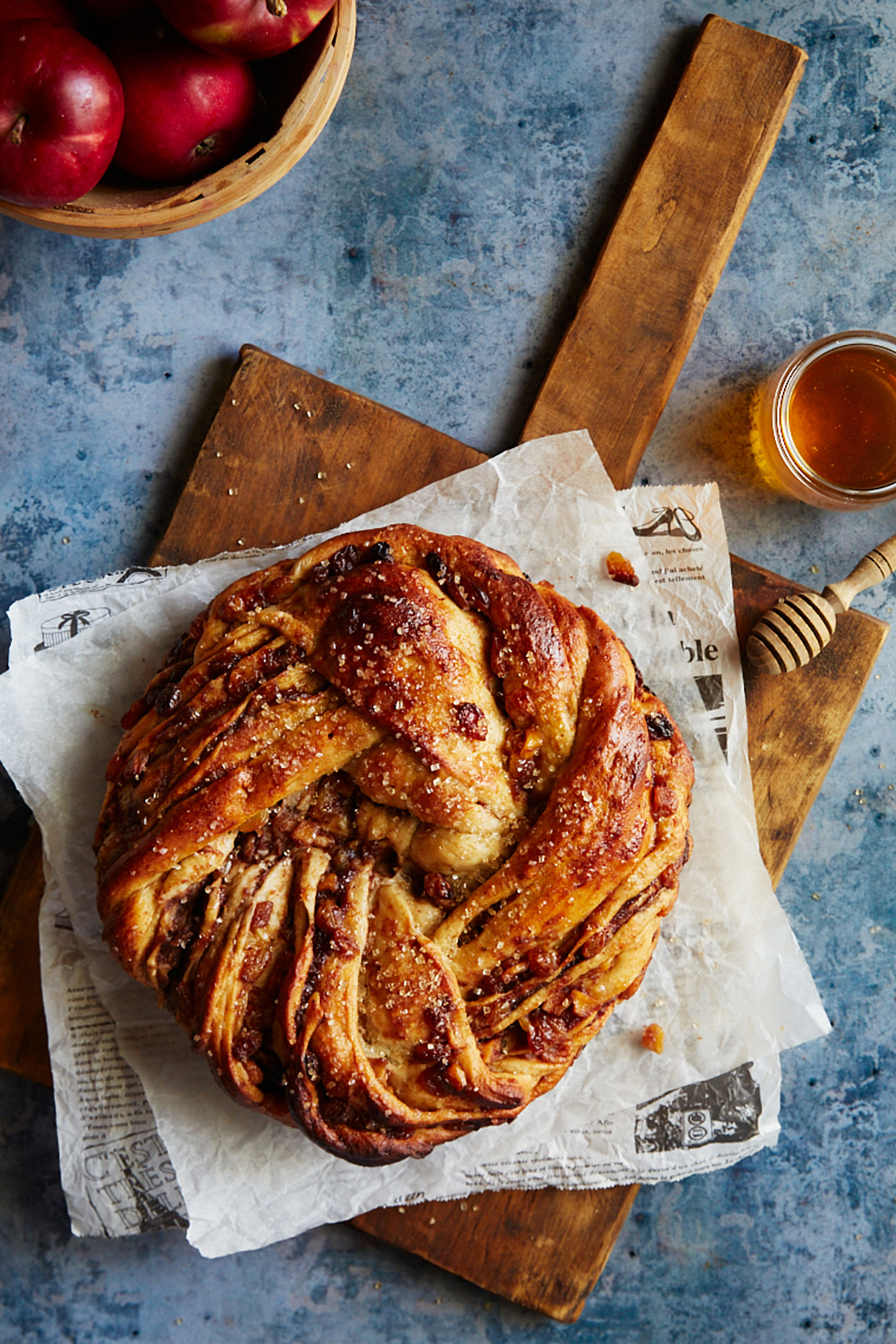
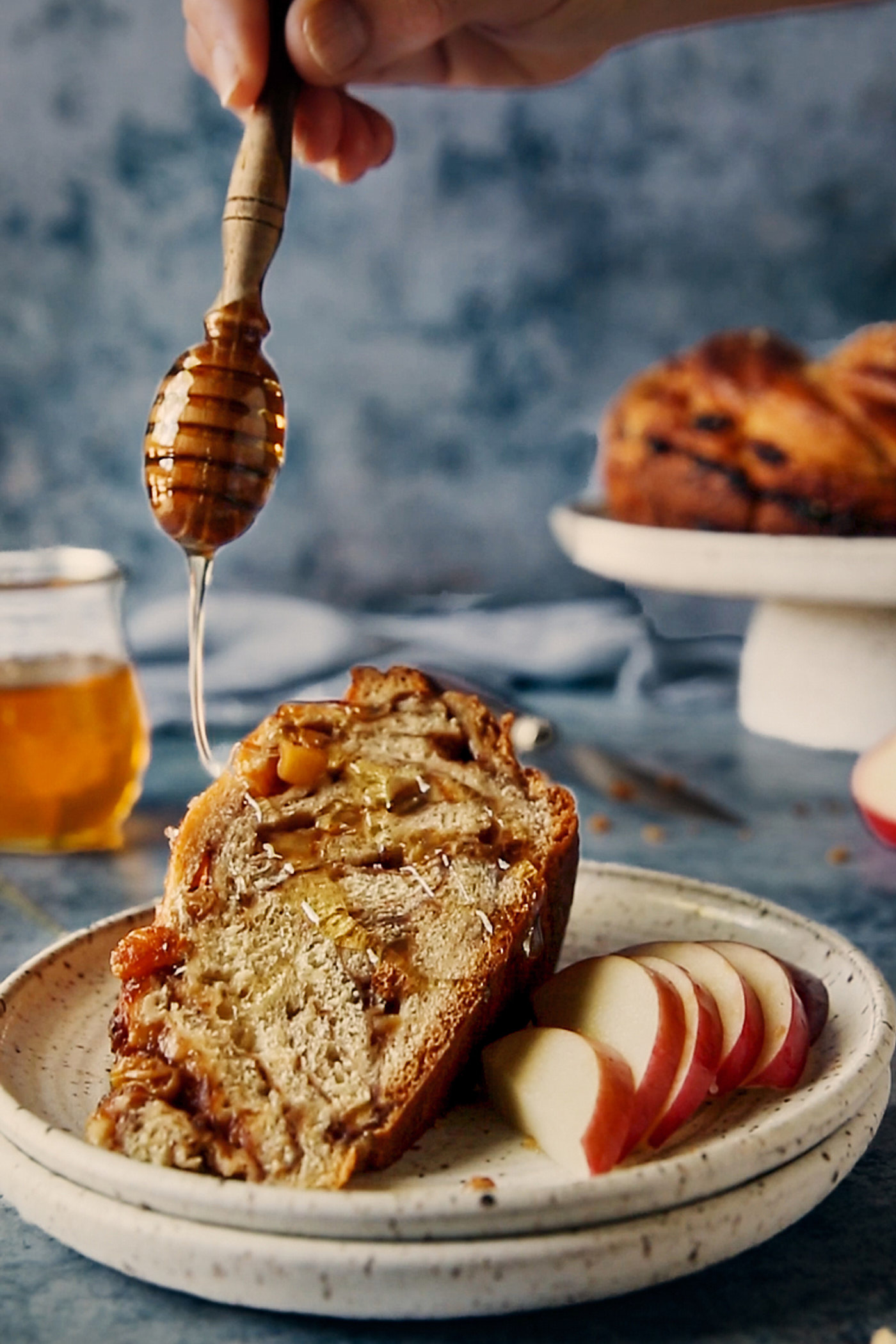
We’d start with a Twisted Apple and Honey Challah. It’s traditional to shape challah into a circle for the Jewish New Year, symbolizing our wish for a year in which life and blessings continue without end. This round beauty is stuffed with sautéed apples, brown sugar and apple butter, then drizzled with honey. This year, more than ever, I’m wishing for a little extra sweetness for all of us.
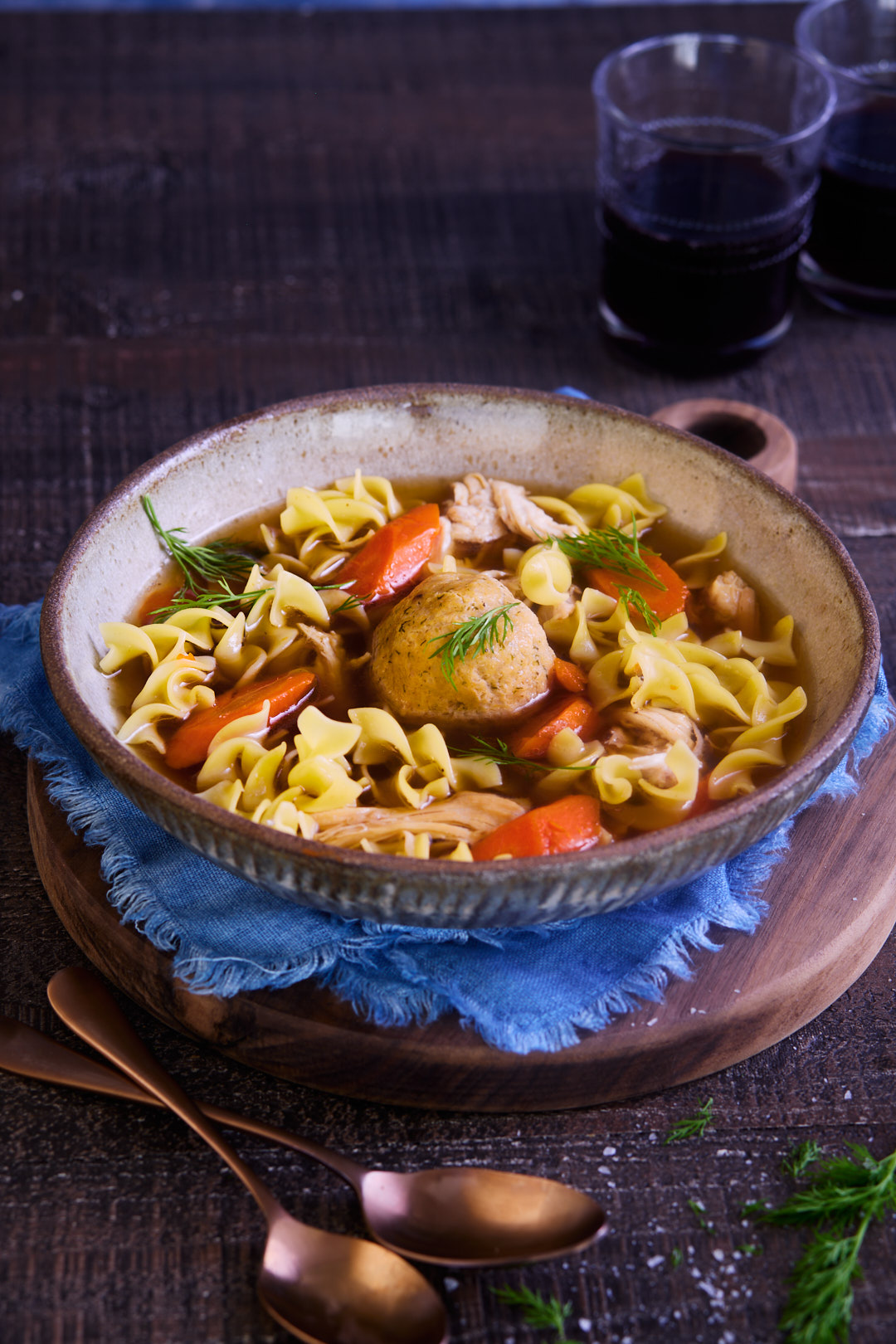
Obviously, we must have Chicken Soup. But watery, insipid chicken soup? No thanks. Mine starts with a deeply roasted chicken stock, which gives it incredible depth and richness. And it’s the perfect make-ahead dish—one less thing to think about on the day of your dinner.
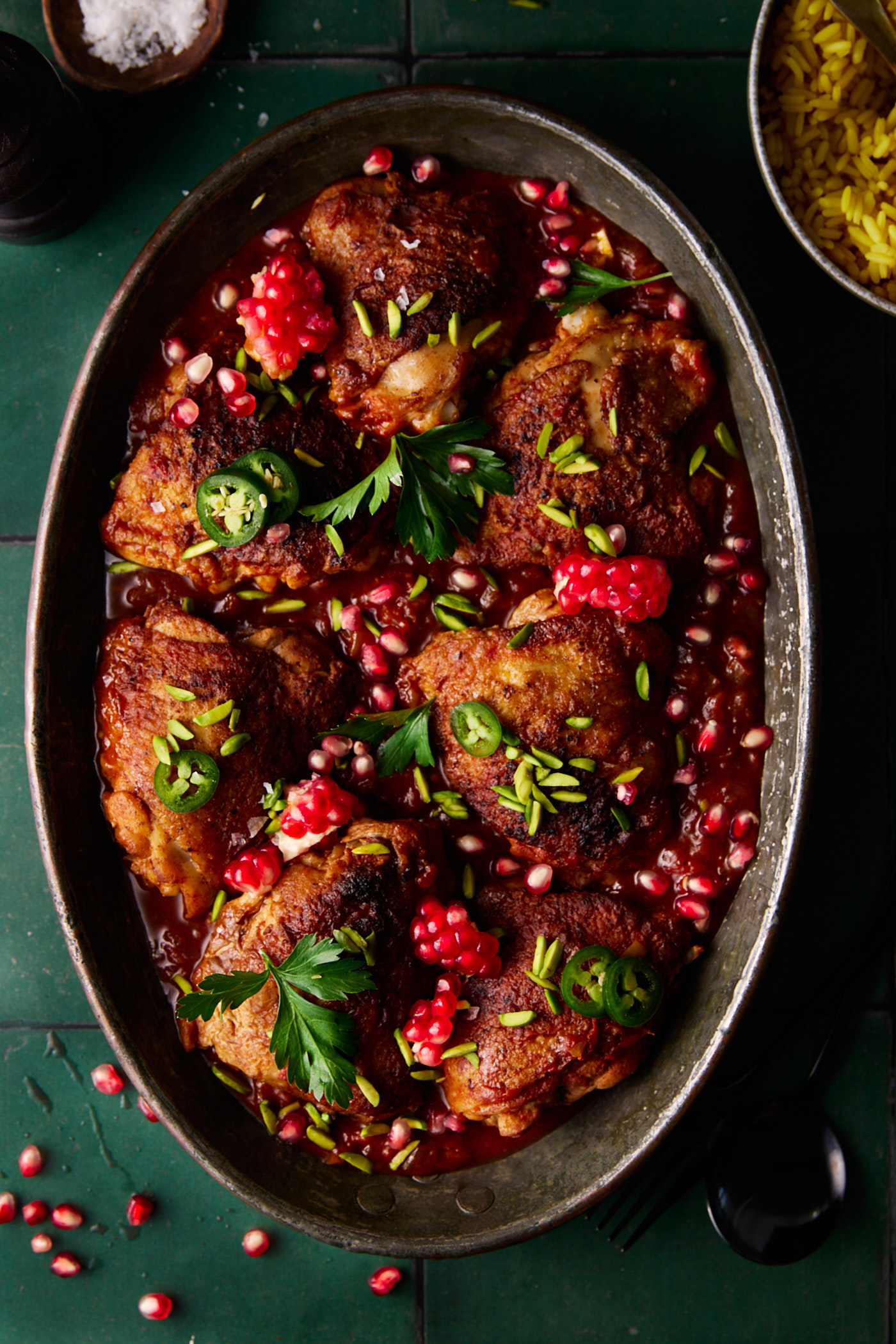
Pomegranates and Rosh Hashanah just belong together. Their abundance of seeds symbolizes our hope for a year filled with good deeds. There’s even an old belief that every pomegranate contains exactly 613 seeds, corresponding to the 613 mitzvot, or commandments, in the Torah—many of which guide us to perform acts of kindness and good deeds. That turns out to be more folklore than fact, but I’m not letting the truth ruin a perfectly good story. So Pomegranate Chicken feels especially fitting for the holiday table. And those ruby-red seeds make it pretty spectacular too.
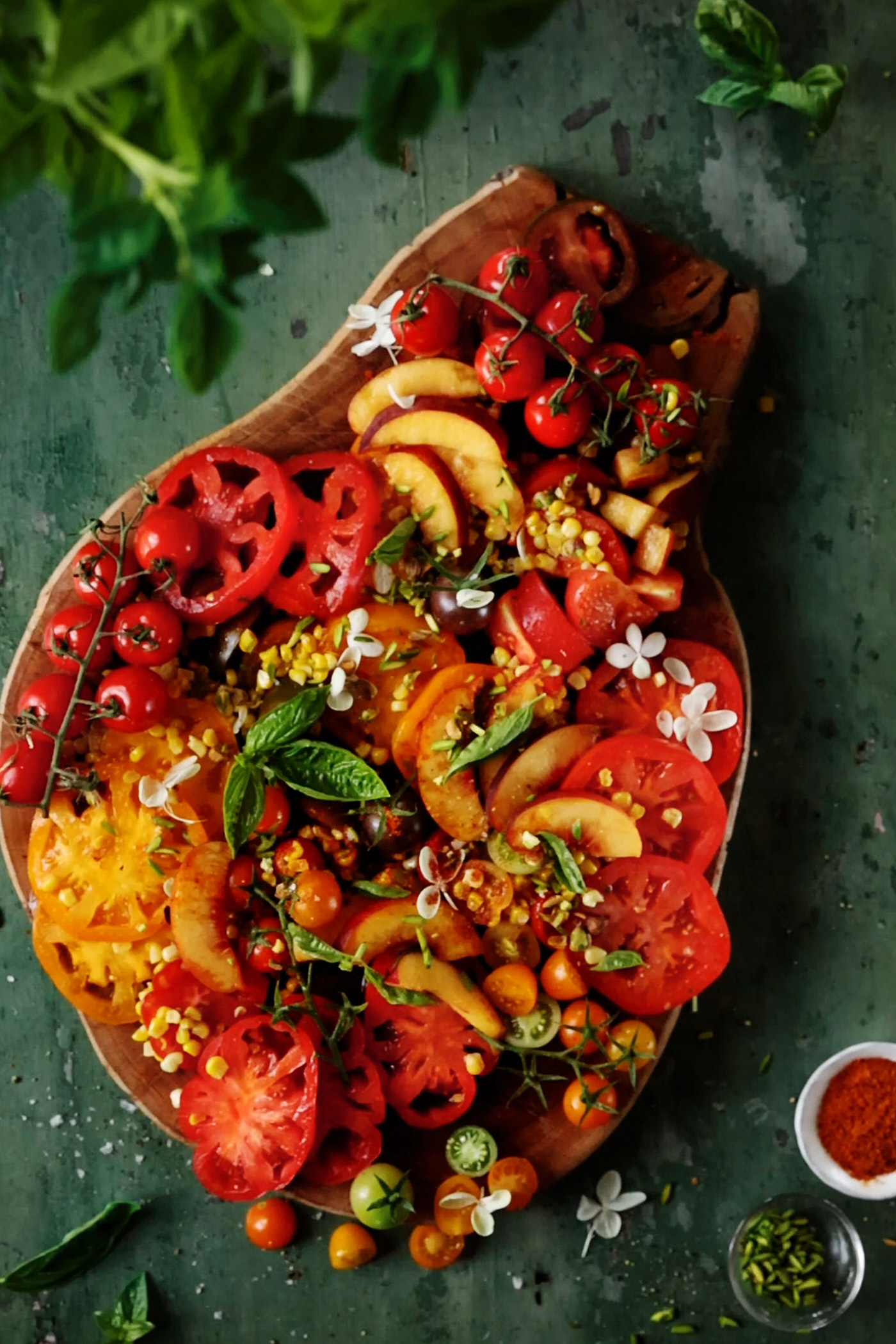
Rosh Hashanah falls so early this year! Have you ever noticed that the Jewish holidays always seem to be either early or late, but never actually on time? That’s because the Jewish calendar follows the lunar cycle. This year, the upside of an early Rosh Hashanah is that tomatoes, nectarines and corn are still abundant at the market. So let’s lean into the season with this Tomato, Nectarine and Corn Salad.
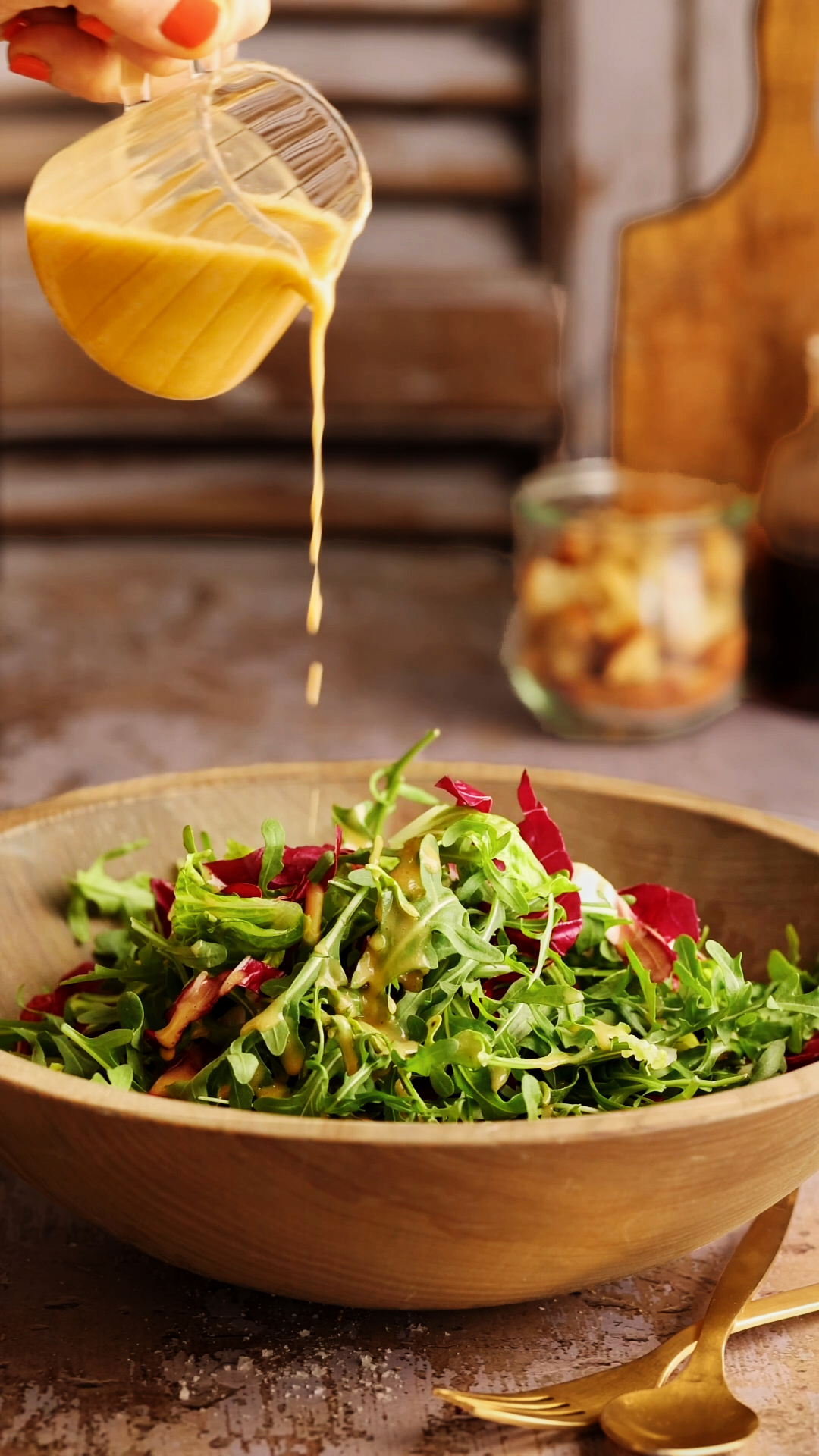
This is the Perfect Green Salad I eat almost every day—a mix of sweet romaine, bitter radicchio and peppery arugula, tossed in a tangy sherry vinaigrette. I firmly believe every big feast needs a green salad. With all that rich food on the table, your palate needs it.
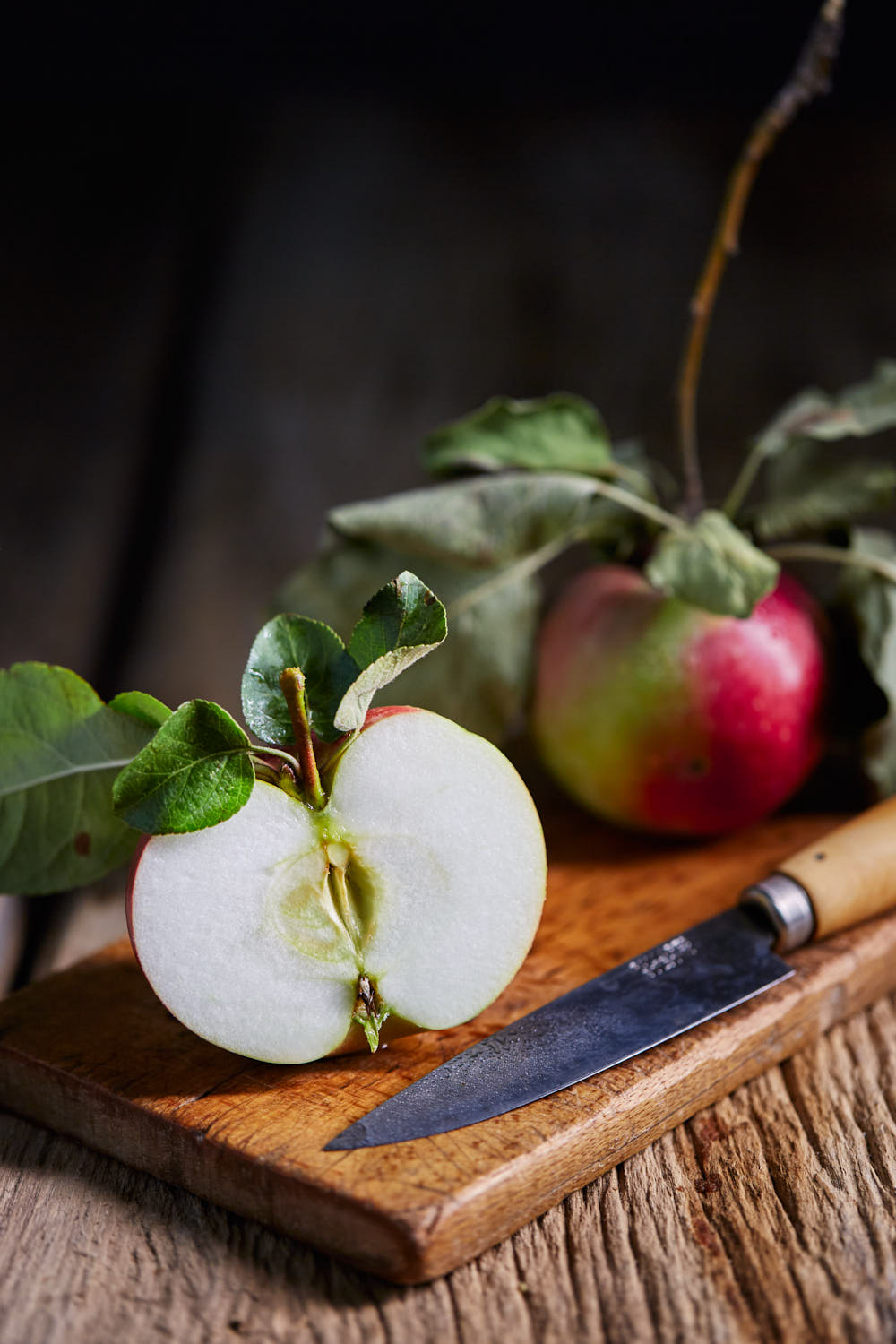
Apples are a Rosh Hashanah tradition, usually associated with wishes for a sweet new year. But I recently came across another interpretation that I love. Unlike most fruit trees, where the leaves appear first and protect the developing fruit, apples begin to grow before the leaves. The apple has therefore come to symbolize a willingness to move forward with faith, even when we don’t know exactly what lies ahead. I rather like that idea.

I also just really like apple desserts. And apparently I couldn’t choose only one. So we’re having Apple Slab Pie AND Apple Cinnamon Crunch Cake.
Get Ahead of the Game

Seven dishes might sound like a lot, but almost everything on this menu can be made or prepped ahead. I’m a big believer in doing as little as possible on the actual day of a dinner party. Here’s how I’d tackle it.

This Weekend

Make and freeze the Chicken Soup and Matzoh Balls, Twisted Apple and Honey Challah, and Apple Slab Pie. These are the bigger jobs, and getting them out of the way early will make the rest of the week much easier.

  • Chicken Soup: Make the soup and freeze it. Make the matzoh balls and freeze them separately in a zip-top freezer bag. Thaw both, then add the matzoh balls to the soup just long enough to heat through.
  • Twisted Apple and Honey Challah: Bake and cool completely. Wrap well in plastic wrap, followed by a large zip-top freezer bag or foil, and freeze.
  • Apple Slab Pie: Bake and cool completely, then wrap well in plastic wrap and foil and freeze.

1–2 Days Before

  • Apple Cinnamon Crunch Cake: Make the cake, wrap well and refrigerate. It can also be frozen if you want to make it earlier. Freeze the cake unwrapped until solid, about 1–2 hours, then wrap well in plastic wrap and foil.
  • Sherry Vinaigrette: Make the dressing and refrigerate. Give it a good shake before using.
  • Perfect Green Salad: Wash and thoroughly dry the greens. Wrap them in a clean tea towel, slip into a plastic bag and refrigerate.
  • Pomegranate Chicken: Seed the pomegranate and dice the onions. Store them separately in airtight containers in the refrigerator.

The Night Before

Move the challah and slab pie from the freezer to the refrigerator to thaw overnight. If you froze the cake, move that to the refrigerator as well.

The Day Of

Make the Pomegranate Chicken and Tomato, Nectarine and Corn Salad. Toss the Perfect Green Salad with the vinaigrette just before serving.

Reheat the chicken soup and add the thawed matzoh balls just long enough to warm through.

Once the challah has thawed, wrap it in foil and warm it in a 350°F oven for about 10 minutes.

Reheat the slab pie in a 350°F oven for 15–20 minutes, until warmed through.

Bring the Apple Cinnamon Crunch Cake to room temperature before serving.

And then sit down and enjoy your dinner. You’ve earned it.

However you celebrate, I hope your table is filled with good food and people you love. Wishing you and your family a sweet, healthy and peaceful New Year. Shana Tova!
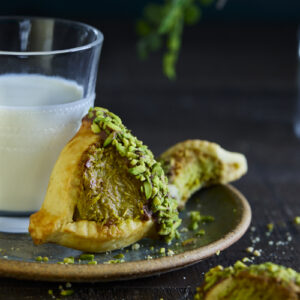
Pistachio Hamentashen (Viral Dubai Pistachio Chocolate Hamentashen)

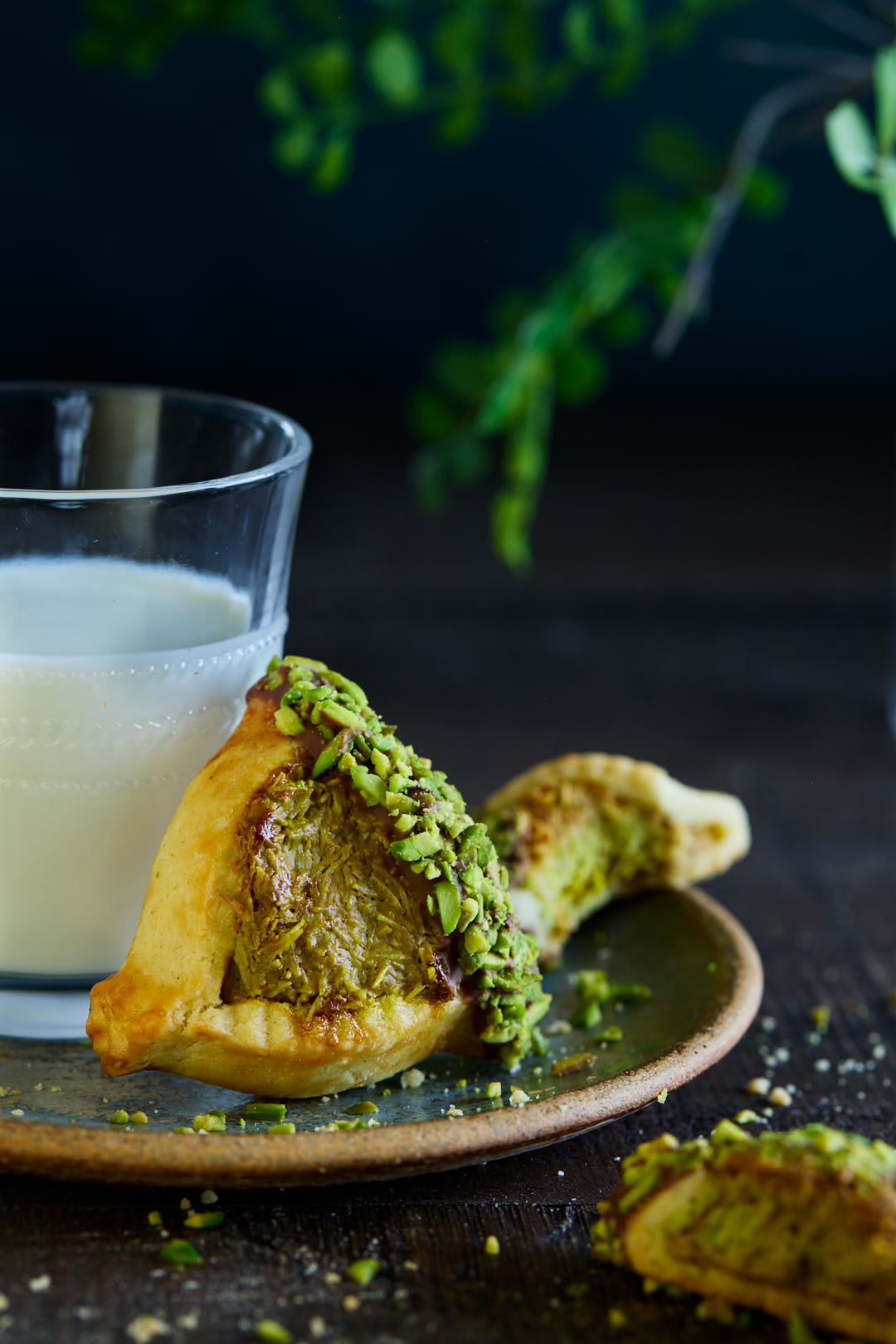
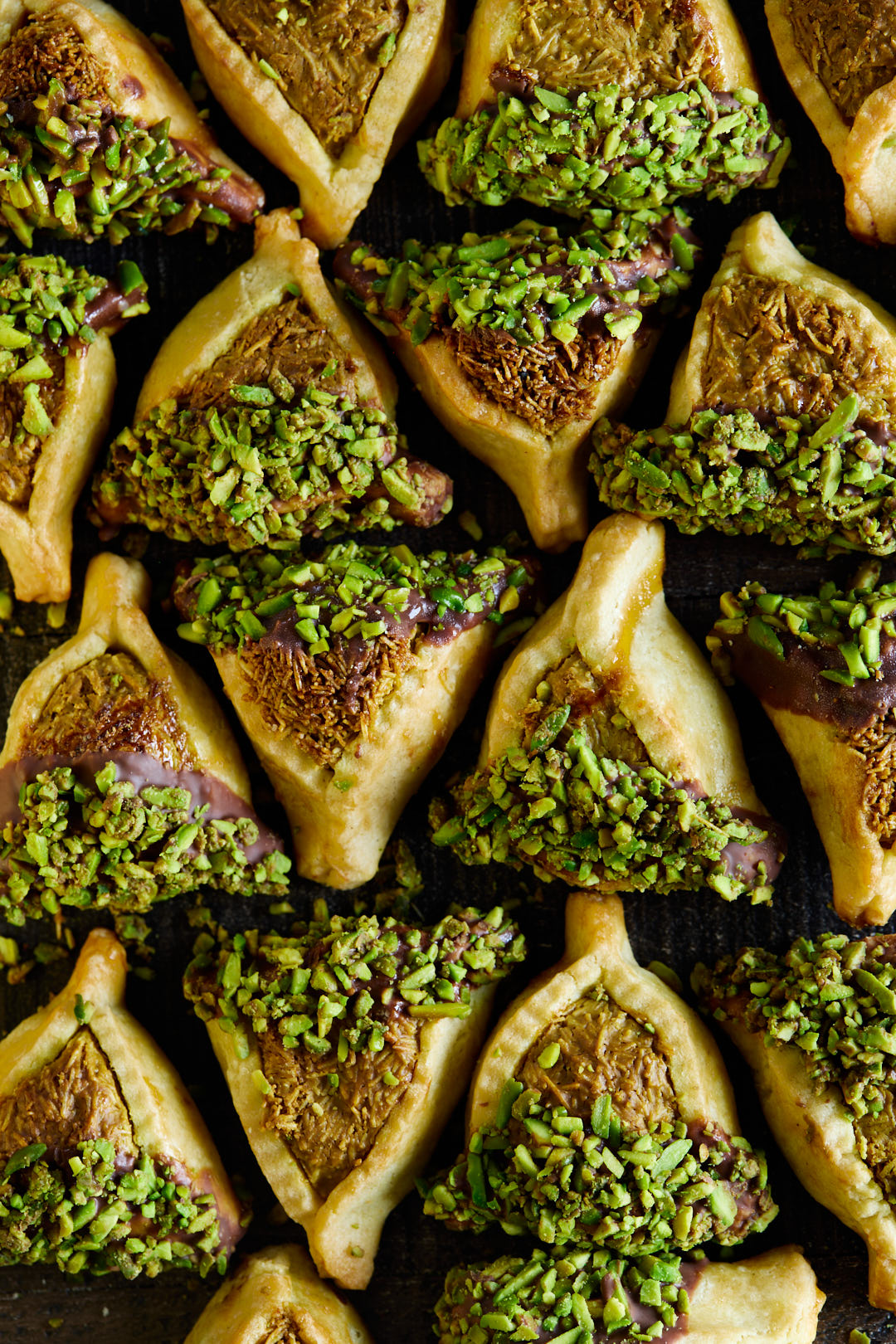
These Pistachio Hamentashen take inspiration from the viral Dubai Pistachio Chocolate bar, blending rich Middle Eastern flavours with a modern twist on the classic Purim treat. The filling is a decadent mix of crispy buttered kataifi (shredded phyllo), velvety pistachio paste, and creamy melted white chocolate, creating a luscious contrast of textures. Encased in a delicate, lightly sweetened cookie dough, each hamentashen bakes up to golden perfection. A finishing dip into milk chocolate along with a sprinkle of toasted pistachios, adds an extra layer of indulgence. These aren’t just hamentashen—they’re an experience.

When I was growing up, hamentashen always came from a bakery. I never really thought twice about it—that’s just how it was. It wasn’t until I got married and was introduced to my husband’s Aunt Carol that I realized people actually baked their own hamentashen. What a revelation.

Aunt Carol didn’t just bake hamentashen—she made hundreds of them every year, carefully packaging and mailing them to all her nieces and nephews across North America. Her hamentashen were something special: tender cookie dough wrapped around a sweet golden raisin and prune filling, dipped in honey and chopped toasted pecans for the perfect crunch.

She passed away suddenly in 2018, and I miss her dearly. She taught me not only how to bake hamentashen but also so many other lessons that have stayed with me. Every year, I make her hamentashen, and my family is happy. But as a food blogger, I also love to experiment—honouring tradition while creating new flavours.

This year’s creation is inspired by the viral Dubai Pistachio Chocolate bar—an indulgent mix of crispy buttered kataifi, pistachio paste, and white chocolate, all wrapped in a delicate cookie dough. After baking, they’re dipped in milk chocolate and finished with toasted pistachios. A little nod to tradition, with a modern, luxurious twist.

See them come together.

Keys to Success for Pistachio Hamentashen

  • Kataifi can be tricky to find. This delicate shredded phyllo dough isn’t always stocked in regular grocery stores, but you might have luck at Middle Eastern or specialty markets. If not, Amazon to the rescue!
  • Pistachio Paste vs. Pistachio Butter or CreamPistachio paste is made from 100% pure pistachios, while pistachio butter or cream usually contains added sugar and other ingredients. For this recipe, you want pure pistachio paste to get the best flavour and texture. It can be tricky to find in stores, but you can easily order it online.
  •  Pinch the corners tightly! To keep the filling from leaking out, make sure to pinch the corners of your hamentashen firmly. Press them well where the edges meet, ensuring they hold their triangular shape while baking. Chilling the assembled hamentashen before baking also helps them keep their shape.
Pistachio hamentaashen, inspired by the viral Dubai chocolate bar.

Pistachio Hamentashen (Viral Dubai Pistachio Chocolate Hamentashen)

These hamentashen are inspired by the Viral Dubai Chocolate Bar. I stuffed my hamentashen with a filling crafted from pistachio paste, white chocolate and and crispy kataifi dough (shredded phyllo dough).
Servings 24 hamentashen
Calories 288 kcal

Ingredients
  

Pistachio Filling

  • 100 grams kataifi pastry (shredded phyllo dough)
  • 40 grams unsalted butter
  • 165 grams white chocolate, coarsely chopped
  • 165 grams pistachio paste
  • 12 grams vegetable oil
  • 20 grams icing sugar
  • 1/4 teaspoon Diamond Crystal Kosher salt, or 1/8 teaspoon Morton's Kosher salt

Hamentashen Dough

  • 170 grams unsalted butter, removed from fridge 30 minutes before starting to make dough
  • 133 grams granulated sugar
  • 1 teaspoon vanilla bean paste or vanilla extract
  • 1 large egg, room temperature
  • 1/2 teaspoon Diamond Crystal Kosher salt, or 1/4 teaspoon Morton's kosher salt
  • 320 grams all purpose flour
  • 1 Tablespoon water

Assembly and topping

  • 1 large egg white, well beaten
  • 150 grams milk chocolate
  • 100 grams shelled pistachios, toasted and finely chopped

Instructions
 

Pistachio Filling

  • Chop kataifi into small pieces, about 2 cm. in length. Use your fingertips to gently separate the strands and fluff the kataifi.
  • In a large skillet, melt butter. Add kataifi and toast over medium heat, stirring constantly, until it becomes golden brown. Set aside to let it cool.
  • Place white chocolate into a medium sized heatproof bowl. Microwave on 50% power for 30 seconds. Stir and continue heating in additional 10-15 second bursts, until completely melted. Stir in pistachio paste, vegetable oil, icing sugar and salt.
  • Pour white chocolate-pistachio paste mixture over browned kataifi. Using 2 forks or your hands, mix until all the kataifi is coated. Set aside.

Make dough

  • In a stand mixer fitted with paddle attachment, cream butter and sugar until light and fluffy, about 2 minutes. Scrape down sides of the bowl. With motor running, add vanilla and egg, then mix to incorporate. Add flour and salt and mix on low until all the flour is incorporated. Add 1 Tablespoons of water and continue mixing until dough comes together. Squeeze a handful of dough. It should hold together. If it’s still crumbly, add another Tablespoon of water.
  • Divide dough in half and roll each piece, between 2 sheets of parchment paper, to an ⅛” thickness. Chill rolled dough in fridge for one hour. (Dough will keep in fridge for 5 days or can be frozen for up to a month.)

Form Hamentashen:

  • Remove one dough sheet from the fridge and place on work surface. Peel off top parchment sheet and gently lay it back in place.  Flip the dough over; peel off and set top parchment layer aside.  Use a 3-inch round cookie cutter (or upside-down glass) to stamp out as many rounds as possible, leaving as little space between them as possible so that you do not have too many scraps. Place rounds on parchment lined baking sheet, setting them 1½ inches apart. Set scraps aside.
  • Brush the edge of the circles with water. Spoon about 1 Tablespoon of the pistachio filling into the center of each circle. Fold up three sides of the dough against the filling, forming a triangular shape. Pinch the edges and corners firmly so that the shape holds together.  Repeat with remaining filling and dough. Scraps can be rerolled and chilled for at least 30 minutes before cutting and baking more hamentashen
  • Preheat oven to 350°F. Chill unbaked hamentashen for about 30 minutes before baking. It will prevent the hamentashen from slumping and they will hold their shape much better. Brush chilled hamentashen with egg white.
  • Before baking, add a second baking sheet under chilled hamentashen. The double baking sheets will prevent the bottom of the hamentashen from getting too brown, before the tops and sides are done. Bake the hamentashen, rotating baking sheet halfway through, until golden, 16-18 minutes. Let cool completely.
  • Place milk chocolate into a medium sized heatproof bowl. Microwave on 50% power for 15 seconds. Stir and continue heating in additional 10-15 second bursts, until completely melted.
  • Dip hamentashen into melted milk chocolate. Sprinkle on some chopped pistachios. Chill until chocolate is firm. Hamentashen should be stored in an airtight container for 5 days or frozen for up to a month.

Notes

Note: If rolling dough to an even thickness is not a skill you excel at, do yourself a favour and buy some rolling pin guide ring spacer bands. They will make your life so much better.
Instead of dipping the hamentashen in milk chocolate, you could get extra fancy and drizzle them with white and dark chocolate as I did in the video. 

Nutrition

Calories: 288kcalCarbohydrates: 30gProtein: 5gFat: 18gSaturated Fat: 8gPolyunsaturated Fat: 2gMonounsaturated Fat: 6gTrans Fat: 0.3gCholesterol: 28mgSodium: 107mgPotassium: 176mgFiber: 2gSugar: 15gVitamin A: 278IUVitamin C: 1mgCalcium: 33mgIron: 1mg
Tried this recipe?Let us know how it was!

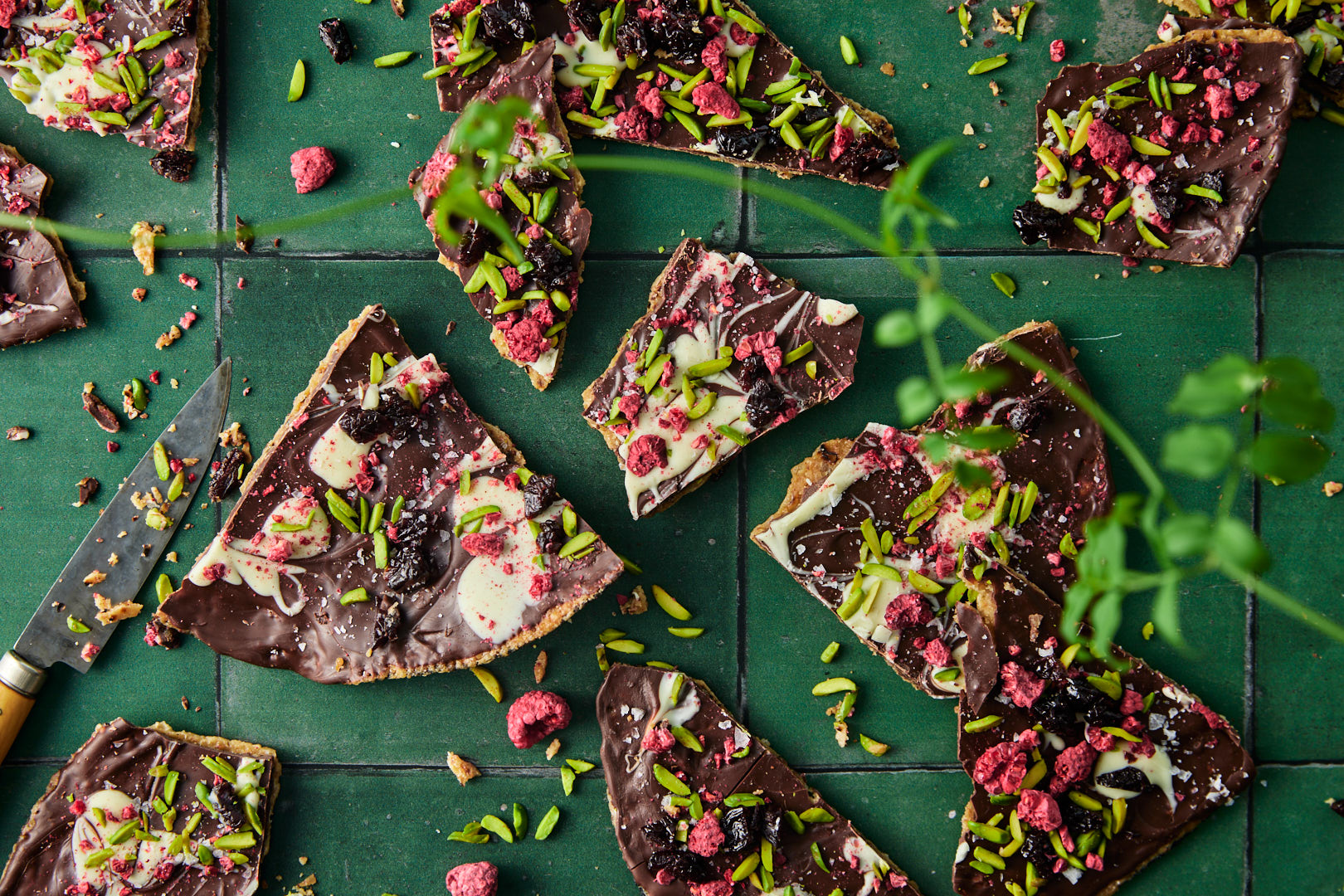
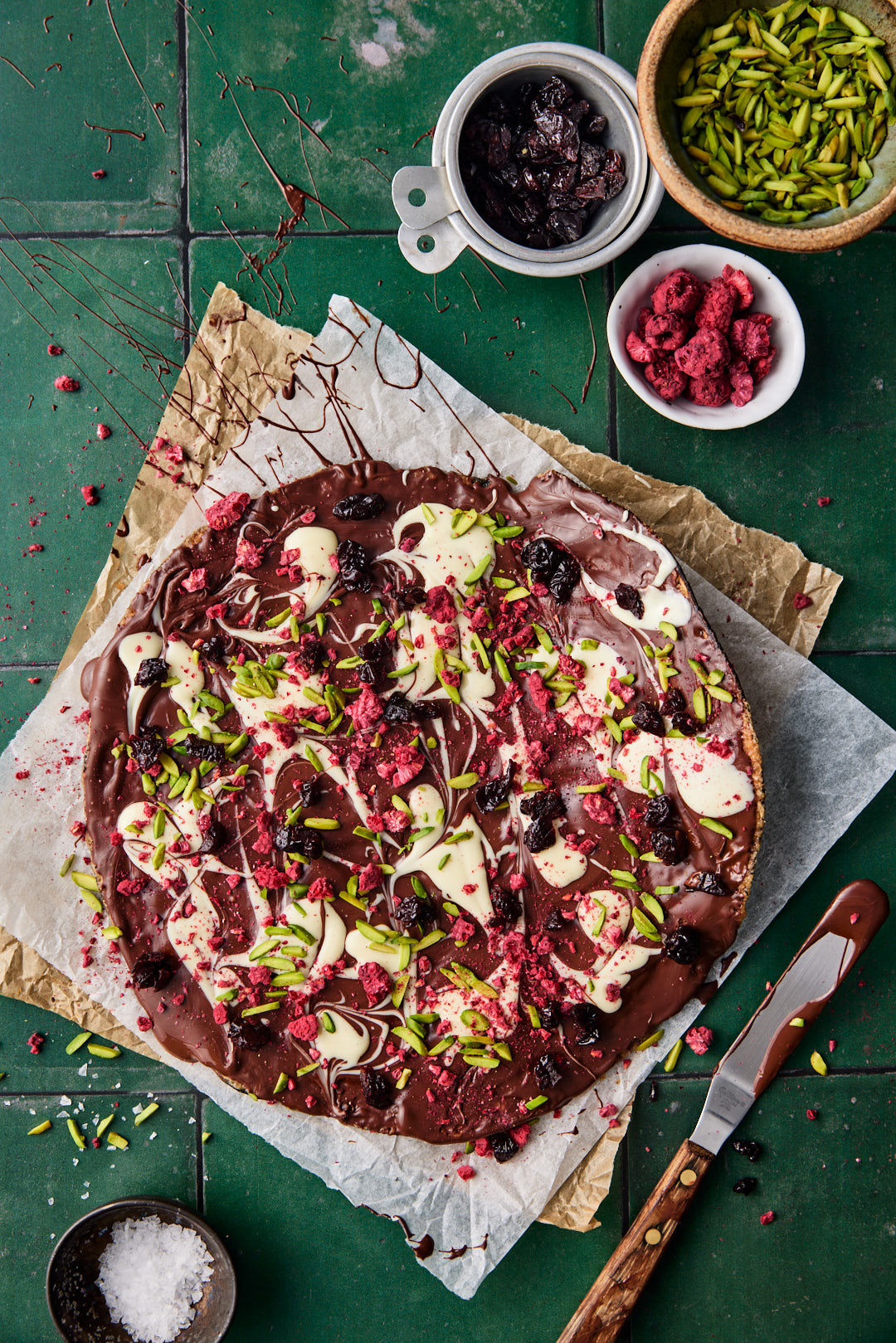
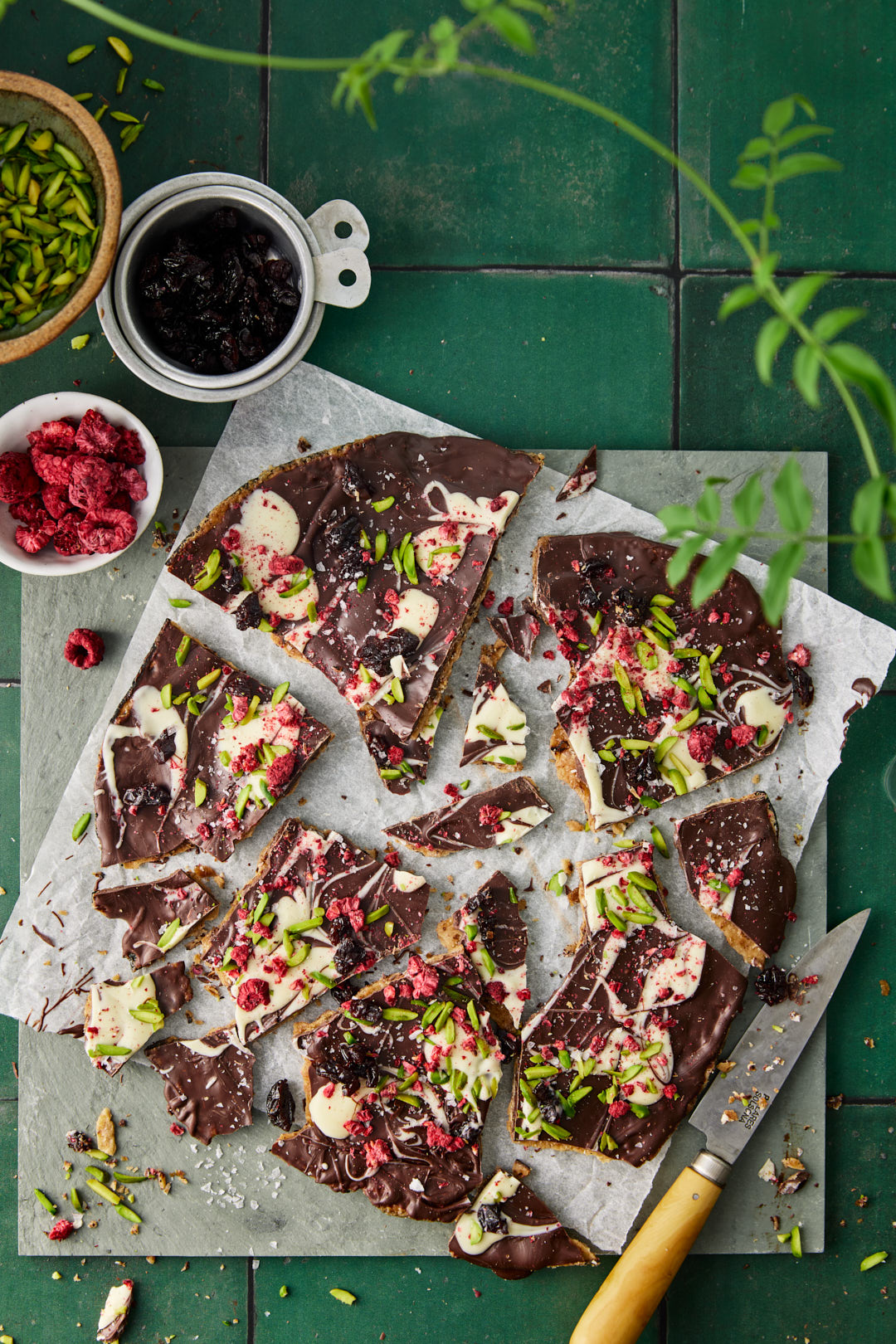
Pistachio, Freeze Dried Raspberry and Dried Cherry Matzoh Crunch

Another flavour of matzoh crunch coming at you today. We were gifted a box of round matzoh, and I wanted to create something special with them.

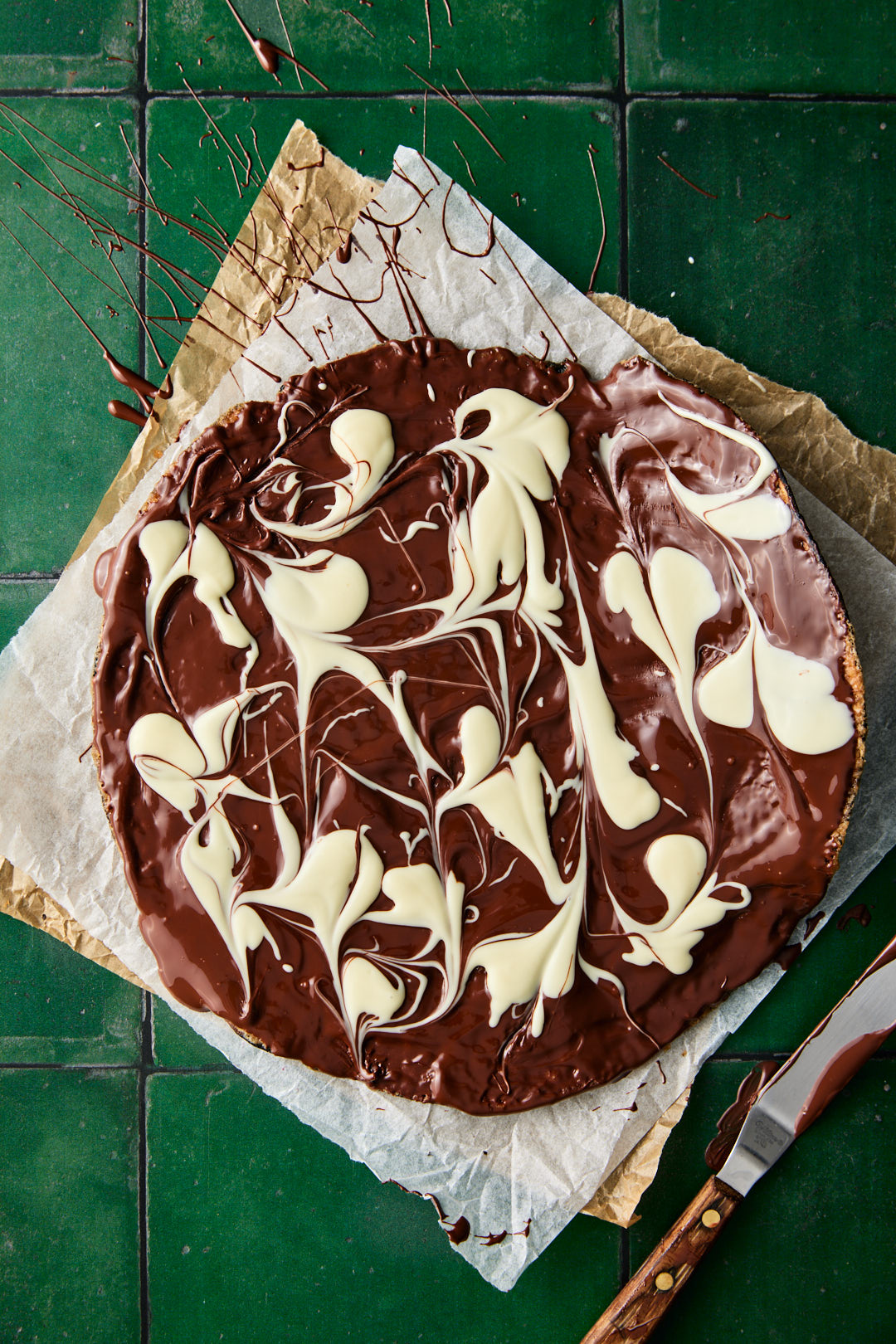
After the caramel coating, I topped these with a layer of bittersweet chocolate and a swirl of white chocolate.

I topped that with these gorgeous slivered green pistachios, crumbled freeze dried raspberries and tart dried cherries. A sprinkling of flaky sea salt balanced out all the flavours. This is a beautiful and sophisticated flavour profile sure to please.

Click here to print recipe for Pistachio, Freeze Dried Raspberry, Dried Cherry Matzoh Crunch.

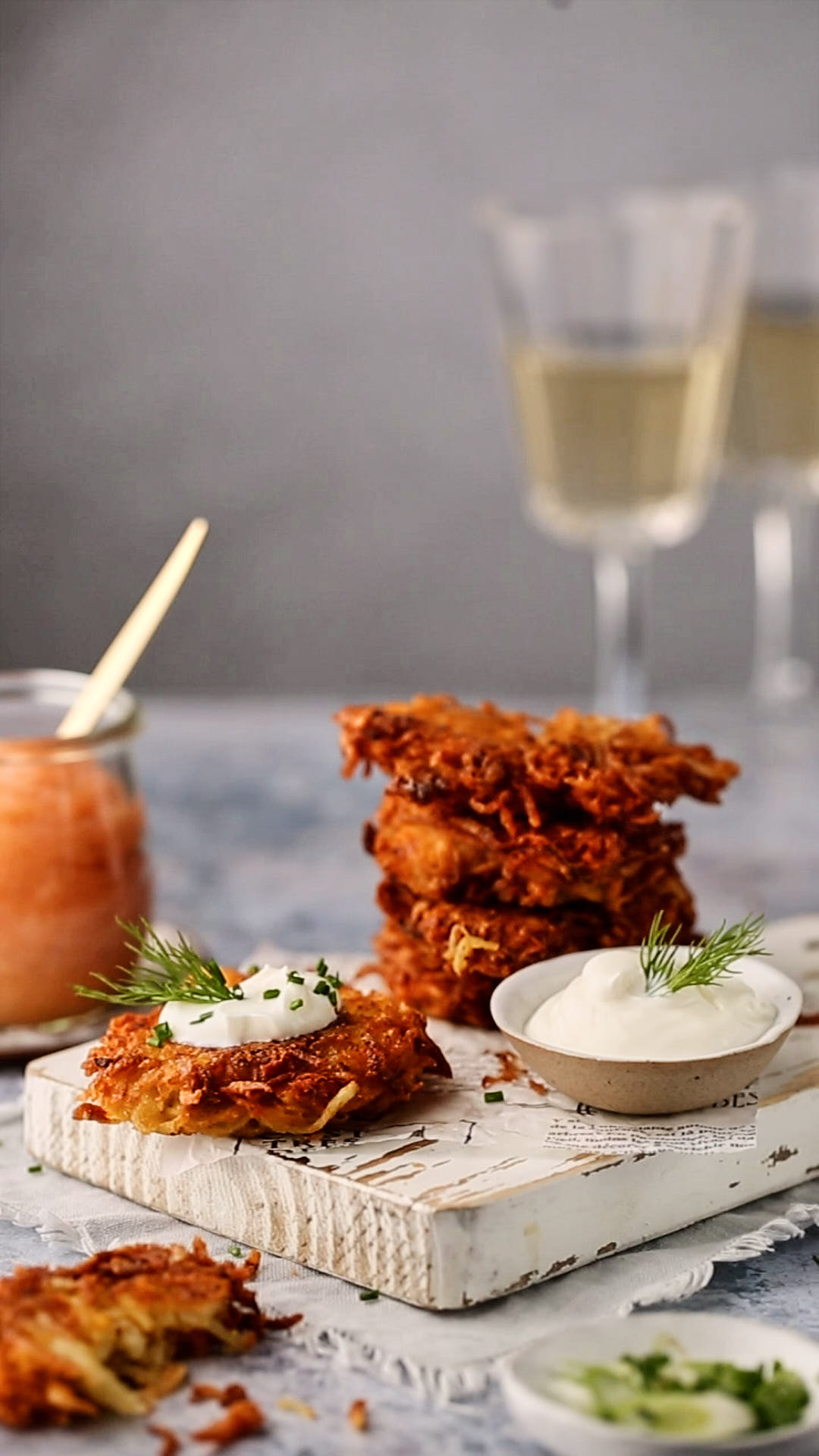
Cheddar Latkes

Happy third night of Chanukah. I really did mean to get this posted last week, but time got away from me. But, luckily Chanukah lasts for 8 nights, so you still have 5 nights left to try these latkes.

When I mentioned to my family that I would be adding cheddar cheese to the latkes this year, it was met with less than enthusiasm. I get it. We really only get to eat latkes once a year, and folks don’t want you messing with tradition.

My husband, ever the diplomat, responded to my announcement with “I’m not really sure how I feel about that.” This coming from a guy that puts ketchup on his latkes (I think it’s an Ottawa thing). My daughter suggested that perhaps I “make two batches, one with cheddar and one without”. Spoken with the innocence of youth, who isn’t peeling and grating the potatoes, squeezing all the liquid out and getting the smell of fried oil in her house and hair for days, as well as trying to film a video!

This is not the first time I have messed with tradition. There was the Latkes with Fried Eggs and Roasted Tomatoes in 2011, the poorly maligned Sweet Potato and Brussels Sprouts Latke variation in 2016, and Apple-Potato Latkes last year.

But hear me out on this one. You know when you make a grilled cheese sandwich and those rogue bits of cheese escape and get all brown and crispy at the edges of the sandwich. That’s the best part, right? So imagine crispy fried potatoes and crispy cheese. Two kinds of crispy. How bad could that be? Pretty damn fantastic. They were met with rave reviews.

The inspiration came from Chef Michael Solmonov. I saw him add cheddar to his latkes on the Rachael Ray show last week, and I was sold. He added a full pound of cheddar to his latkes, but I scaled that back to 5 ounces in my version, which still let the potato flavour come through strong.

A few tips for success:

  • Do not skip the step in the recipe where you squeeze all the water out of the grated potatoes and onions. You will not achieve crispy latkes.
  • Save the liquid you squeeze from the potatoes and onions. Let it sit for a few minutes and then pour off the liquid. The gunk you see at the bottom of the bowl is potato starch. Mix it with the eggs and add it to your potato mixture. That potato starch is a magic ingredient in keeping your latkes from falling apart.
  • Reheat latkes on a wire rack, set over a baking sheet. The wire rack allows the air to circulate so the bottom of your latkes don’t get soggy.

Click here to print recipe for Cheddar Latkes.

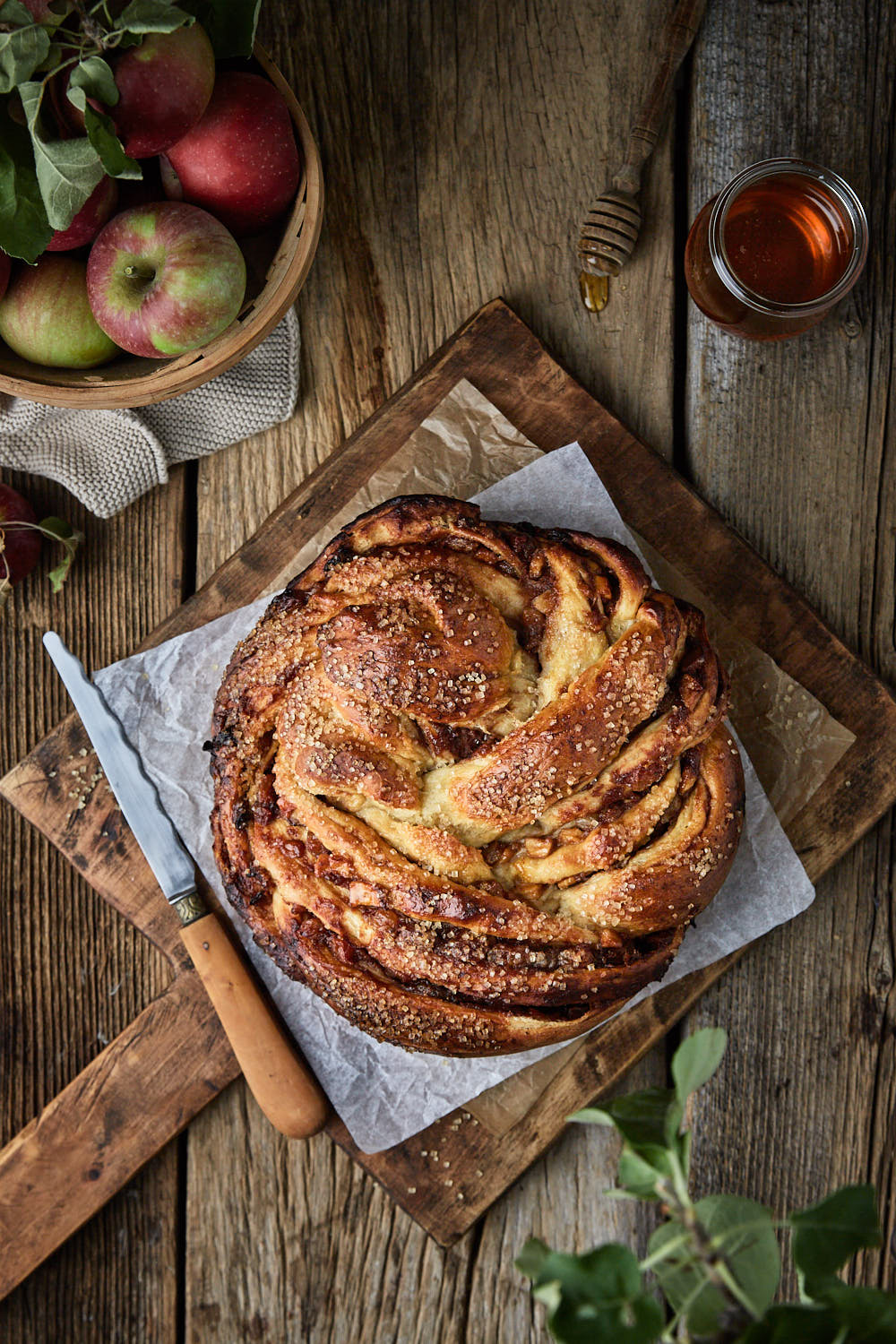
Apple Challah Babka

Watch what happens when challah and babka collide.

On Rosh Hashanah, it’s traditional to dip apples in honey, to symbolize our desire for a sweet year ahead. In my quest to be efficient and practical, I thought it would be clever to bake my honey and apples right into the challah.

Adding apples to challah dough is tricky. Raw apples would leach too much moisture into the dough and make the challah soggy. Sautéing them first, solved that problem. To further boost the apple flavour, I spread some apple butter onto the dough. Apple butter does not actually contain any butter. It is made by cooking down apples into a very concentrated state. it’s quite tart, as no sugar is added to it.

I sprinkled my dough with golden raisins, but I know how contoversial raisins are, so leave them out if you have a family of raisin haters.

While a babka is traditionally baked in a loaf pan, on Rosh Hashanah, challah is round, a circle without an end, to symbolize our wish for a year in which life and blessings continue without end. So once the dough is twisted, just coil it into a knot.

Wishing you all a sweet and healthy new year.

Click here to print recipe for Apple Challah Babka.

Salted Honey Gingerbread Ice Cream Sandwiches

I consider Honey Cake to be the Jewish equivalent to Fruit Cake. It’s always served at Rosh Hashanah (the Jewish New Year) celebrations but no one really likes it.

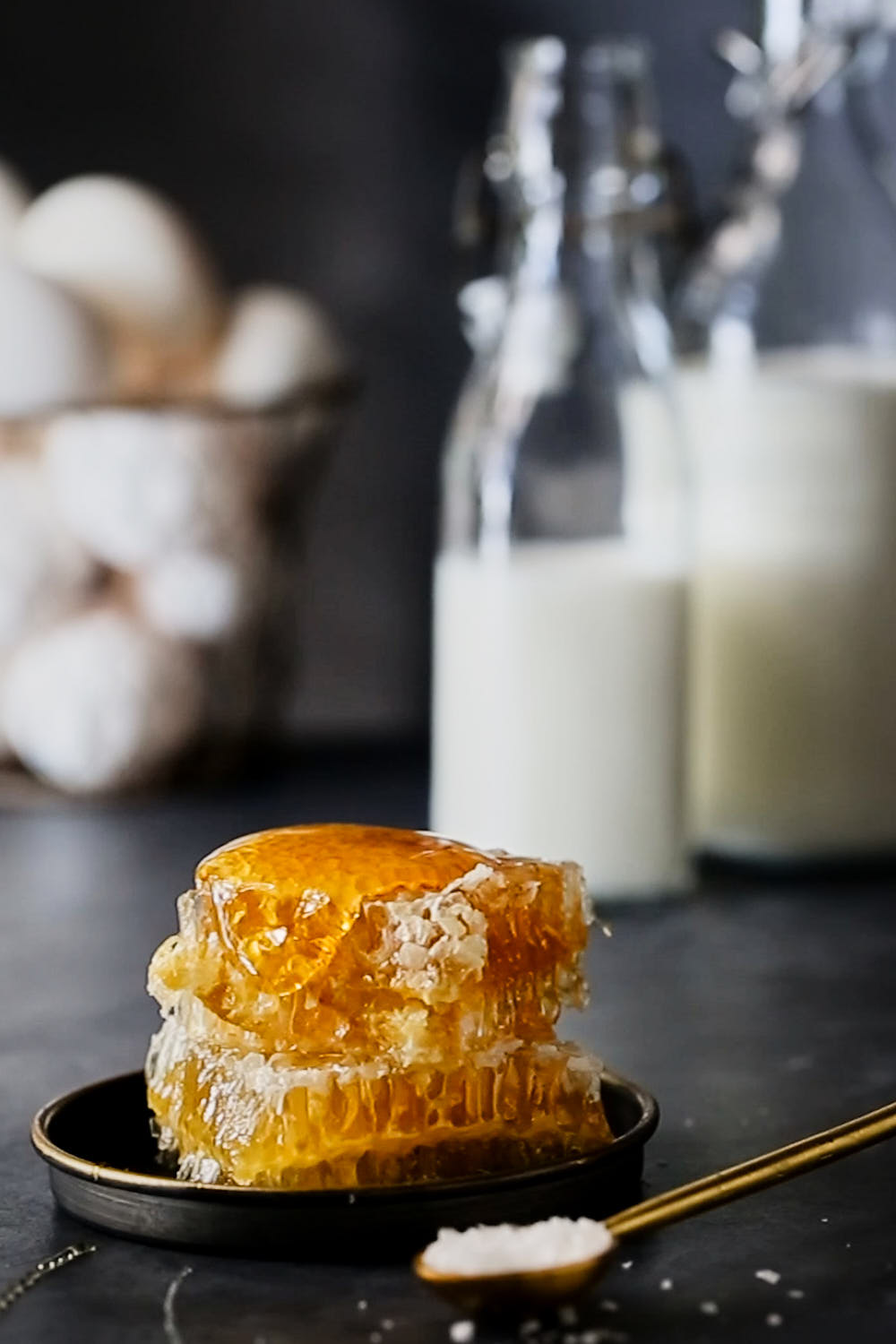
Honey figures prominently in Rosh Hashanah menus as it symbolizes our desire for a sweet new year. The choice of honey was brilliantly explained on the website torah.org with this insight:
“A bee can inflict pain by its sting, yet it also produces delicious honey.  Life has this same duality of potential. We pray that our choices will result in a sweet year.”

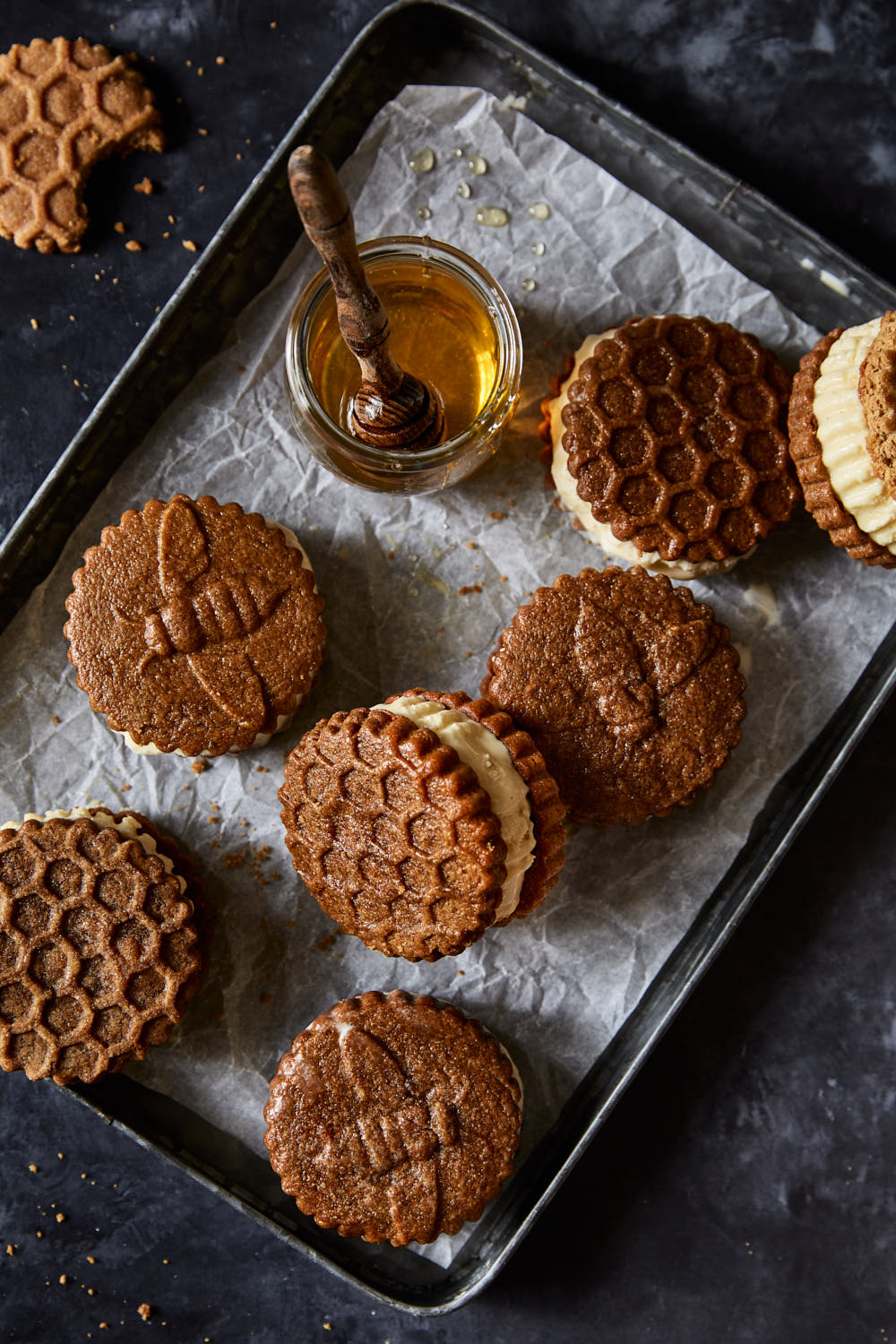
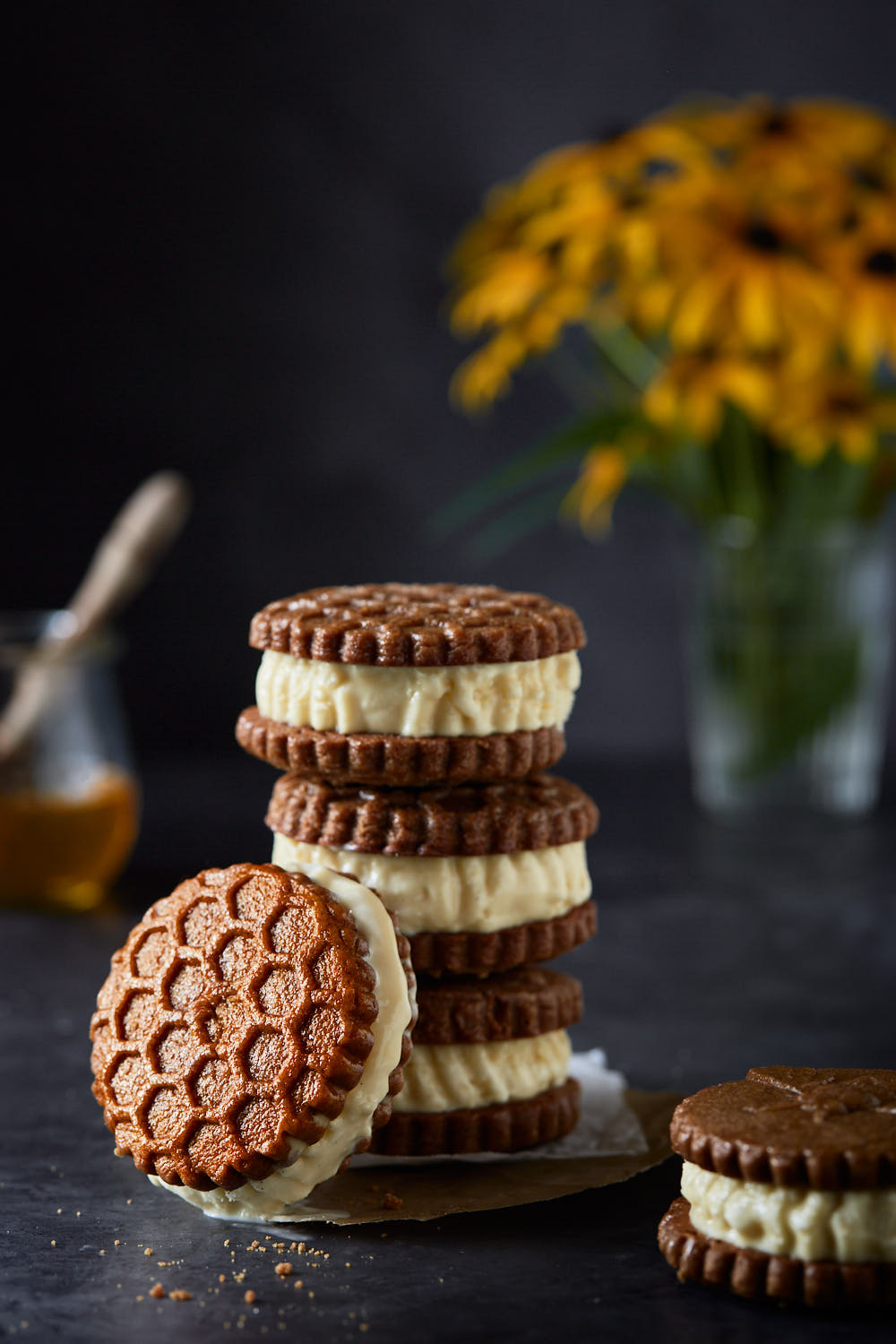
But nowhere is it written that honey must be baked into a cake. This year, Salted Honey Gingerbread ice Cream Sandwiches are on the menu. I’m a rebel.

Watch how they come together.

The cookie stamps I used are from Nordic Ware. Rolling the cookie dough in granulated sugar prevents the cookie from sticking to the cookie mold. You could certainly just bake the cookies without the bee themed stamps, but I couldn’t resist.

I tested out this recipe this summer and I wrapped each ice cream sandwich individually in plastic wrap and stored them in the freezer. We quickly discovered that the frozen cookies become rock hard making the sandwiches really difficult to eat. So in the recipe, I suggest you cut out the ice cream circles and store them a baking sheet wrapped in plastic wrap in the freezer. Assemble the sandwiches, with the room temperature, soft and chewy cookies, just before you want to eat them.

The addition of the salt to the honey ice cream keeps it from being cloyingly sweet. The spicy chewy ginger cookies are a perfect match for the sweet honey ice cream. Wishing you all a sweet and healthy new year.

Click here to print recipe for Salted Honey Gingerbread Ice Cream Sandwiches.

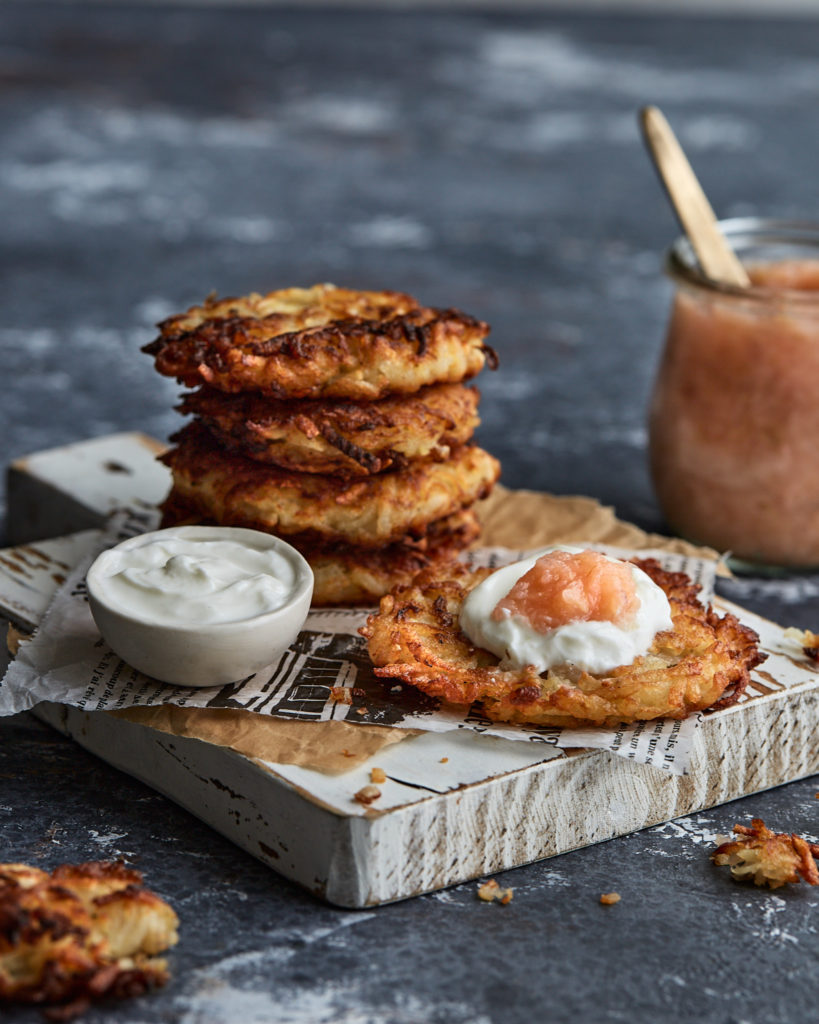
Apple-Potato Latkes

I have been blogging since May 19 2009. This year will be the 13th Chanukah post I will be writing. If your family is anything like mine, they want the same classic potato latkes every year. Your idea of the ultimate latke very much depends on what you grew up with.

It’s beginning to smell and sound a lot like Chanukah around here as I test latke recipes. Check out the video.

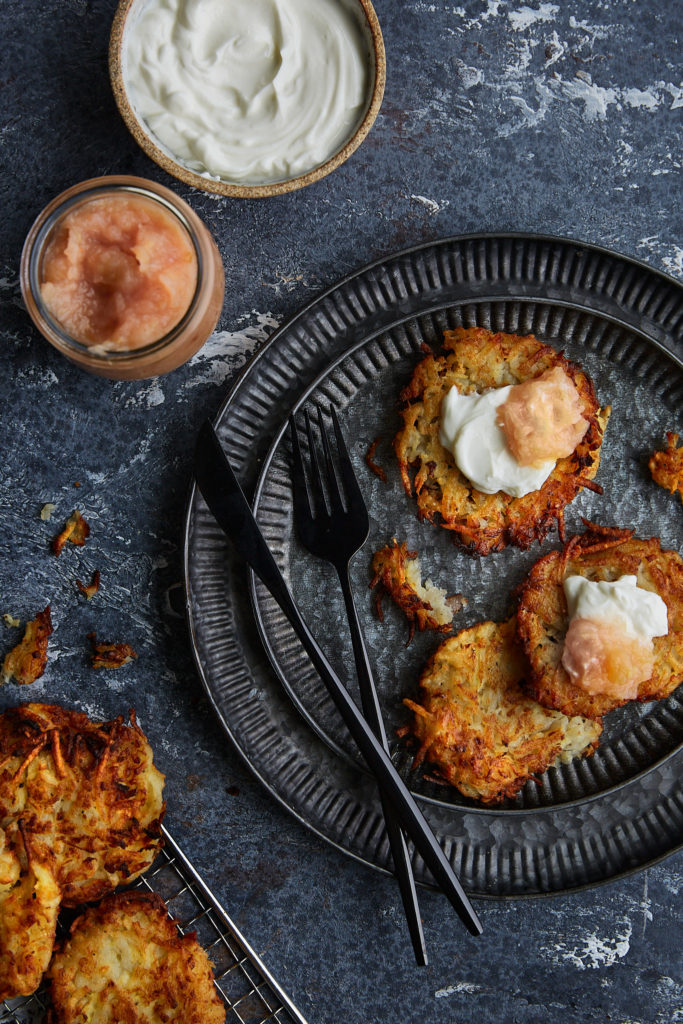
My childhood memory of latkes is bittersweet. My mom made the most delicious latkes. Thin, lacy and very crispy at the edges, they were held together with the bare minimum of egg and matzoh meal. She served them with apple sauce and sour cream. That’s the sweet part of my childhood memory. The bitter part is related to my mom’s very keen sense of smell. She was offended by the lingering scent of frying oil. Almost immediately after making latkes, she would perform an exorcism to cleanse the house of the offending odour. She used her secret blend of cleaning agents, a potent, lethal combination of Joy and Ajax.  Do not try this at home unless you are wearing a gas mask.

My husband, on the other hand, grew up with thick and creamy latkes. The potatoes were chopped quite fine and then fried, almost like a potato cake. They were served with ketchup. 😱 For a few years I made compromise latkes. Eventually, I won him over to the thin and lacy style. but he still eats them with ketchup.

As a blogger, I feel pressured to present something new and innovative every year. But the truth is, while my family smiled and nodded politely when I presented them with Sweet Potato and Brussels Sprouts Latkes one year, they just want traditional latkes.

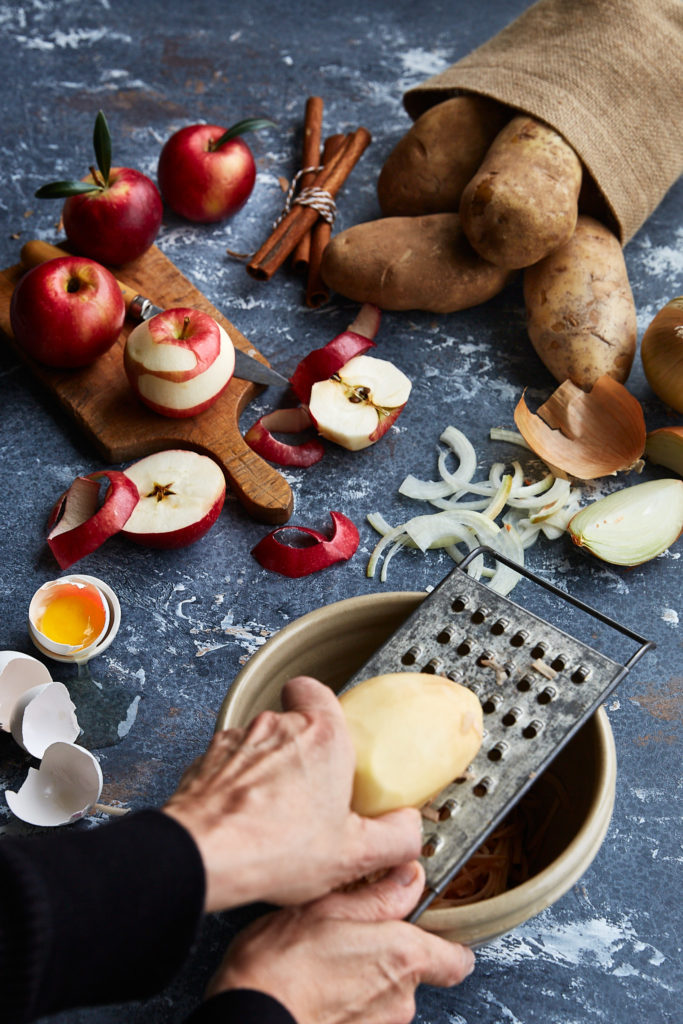
A while ago, I came across a recipe for Apple-Potato Latkes with Cinnamon Sour Cream, from Melissa Clarke. I was intrigued with the addition of apples. We always eat latkes with applesauce, so adding apples to the batter wasn’t such a radical idea. While they were delicious, they strayed too far from my ideal latke. She added 3 eggs and 2/3 cup of flour to the batter. They held together beautifully, but they were too eggy and cake-like for me.

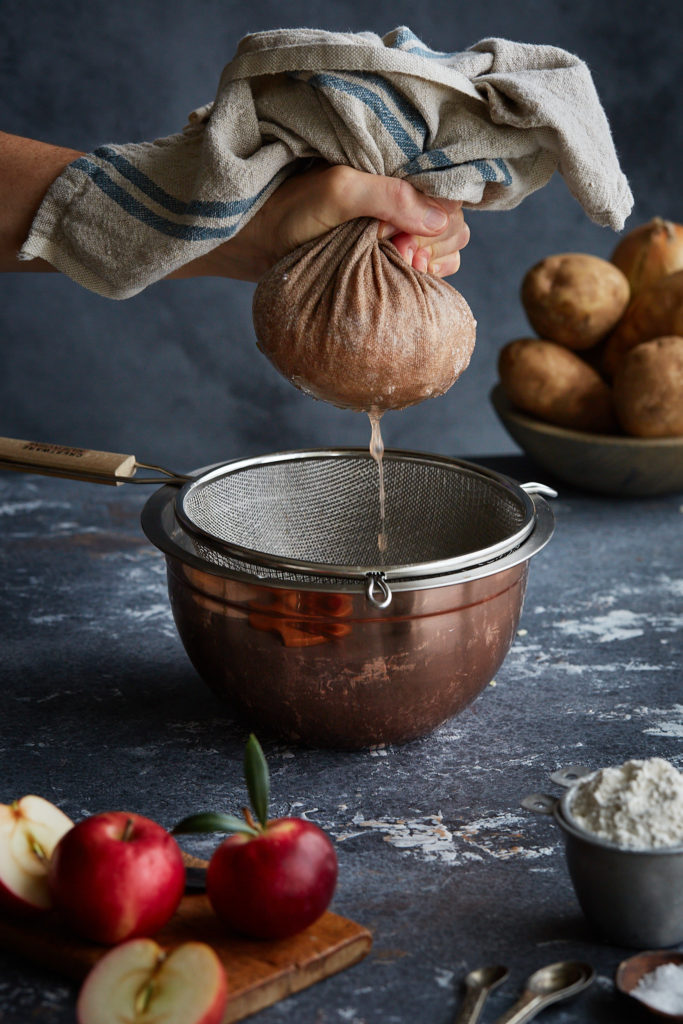
I played around with the ratios and came up with a more traditional latke. The apple remained as a subtle hum in the background, but the predominant flavour is potato. The key to making latkes is muscle power. You need to rid the potatoes, and apples in this case, of all their excess moisture. About 80% of a potato is water. Apples contain 85% water. After shredding, gather up the mixture into a tea towel and squeeze out as much liquid as you can. Save the liquid that the apples and potatoes give up. After sitting for a few minutes, all the starch from the potato liquid will settle to the bottom of the bowl. Drain off the liquid, and scrape that potato starch into the shredded mixture. It really helps keep the latkes together.

These latkes offer a slight variation on the classic latke, that even the die-hard traditionalists in your house will approve.

Pro tip: for pretty pink applesauce, don’t peel your apples. Just quarter them and put them in a pot with a little water. Cover and cook over low heat until tender. Use a food mill to get rid of the skins and core. Flavour with a pinch of cinnamon if desired.

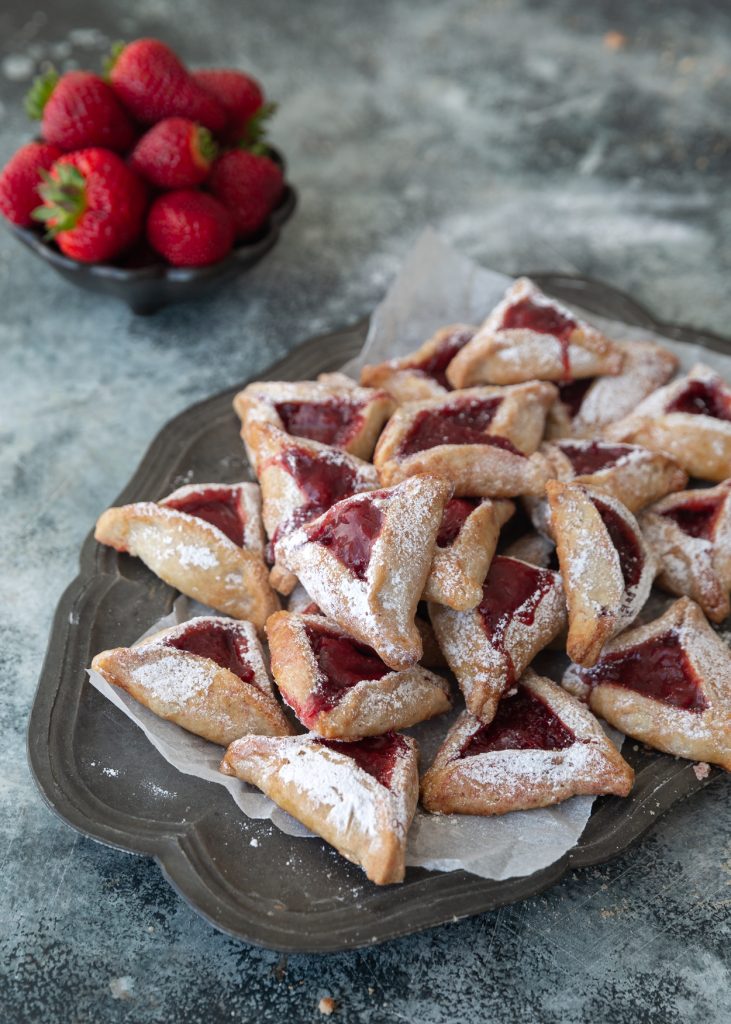
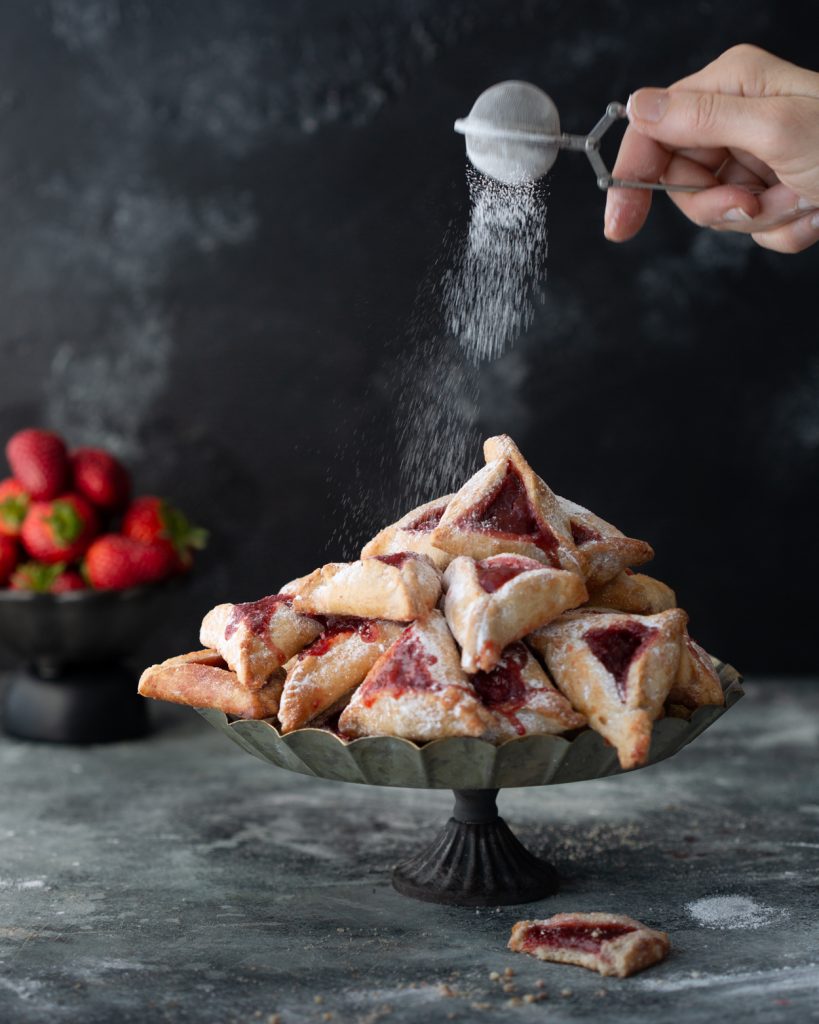
Strawberry Rhubarb Hamentashen

Sam Sifton, food editor of the New York Times, has an interesting theory regarding pizza. The first slice of pizza a child sees and tastes becomes, for him, pizza. In effect, that becomes your standard by which you judge all other pizzas. I believe the same could be said for hamentashen. We have a predisposed love of the hamentashen we grew up with.

I grew up in Toronto, and in our family Purim was celebrated with hamantashen from Open Window Bakery. They were huge with a hard, crumbly cookie dough exterior and either a prune or poppy-seed filling. My sisters and I fought over the poppy-seed ones. (Mom, why did you even bother buying the prune ones?)

Over the years, I have experimented with different types of fillings (hello cinnamon bun hamentashen, salted caramel apple hamentashen, dried cherry and pecan hamentashen, and maple pecan hamentashen. Experimenting with fillings is fun, although there are the die-hard traditionalists, like my husband, that just want the “Aunt Carol” hamentashen they grew up with.

Where I get a bit cranky is when people start playing around with the dough that encases the filling. Many of the newer recipes include cream cheese or sour cream, in an attempt to make a flaky dough. People, we are making hamentashen here, not rugelach. Cream cheese and sour cream do not belong in hamentashen dough. The shell of a hamentashen should be cookie-like, firm and crumbly with a toothsome chew.

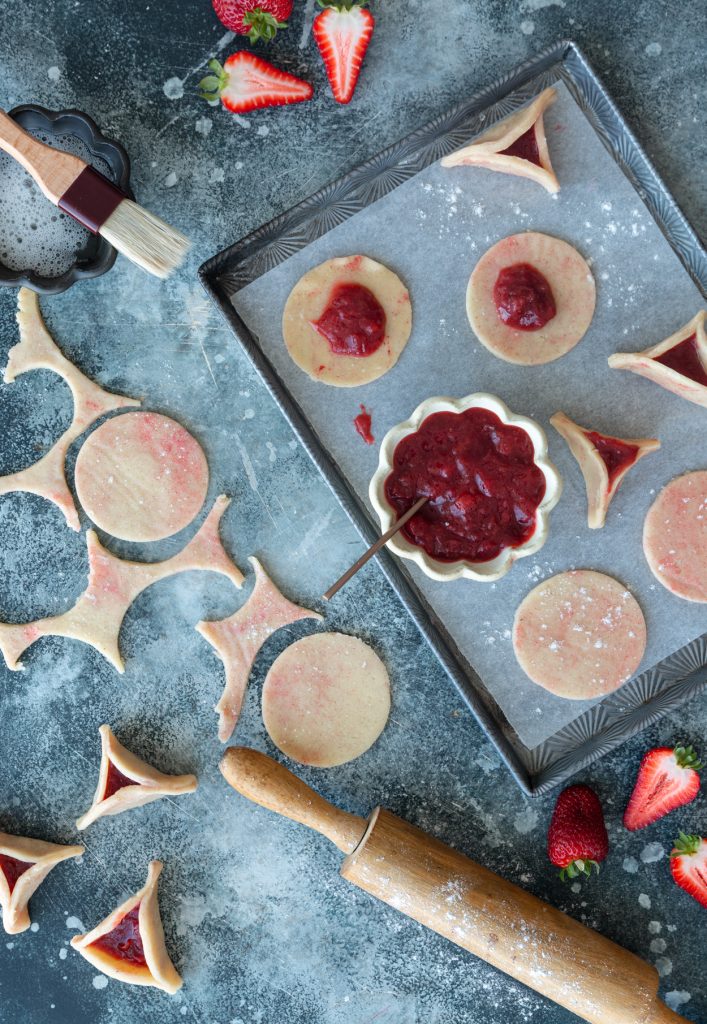
I did stray slightly by sprinkling a little bit of freeze-dried strawberry powder over my dough, as I was rolling it out. It added a hint of strawberry flavour to the dough, and looked so pretty. Sadly, the streaks disappeared upon baking, but the flavour was there. It’s an optional step.

I’m going to ask you to make your own strawberry rhubarb jam. Store-bought is fine, but if you have an extra 20 minutes, this jam is stellar. I discovered this recipe from Jake Cohen over at thefeedfeed. Sweet and tart with a little pop of acidity from rice wine vinegar, you will find yourself putting this s##t on everything.

Once the jam is made, the process goes fairly quickly, unless you have a mailing list of 25 to send hamentashen to!

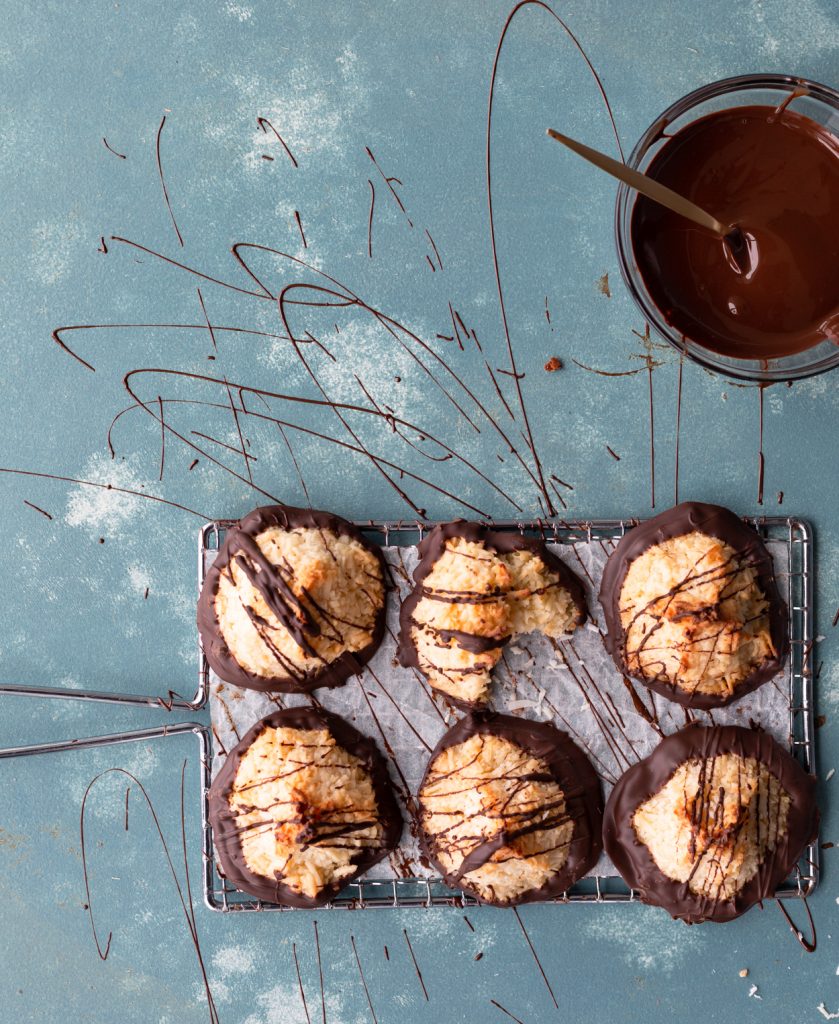
The Ultimate Coconut Macaroons

Last night marked the first night of Passover. Traditionally, Jewish families, the world over, gather to retell the story of the Exodus of the Jewish people from slavery in. Egypt. When my son was little, he used to complain about having to go to the Seder. He’d say, “It’s so boring. Every year we tell the same story.” Which made my husband and I laugh, because, of course, that’s the whole point! We do this to link our past to our future, to teach the next generation. Never has the story of freedom been more relevant as now, when we await our own exodus from isolation back to freedom.

This story begins with the youngest person at the table asking the Four Questions (Mah Nishtanah). These four questions help to explain why this night is different from all other nights. This year, of course, this night is very different from all other years, because of Covid-19. In our family, we normally get together with my husband’s side on the first night, and my family on the second night. We both have huge families. I have 4 sisters and a brother and my husband has the opposite, 4 brothers and a sister. Our kids have 24 first cousins!

The Jewish people are an innovative tribe. Google, Waze, vaccines for polio, cholera and the bubonic plague, to mention but a few, were all created by Jews. During this time of social isolation, we innovate again and created a virtual Seder on Zoom.

Because we were’t able to be physically together, I mailed care packages of Passover desserts to my mom and siblings. Even in isolation, baking brings us closer together, and it has played a big part in alleviating my anxiety. This year I made marble matzoh crunch, milk chocolate almond matzoh crunch, PB&J macarons and coconut macaroons. When the lady at the post office asked the value of the packages, for insurance purposes, I almost said, priceless, because is there anything more special than receiving a box of treats in the mail?

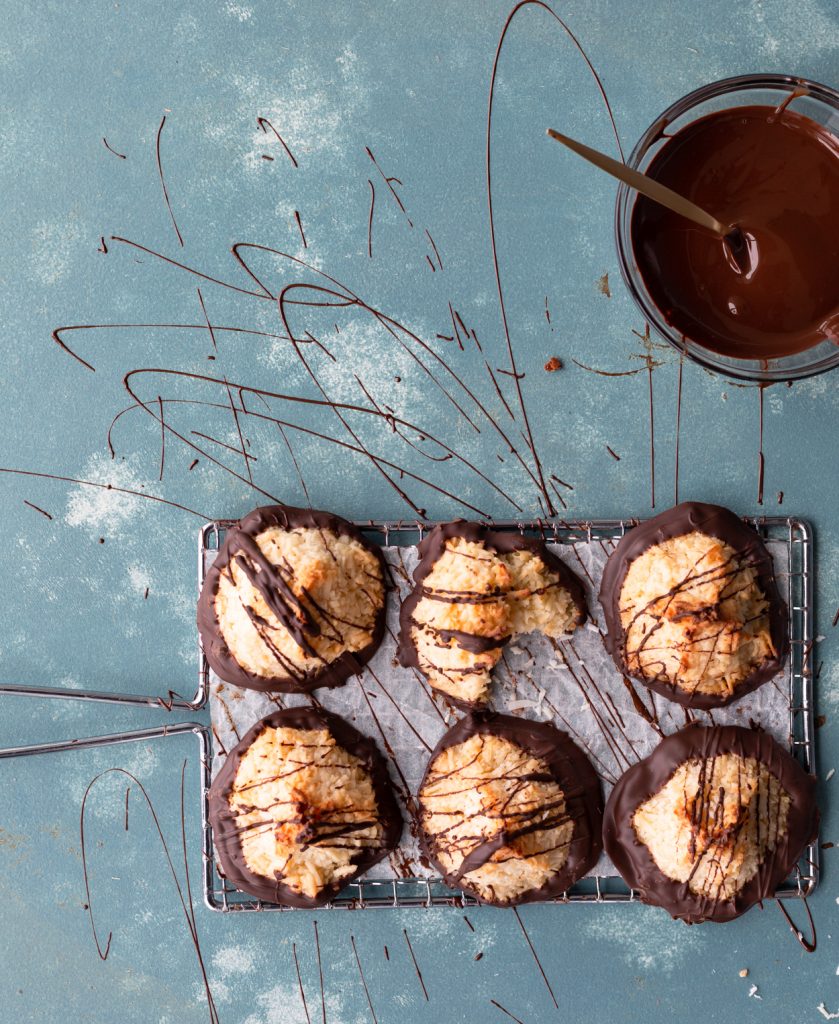
I tried a new macaroon recipe this year. It was so good I had to share! The recipe comes from Danielle Kartes’ book Rustic Joyful Food. Food52.com posted them on Instagram and I was intrigued. They contain ingredients I have never used in coconut macaroons before.

A classic macaroon calls for mixing together egg whites, sweetened shredded coconut, sugar and vanilla. Danielle’s recipe omits the sugar and uses sweetened condensed milk. That really helps to make the macaroons moister and chewier in the centre. She uses the whole egg, not just the white,. The yolk adds richness and fat, helping to keep the macaroon from becoming crumbly and dry. She further enhances the flavour and texture by adding a stick of melted butter. The butter browns and caramelizes as it bakes, creating a rich and satisfying macaroon.

If you are a regular reader of this blog, you will know that I am quite passionate about coconut. Thanks Danielle for upping my macaroon game to a new level. I’m very excited about these.

Poppyseed Fig and Walnut Hamentashen

Purim begins this week at sundown on Monday March 9. For those not familiar with this Jewish holiday, I present to you a basic primer, my version of Purim 101. Essentially, the Festival of Purim commemorates a time when the Jewish people living in ancient Persia were saved from extermination. As in every good story, you have your heroes and your villans.

The heroes of the story are Esther, a beautiful young Jewish woman living in Persia (now known as Iran), and her cousin Mordecai, who raised her as if she were his daughter. Esther was taken to the house of Achashveirosh, King of Persia, to become part of his harem. King Achashveirosh loved Esther more than his other concubines, and made Esther his queen. Like all intelligent wives, she kept a thing or two about herself hidden from her husband. Upon advice from her cousin Mordecai, she kept her Jewish identity a secret from the King.

Our story’s villan is Haman, a rather arrogant, egotistical advisor to the King. The King appointed Haman as his Prime Minister. Haman had a particular hate-on for Mordecai because Mordecai refused to bow down before Haman every time he passed by.  Rather than seeking to destroy Mordecai alone for this slight, Haman decided to take revenge on the entire Jewish population living in the Persian empire. The King gave Haman permission to do as he pleased. Haman’s plan was to exterminate all of the Jews. 

Nothing got past Queen Esther. She had her finger on the pulse on the kingdom. Somehow she overheard this plot to annihilate all the Jews. She consulted her cousin Mordecai and he persuaded Esther to speak to the king on behalf of the Jewish people. This was a dangerous thing for Esther to do, because anyone who came into the king’s presence without being summoned could be put to death, and she had not been summoned. She told him of Haman’s plot against her people and somehow convinced him to save the Jewish people. We’re never told exactly how she convinced him, but there are rumours! The Jewish people were saved, and Haman and his ten sons were hanged on the gallows that had been prepared for Mordecai.

The holiday of Purim focuses on the pleasures of food and drink, more than any other Jewish holiday. It is a time for celebrating and letting go. In fact, traditional Jewish learning requires a person to drink until he cannot tell the difference between “cursed be Haman” and “blessed be Mordecai,” though opinions differ as to exactly how drunk that is. The traditional Purim treat is a little triangular cookie typically filled with a fruit or poppy-seed filling. The shape supposedly represents Haman’s three-cornered hat.

When I was a child, I didn’t know anyone who baked homemade hamentashen. They were always bought at Open Window Bakery in Toronto. There were 2 filling options, prune or poppyseed. Much like the New York vs. Montreal style bagel debate, a prune vs. poppyseed debate can also get quite ugly. Our family liked the prune ones better. I never really liked the texture or flavour of a poppyseed filling. But I do love a poppyseed cookie!

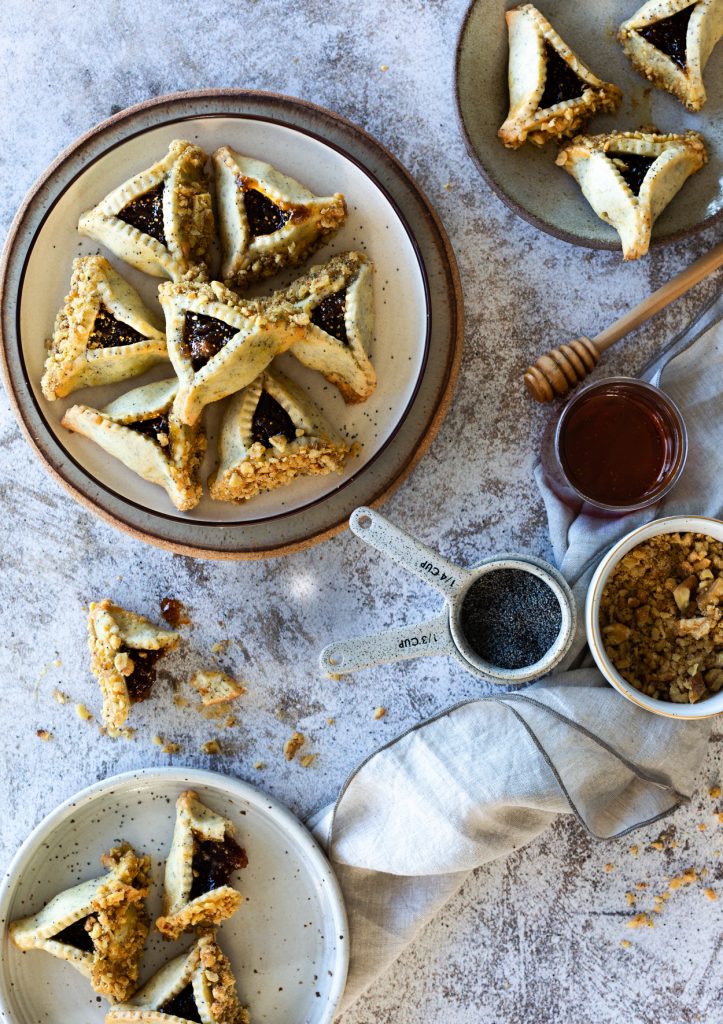
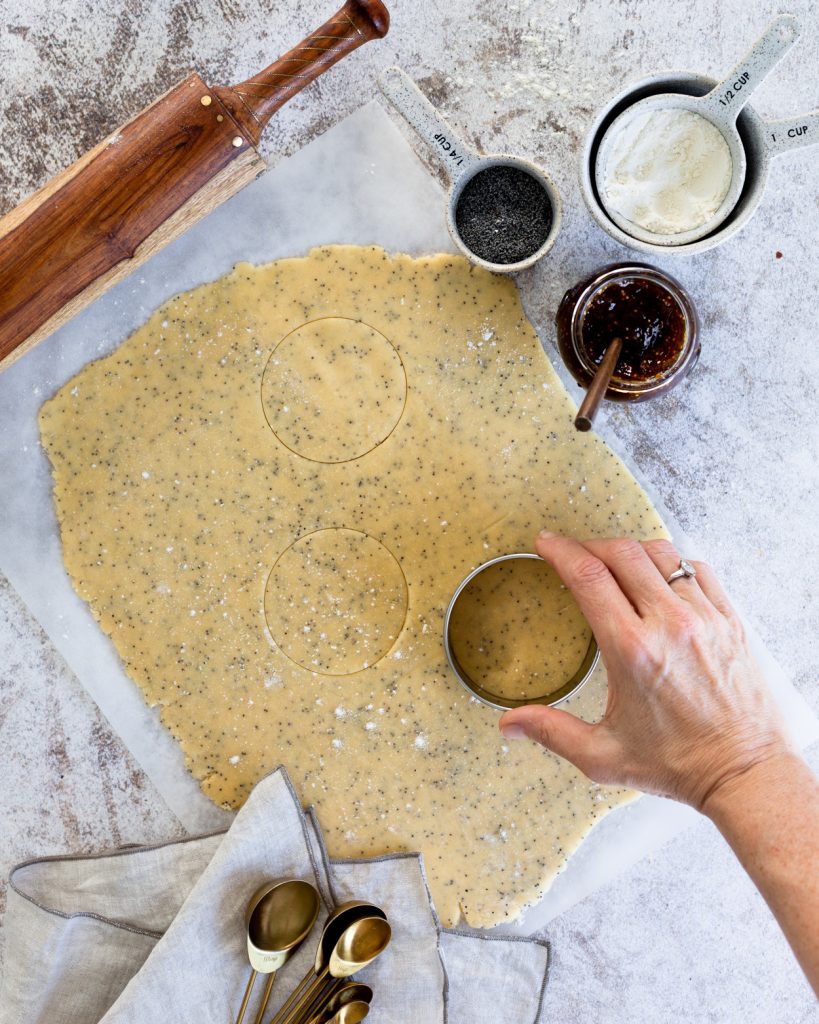
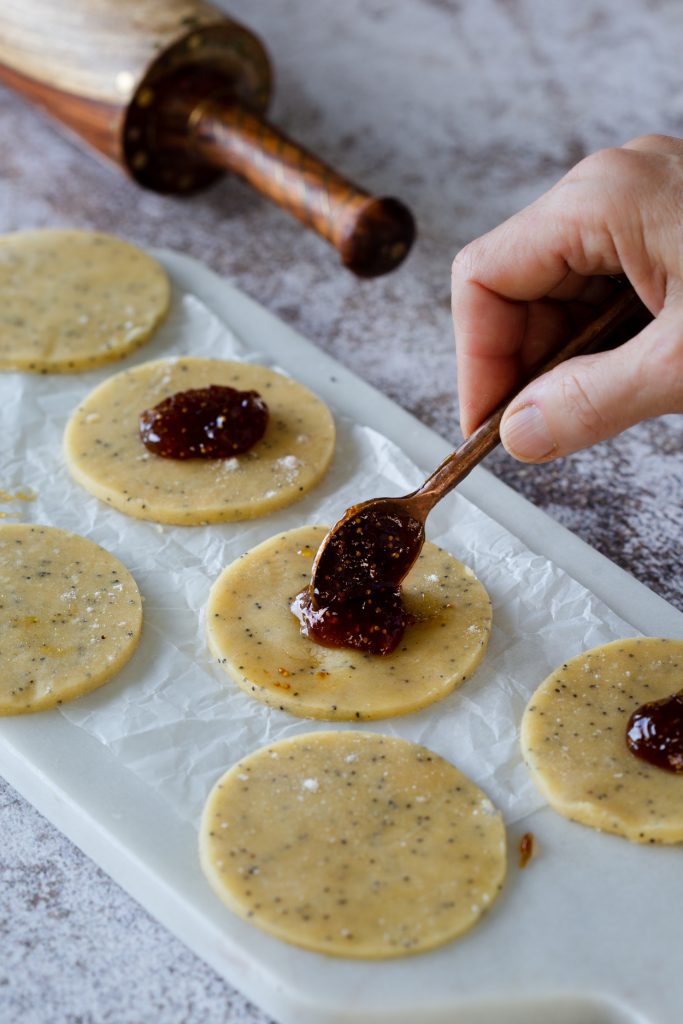
The hamentashen of choice in my husband’s family are my Aunt Carol’s Hamentashen, I always make a big batch of those, but every year I challenge myself to come up a new flavour. I wondered what would happen if I put poppyseed in the dough? I started with the very delicious butter dough from Jake Cohen at the feedfeed and added a heaping tablespoon of poppyseeds.

I have recently become enamoured with this fig jam (it’s killer on a cheese plate), and figured it would make a wonderful pairing with the poppyseed dough.

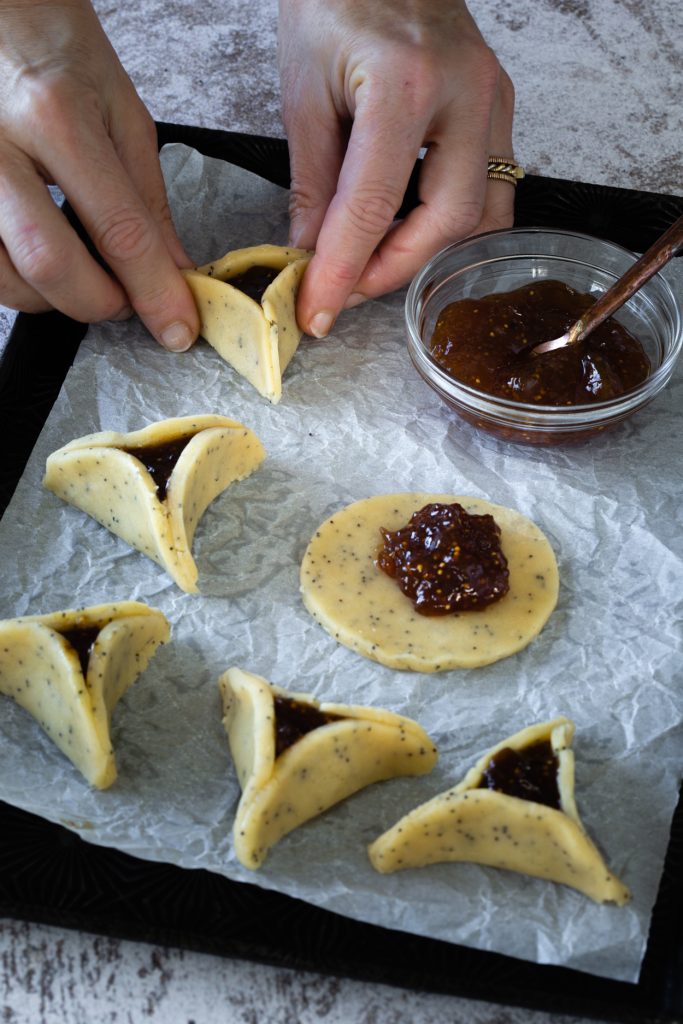
If you’re a Hamentashen novice, here are a few tips for success:

  • Roll dough between 2 sheets of parchment paper and chill before cutting into circles
  • Don’t overfill with jam. You will regret it when they burst open on the oven.
  • Brush edges of dough with beaten egg. it acts as an effective glue to hold them together.
  • Pinch edges and corners really well when shaping.
  • Freeze formed hamentashen for about 10 minutes before baking. They will hold their shape better.
  • Brush unbaked hamentashen with beaten egg white for some shine.

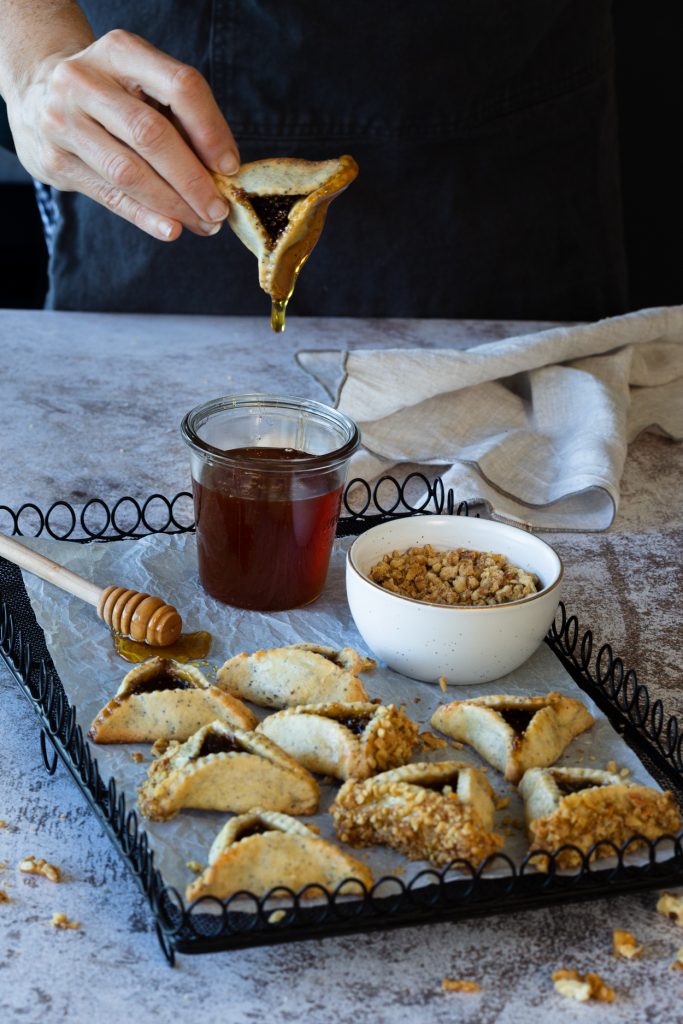
While they were quite delicious plain, I wanted to add an additional layer of texture, so I dipped one side in honey and then into toasted chopped walnuts. The bitterness of the walnuts plays so nicely with the sweetness of the fig jam. Plus, it looks so pretty.