Tag Archives: Challah

Salami Babka

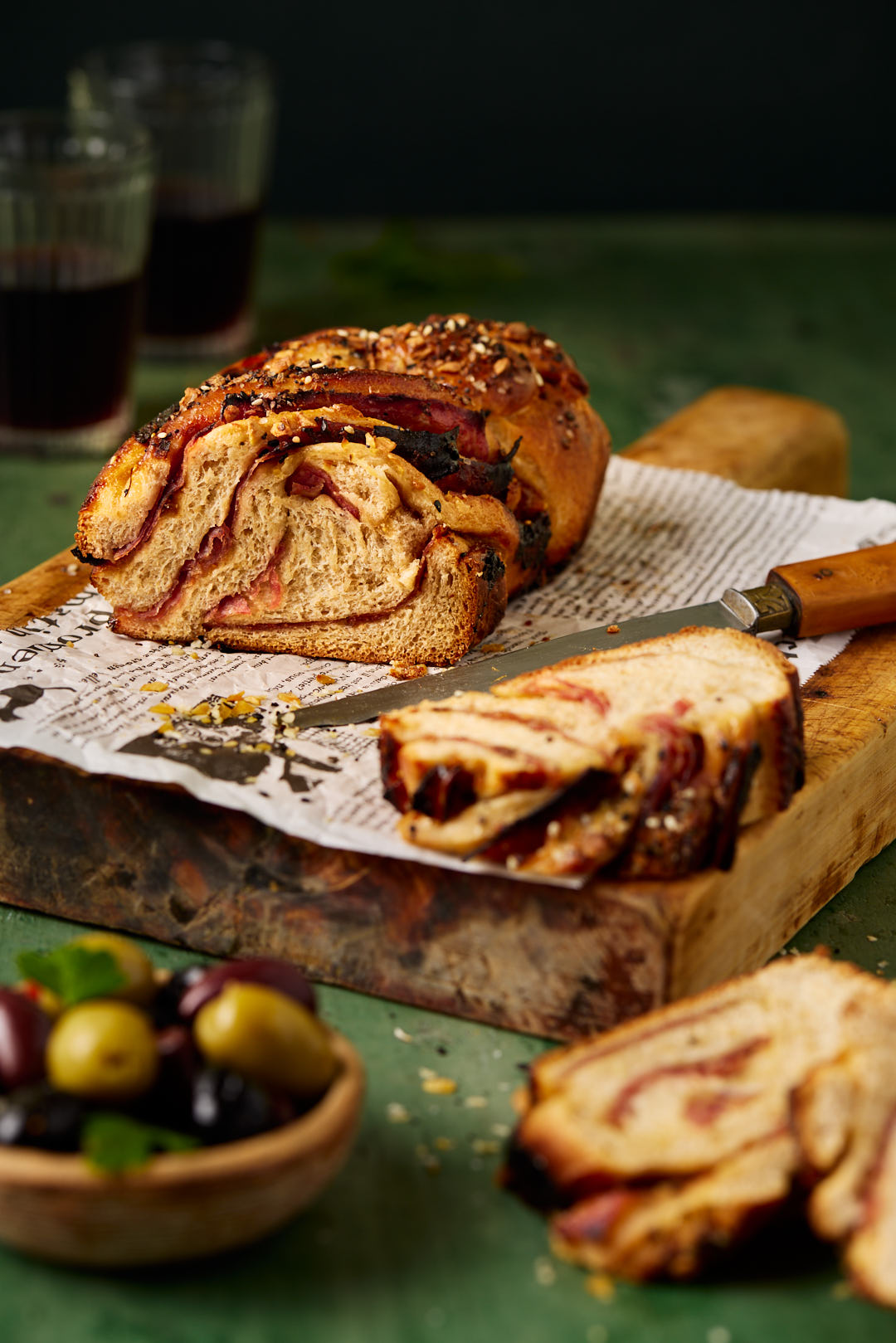
Sweet babkas seem to get all the love — but savoury babka absolutely deserves its moment in the spotlight. This one takes inspiration from the best kind of salami sandwich — only better, because it’s all wrapped up in tender, pillowy challah dough. The filling layers sweet fig jam with spicy salami and a brush of Dijon mustard for tang, twisted into a loaf that bakes up bronzed and glossy, with those irresistible crispy edges of salami peeking through.

The inspiration for this babka goes back to when I first started dating my husband. He brought me to Ottawa to meet his family, and one night, we ended up at his youngest uncle’s place for a backyard BBQ. As an appetizer, he sliced up salami, threw it straight on the grill, and served it sizzling and crispy, ready to dunk into yellow mustard. I was blown away. At the time, I thought this was the absolute height of culinary sophistication. Grilled salami? With mustard? I’d never seen anything like it — and I was thoroughly impressed. Crispy, salty, greasy in the best way… it totally hit the spot.

That memory stuck with me, and years later it became the inspiration for this Salami Babka — a more refined, but no less delicious, tribute to that backyard bite.

Think of it as the ultimate salami sandwich — all dressed up.

Keys to Success to Salami Babka Perfection

  • Chill the logs before slicing. After shaping, freezing the filled logs for 10–15 minutes makes slicing and twisting much easier — the firm dough holds its shape cleanly.
  • Don’t skip the egg wash and bagel spice. Brushing with egg wash gives the babka a beautiful sheen, while Everything Bagel spice adds a crunchy, savoury finish that complements the filling perfectly.
  • Use an instant-read thermometer. For best texture, bake until the internal temperature reaches 195°F (91°C). This ensures the centre is fully cooked without overbaking the crust.
  • Play with flavour. Once you’ve tried this give my Fig, Olive and Halloiumi Babka a try.
    Harissa and olives or sun-dried tomato and za’atar would also be stellar combos.

Serving and Storage Tips

Salami Babka is at its best slightly warm or at room temperature. Serve it as a savoury alternative to traditional challah on a Friday night Shabbat table — it’s sure to spark conversation. It also makes an excellent snack with a glass of wine and a bowl of spiced olives as an aperitivo.

Wrap cooled loaves tightly in foil or an airtight container and store at room temperature for up to 2 days.

For longer storage, you can freeze the shaped, unbaked babka logs after the chilling step — wrap well in plastic and foil, and freeze for up to 1 month. When ready to bake, thaw overnight in the refrigerator, then proceed with final rise and baking.

Baked loaves also freeze beautifully. Wrap tightly and freeze for up to 1 month. Reheat slices in a 300°F (150°C) oven for 5–10 minutes to refresh.
Salami Babka

A savoury twist on babka! This Salami Babka is made with soft challah dough layered with fig jam and spicy salami. Perfect for a Shabbat table, brunch, or as an impressive appetizer loaf. Freezer-friendly too!
Servings 16 slices
Calories 255 kcal

Ingredients
  

Challah Babka Dough

  • 4 grams sugar
  • 1 cup warm water, 115°-120°F
  • 8 grams traditional yeast, (also called active dry yeast)
  • 360 grams all-purpose flour
  • 113 grams honey
  • 6 grams Diamond Crystal Kosher salt
  • 1 large egg, lightly beaten
  • 49 grams vegetable oil
  • 120 grams whole wheat flour

Babka Filling

  • 1/2 cup fig jam
  • 2 Tablespoons Dijon mustard
  • 240 grams thinly sliced salami

Babka Topping

  • 1 large egg, lightly beaten
  • 2 Tablespoons everything bagel spice

Instructions
 

Challah Babka Dough

  • In a 2-cup liquid measuring cup, dissolve 1 teaspoon sugar in 1 cup warm (115° -120°F) water. Sprinkle yeast on top and let stand for about 5 minutes, until yeast gets all bubbly.
  • Make the dough in a stand mixer: Place all-purpose flour, honey and salt in the stand mixer bowl, fitted with the paddle attachment.  Mix briefly to combine.  Pour dissolved yeast mixture into machine and mix for about 1 minute.  Add egg and oil and mix again for about 30 seconds.  Add whole wheat flour and mix on medium-low speed for about 1 minute. Remove paddle attachment and switch to the dough hook. Mix on lowest speed for 10 minutes, until dough is smooth and satiny.
  • Turn dough out onto a lightly floured surface. Knead for a minute and then form the dough into a ball and transfer it to a large oiled mixing bowl. Turn dough until all sides are coated. Cover the bowl with plastic wrap and set aside. Let rise at room temperature for about 60-90 minutes, or until doubled in bulk.  A good test to see if the dough has risen enough is to insert your lightly floured finger to a depth of 1 inch into the dough and see how it springs back. If it springs back quickly and almost entirely the dough is underproofed and needs more time. If the indentation holds its shape the dough is likely overproofed. What you're aiming for is an indentation that springs back slowly and not all of the way.
  • Spray two 8×4 inch loaf pans with cooking spray. Line pans with parchment paper. If you are unsure of the best way to do this, check out this video:

Shape and Bake the Babkas

  • Turn the risen dough out onto a lightly floured counter and divide it in half. Work with one piece of dough at a time; keep the other half loosely covered.
  • Roll out one piece of dough into a 10 x 16 inch rectangle. Spread half of the fig jam evenly over the surface, leaving a 1-inch border along the long edges. Layer half of the salami slices over the jam, overlapping slightly. Spread half the Dijon mustard over the salami slices.
  • Starting with the short edge closest to you, roll the dough into a tight log, pressing gently as you go. Use both hands to even out the roll into a perfect thick cigar. Place the rolled log on a parchment-lined baking sheet, seam side down, and transfer to the freezer for 10–15 minutes to firm up.
  • Repeat the rolling filling and freezing process with the second piece of dough, using the remaining fig jam, salami and mustard.
  • Working with one chilled log at a time, use a sharp knife to cut the log in half lengthwise. With the cut sides facing up, twist the two halves together to form a braid. Carefully transfer the twisted dough to a parchment-lined 8×4 inch loaf pan. Repeat the cutting, twisting, and shaping process with the second chilled log. Cover both pans loosely and let rise until puffy, about 45–60 minutes.
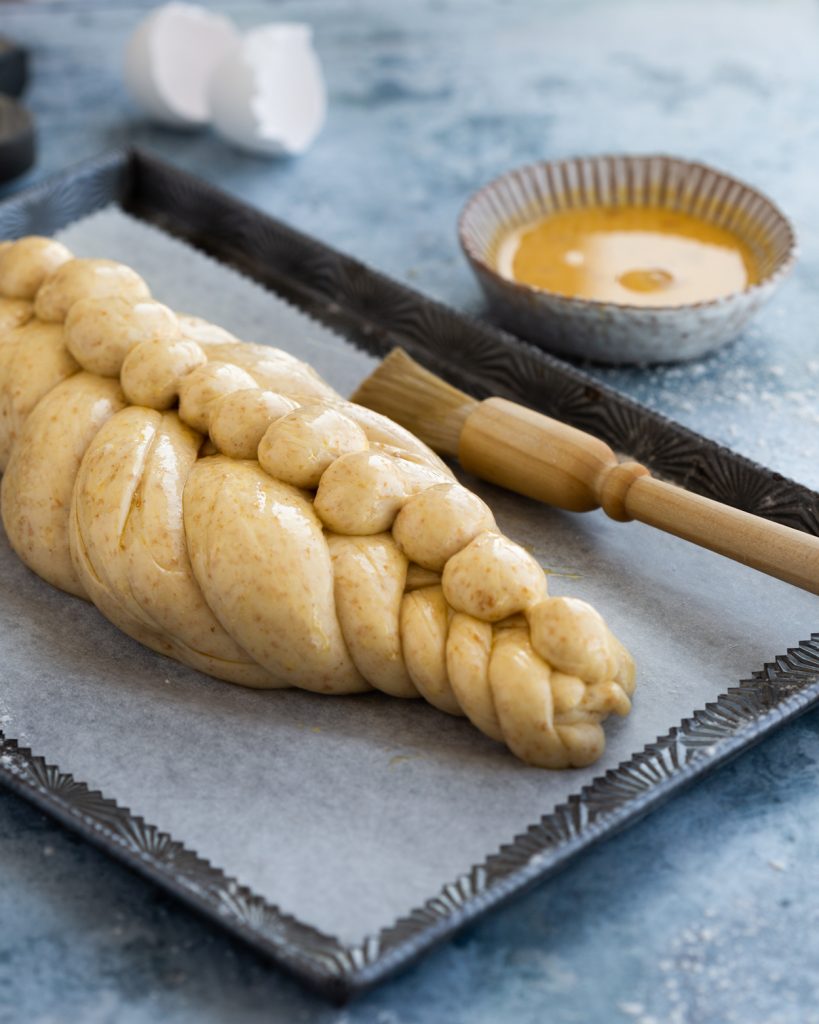
  • Preheat the oven to 350°F (180°C). Brush the tops of the loaves with beaten egg and sprinkle generously with Everything Bagel spice. Bake for 20 minutes minutes and check to see how quickly the top is browning. If it is getting too dark, cover loosely with foil until the loaves are deep golden brown and the internal temperature reaches 195°-200°F. (91°-93°C) Cool in the pans for 15 minutes, then transfer to a wire rack to cool completely before slicing.

Notes

I like to bake these in a smaller loaf pan, measuring 8×4 inches. If you only have 9×5 inch pans, that will also work, but your loaves will not rise as high.
Salami Babka is at its best slightly warm or at room temperature. 
Wrap cooled loaves tightly in foil or an airtight container and store at room temperature for up to 2 days.
For longer storage, you can freeze the shaped, unbaked babka logs after the chilling step — wrap well in plastic and foil, and freeze for up to 1 month. When ready to bake, thaw overnight in the refrigerator, then proceed with final rise and baking.
Baked loaves also freeze beautifully. Wrap tightly and freeze for up to 1 month. Reheat slices in a 300°F (150°C) oven for 5–10 minutes to refresh.

Nutrition

Calories: 255kcalCarbohydrates: 34gProtein: 8gFat: 10gSaturated Fat: 3gPolyunsaturated Fat: 3gMonounsaturated Fat: 4gTrans Fat: 0.02gCholesterol: 35mgSodium: 518mgPotassium: 138mgFiber: 2gSugar: 10gVitamin A: 36IUVitamin C: 1mgCalcium: 25mgIron: 2mg
Tried this recipe?Let us know how it was!

And here’s a little bonus I discovered: leftover slices of Salami Babka are absolutely incredible toasted. Just pop a slice into the toaster or throw it on the grill for a minute or two. The edges get crispy, the fig jam caramelizes a little, and the salami takes on that same irresistible sizzle I first fell in love with. It’s the ultimate snack upgrade — and proof that this babka is just as good the next day (if you’re lucky enough to have leftovers).
Black and White Seeded Challah

I intended to share this gorgeous challah with you about a month ago, but right after baking and shooting it, I got sick with a respiratory virus that knocked me out for most of April. I went for three COVID tests over 10 days and they were all negative, so it wasn’t that, but some other gem I somehow picked up. Four weeks in and I’m still coughing and tired but starting to feel better. Hope you’re all doing well.

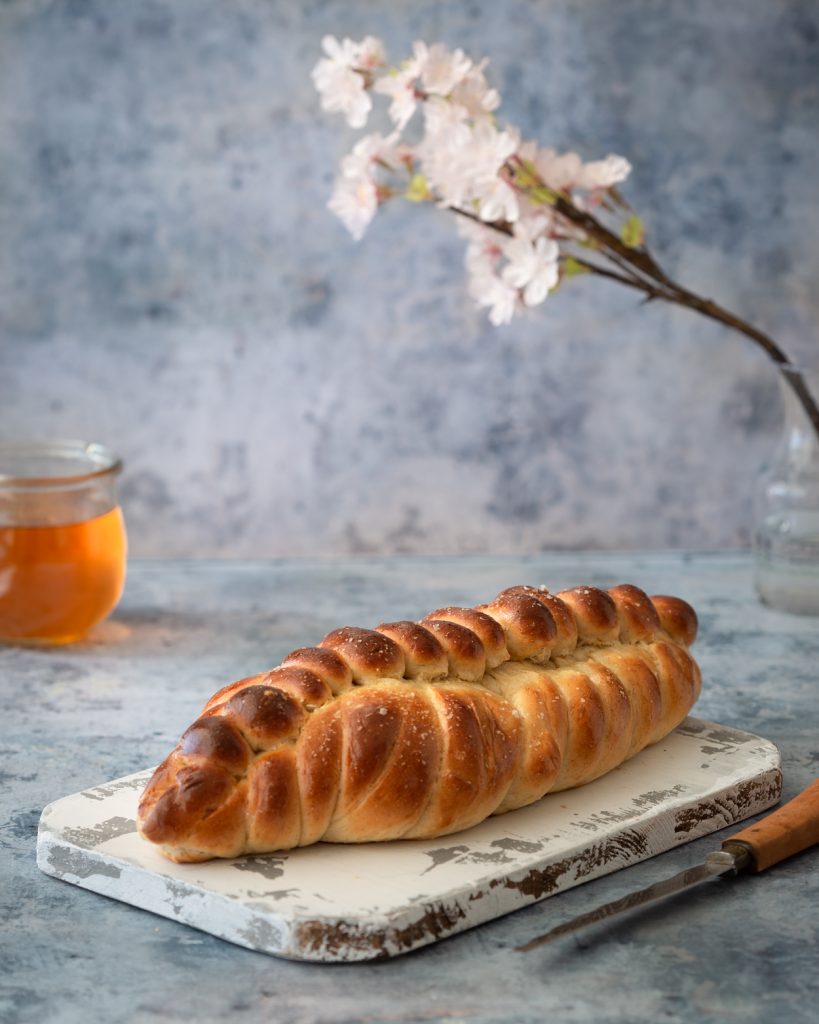
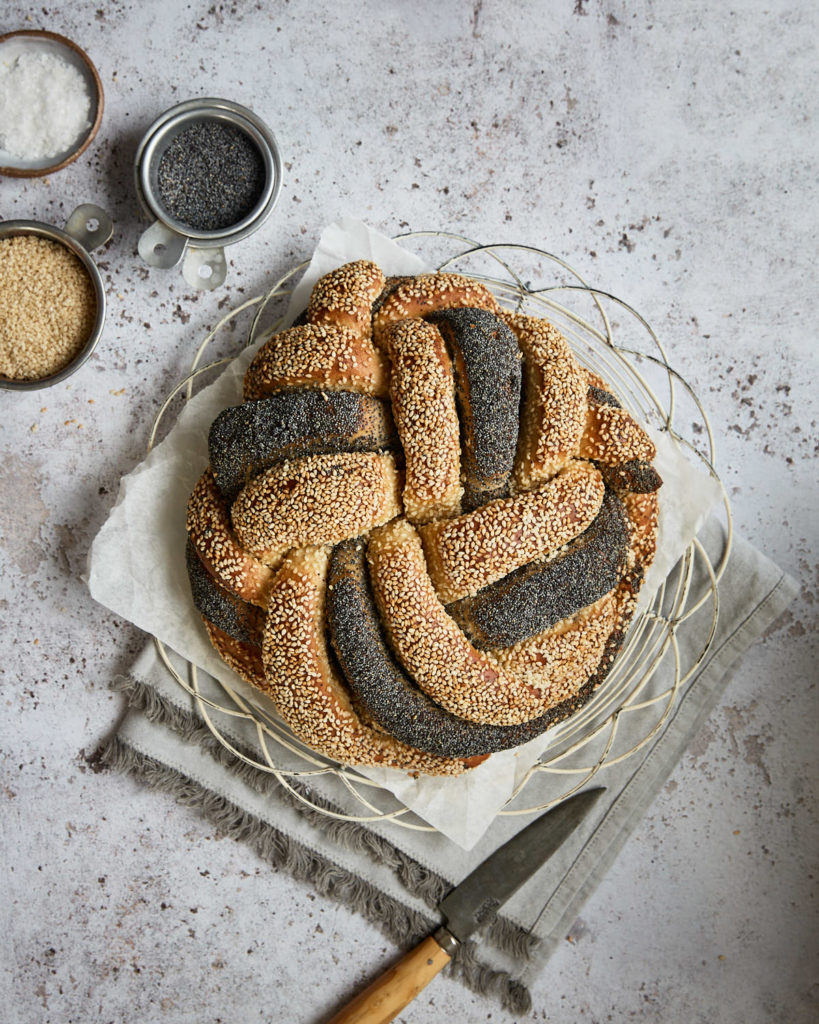
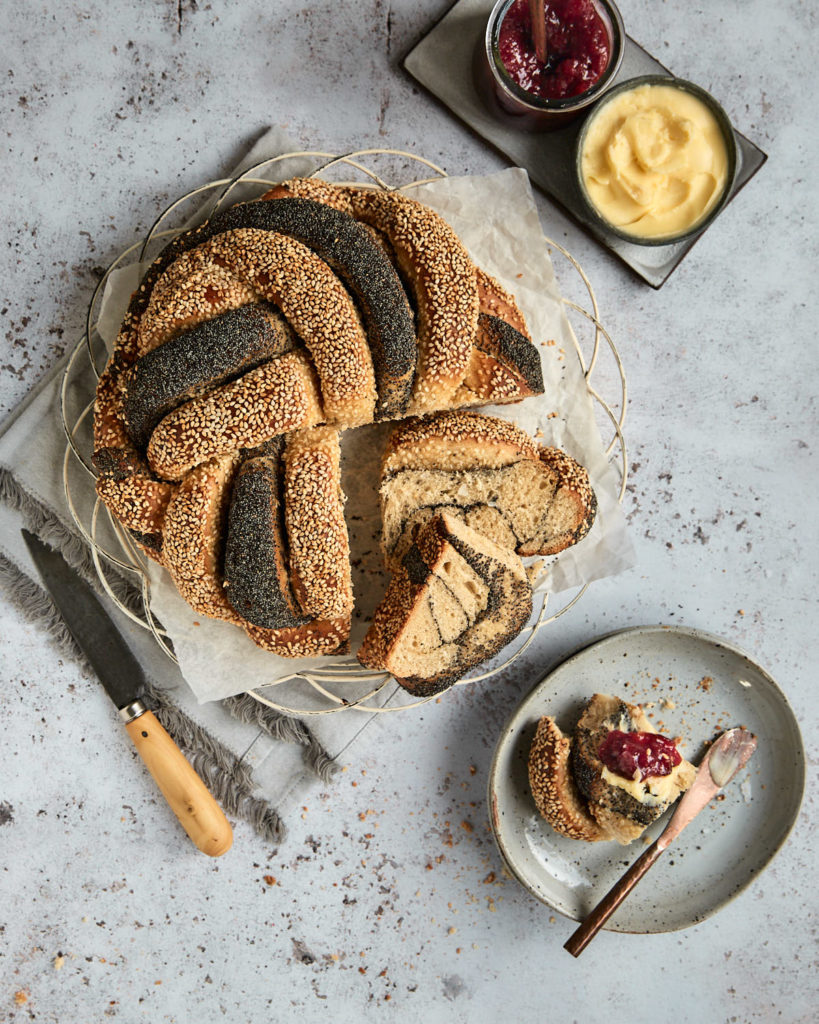
When I first saw this 12 strand Black and White seeded challah on the Instagram feed of @misspetel, I was mesmerized. She is an insanely creative Tel Aviv based food blogger. For years, I have been baking the same 3 braid challah every Friday and it was getting a bit boring. It was time for me to upgrade my challah baking skills.

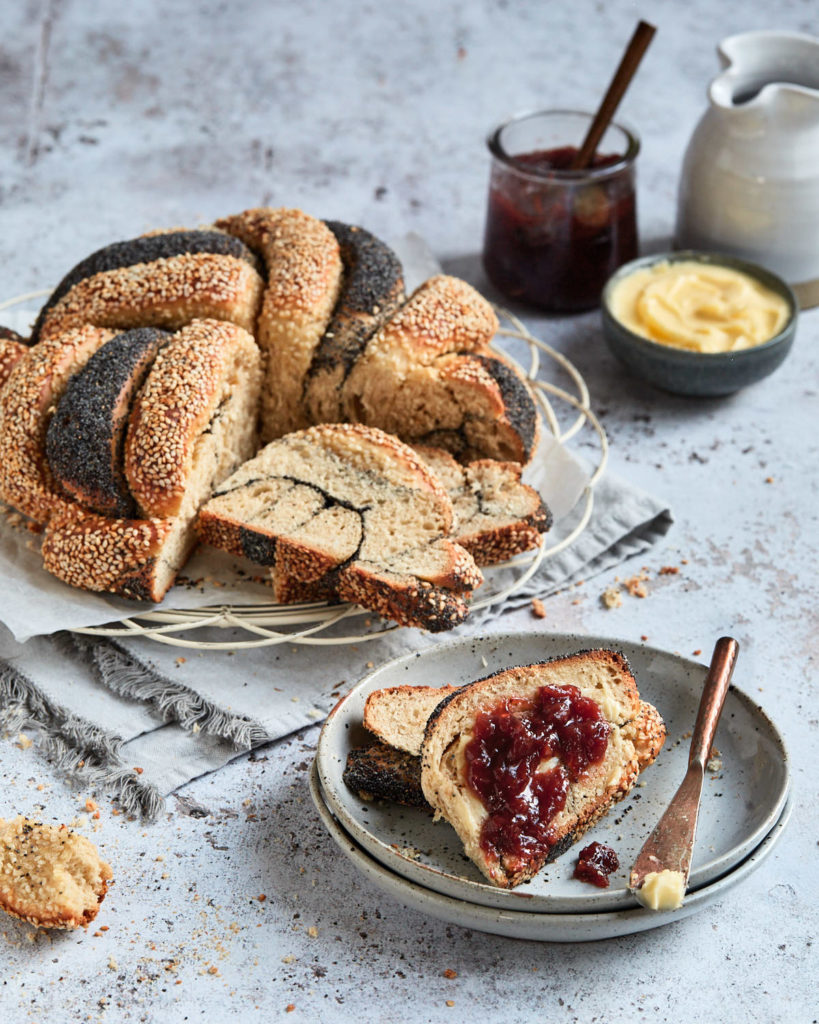
I’m not going to lie, you will be sweeping up poppy and sesame seeds for a few days after baking this, but the results are so worth it. The braiding looks complicated, but it’s really quite simple. I created a video for you to watch and see how it it all comes together.

I learned the shaping technique in the above video from a little e-book called “My Favourite Braids” from the talented German baker Katharina Arrigoni. Check out her Instagram account @besondersgut She’s a braiding wizard. The e-book is a great resource if you’re keen to learn more. The e-book is a great resource if you’re keen to learn more.

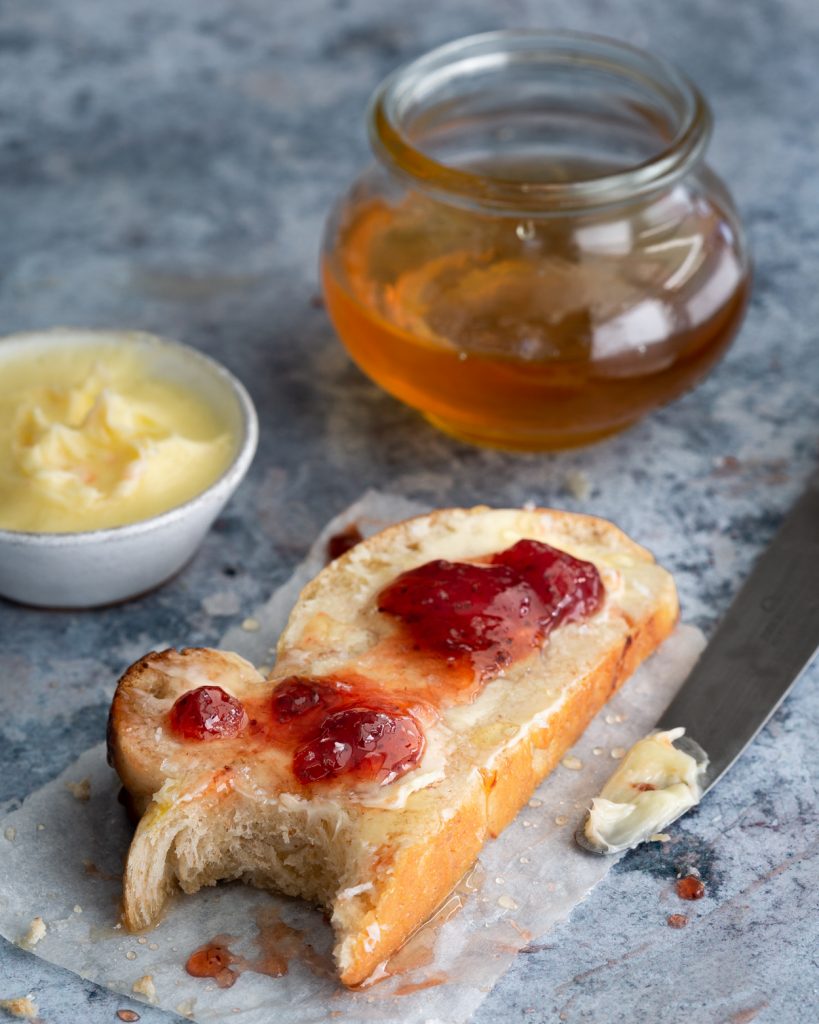
Slicing into the challah yields a beautiful swirly pattern of seeds and adds a great crunchy contrast to the pillowy soft bread. It’s a very impressive presentation. The best part is leftover challah on Saturday morning, slathered with butter, sour cherry preserves and flaky sea salt.

I hope you’ll try baking this one. It’s become a favourite at our house. Take a picture and send it to me if you bake it.

Challah with Pearls

This week I’m wavering between a state of anxiety and denial. It feels like we are in the middle of a Margaret Atwood dystopian novel, but, make no mistake, COVID-19 is very real.

I hope everyone is staying safe and healthy and taking all the necessary precautions. Like most of my virtual friends, I’m staying in and baking. It helps me keep the anxiety at bay. There is even a hashtag for it, #stressbaking (over 22,000 posts on Instagram!). While I haven’t been hoarding toilet paper and Purell, I will admit to having a healthy stock of butter in my freezer. But that’s not because of the pandemic. I regularly have at least 8 pounds of butter in the freezer at any given time.

I have been wanting make this 5-strand braided challah for quite a while now. The inspiration comes from Katharina of the brilliant Instagram account @besondersgut. She is a bread goddess. I used my favourite challah recipe (2/3 all-purpose flour and 1/3 whole wheat) and her braiding and shaping technique. She calls it “Challah Chapelet”. I looked up the translation for chaplet, and discovered it means prayer beads, specifically, rosary beads. I thought it might be a bit sacrilegious to top my Shabbat challah with rosary beads, so my working title is, “Challah with Pearls.”

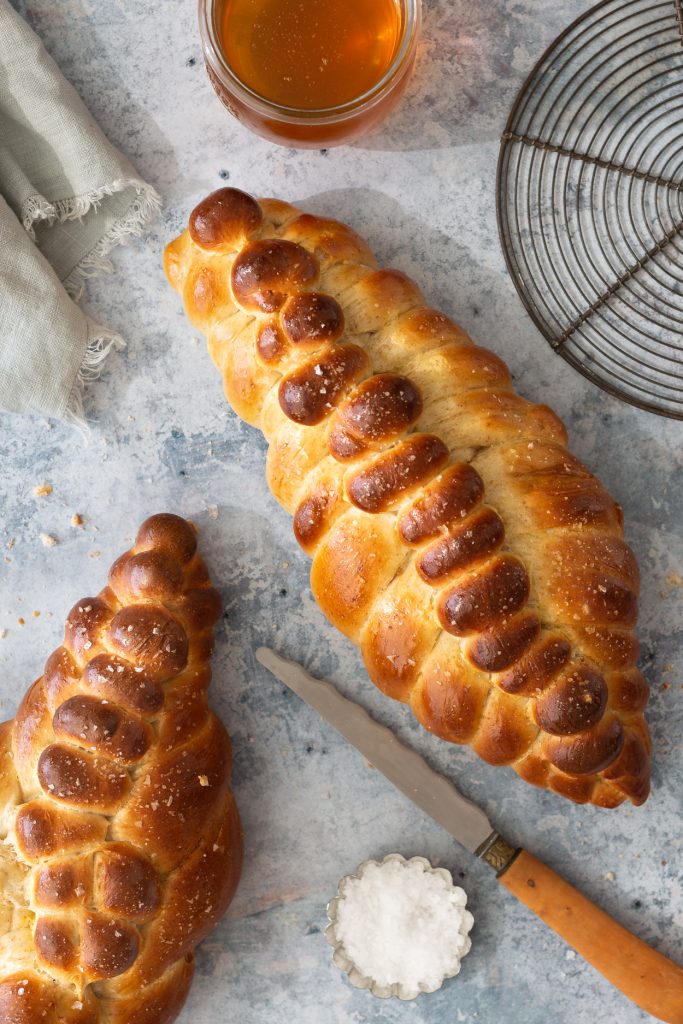
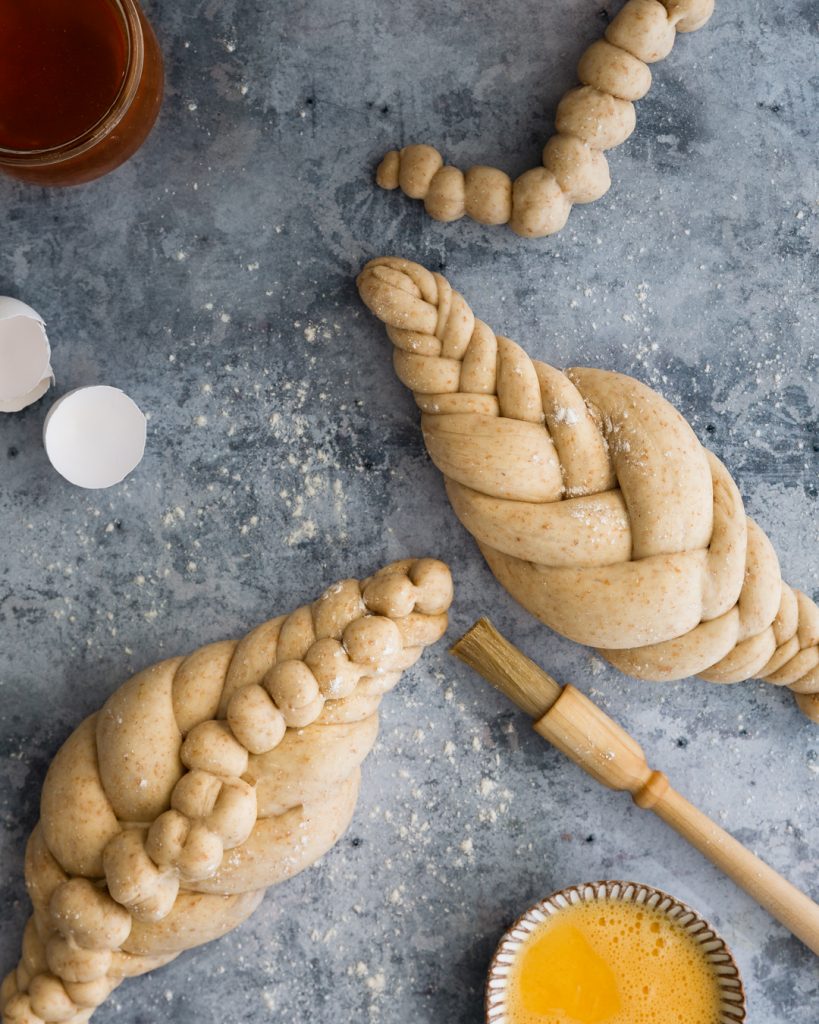
The shaping technique is actually very easy. The base is a 5 strand braid, which is one of the simplest to do. Once braided, you turn a 6th strand into a “string of pearls.” Check out the video I made.

I was really thrilled with the results. I baked 5 challahs on Sunday and by the fourth I was fairly proficient with the shaping.

Any leftover challah is delicious for breakfast with butter, jam and honey.

Apple and Honey Challah Twist

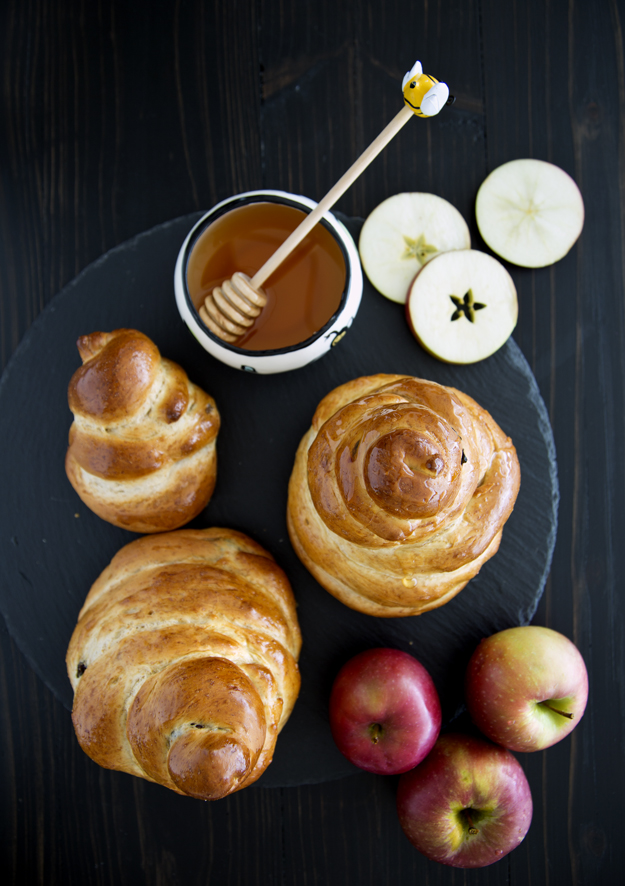
Rosh Hashanah, the Jewish New Year, is just a few weeks away. It’s traditional to dip apples in honey, to symbolize our desire for a sweet year ahead. In my desire to be efficient and practical, I thought it would be a brilliant idea to bake my honey and apples right into the challah. I have been hard at work the past two weeks, figuring out just how to achieve that.

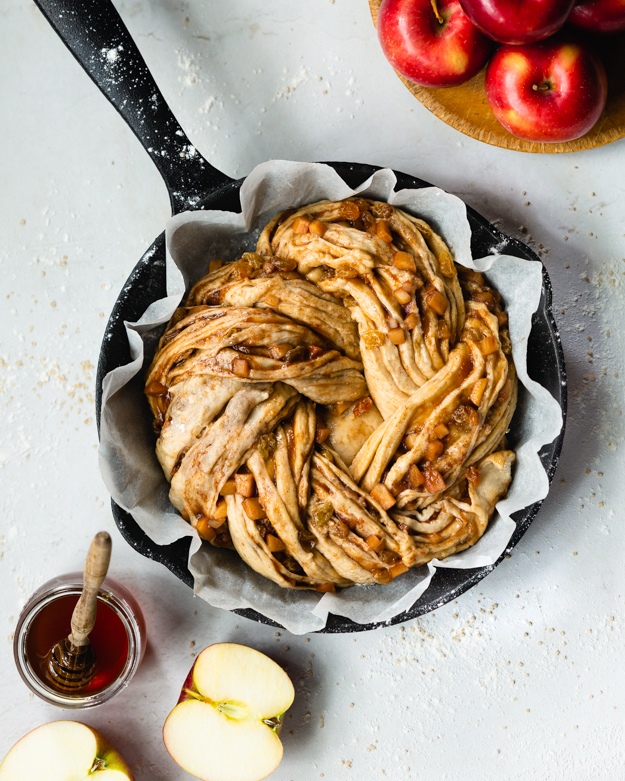
My starting point was my favourite challah dough. On Rosh Hashanah, challah is round, a circle without an end, to symbolize our wish for a year in which life and blessings continue without end. I was inspired by cloudykitchen’s Mixed Nut and Dulce de Leche Brioche Knot. Her clever twisting method was perfect for Rosh Hashanah.

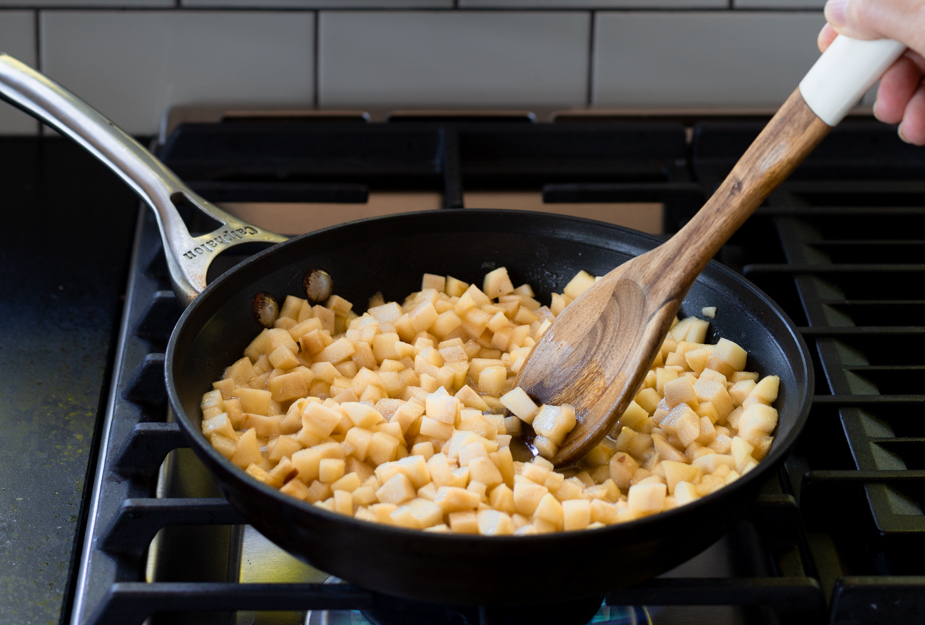
After baking 5 versions of apple and honey challah, I believe I have nailed it. My husband, my chiropractor and my UPS man were happy to eat my experiments. None were a total fail, but there were a few issues along the way. The first hurdle to overcome was how to add the apples. Raw apples leached too much moisture into the challah, and made for a soggy bread. Sauteeing them first, solved that problem.

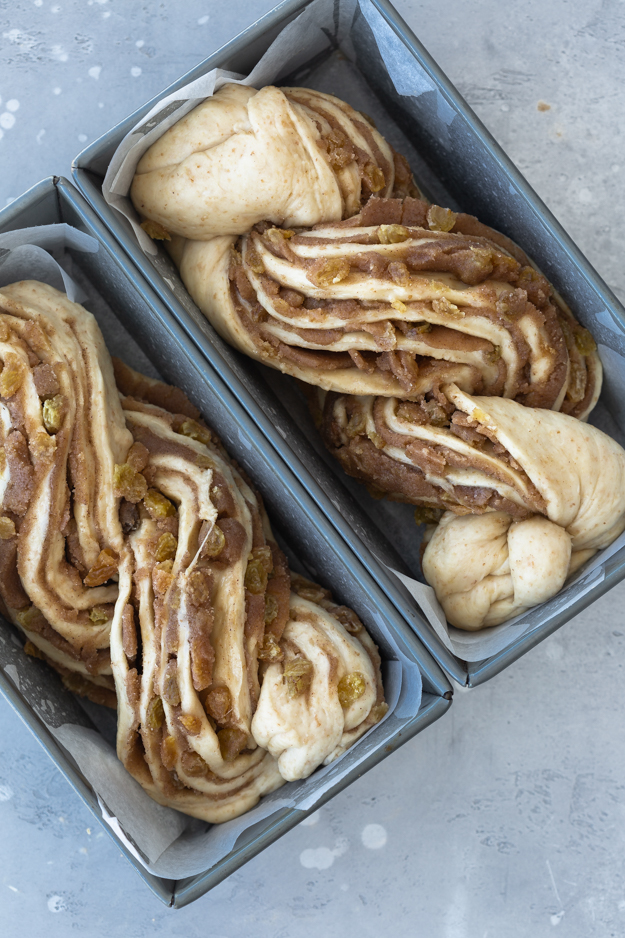
The apple flavour was kind of muted in the finished bread. In order to amp up the apple volume, I spread the dough with a thin layer of apple butter. Apple butter is simply very concentrated applesauce. There is actually no butter in it, only apples. It’s tangy and really packs a wallop of flavour. Some brown sugar, cinnamon and golden raisins provided a perfect counterpoint for all that zingy apple flavour.

Check out my video to see how it all came together.


Any leftover bread makes amazing toast the next morning. It’s a perfect way to segue gently from summer into fall. I’m not quite ready for pumpkin, but I will happily embrace apples in any form.

Challah Babka (Babkala)

It’s been almost two weeks since I last posted. Lest you think I was slacking off, please be assured that I have been hard at work perfecting the babkala for you. While this mashup is not quite as well known as the cronut, it is most assuredly very delicious. I do believe that making 8 loaves of babkala in 10 days, qualifies me as something of an expert on the subject. With each attempt, I tweaked the recipe just a bit to improve it. I had many eager taste testers to help me on my journey. I do believe that my UPS delivery man has a bit of a crush on me now.

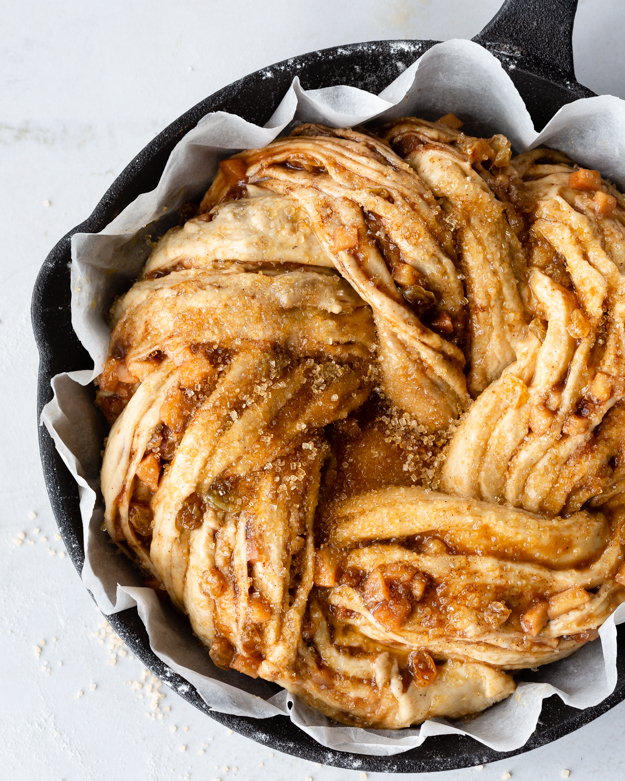
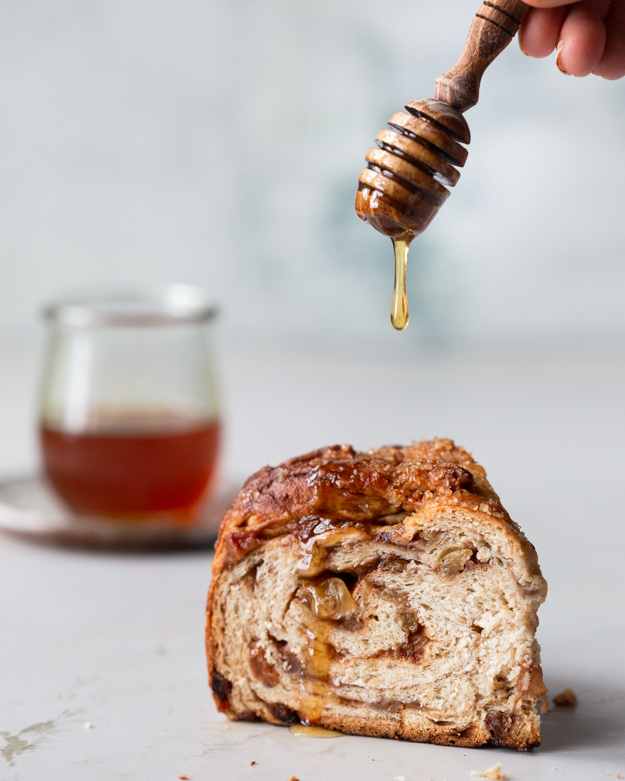
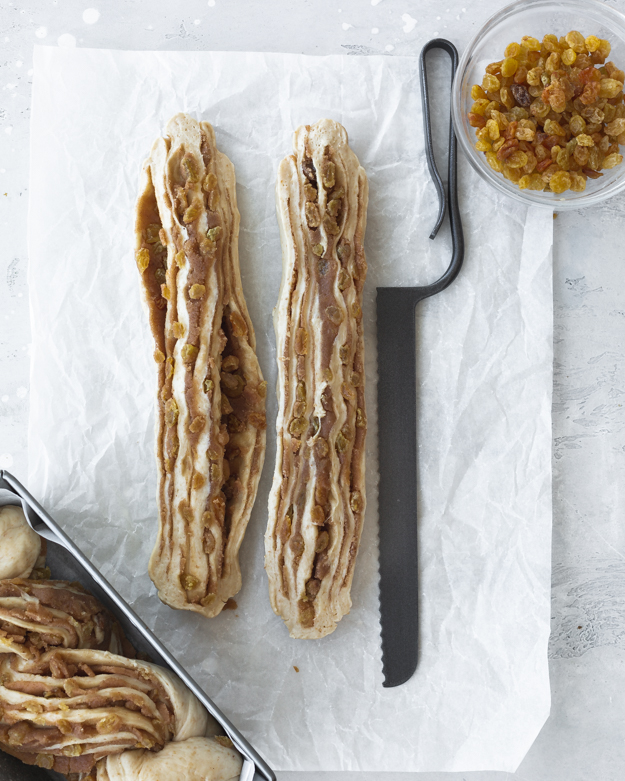
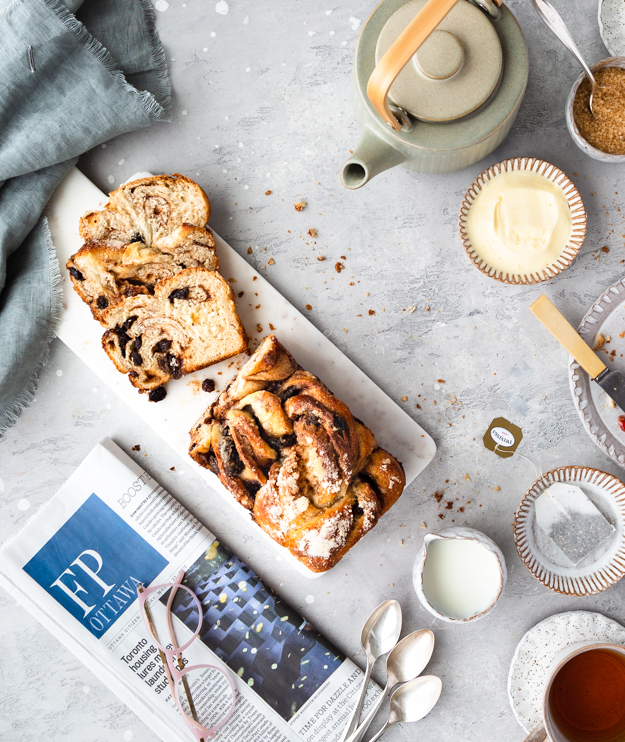
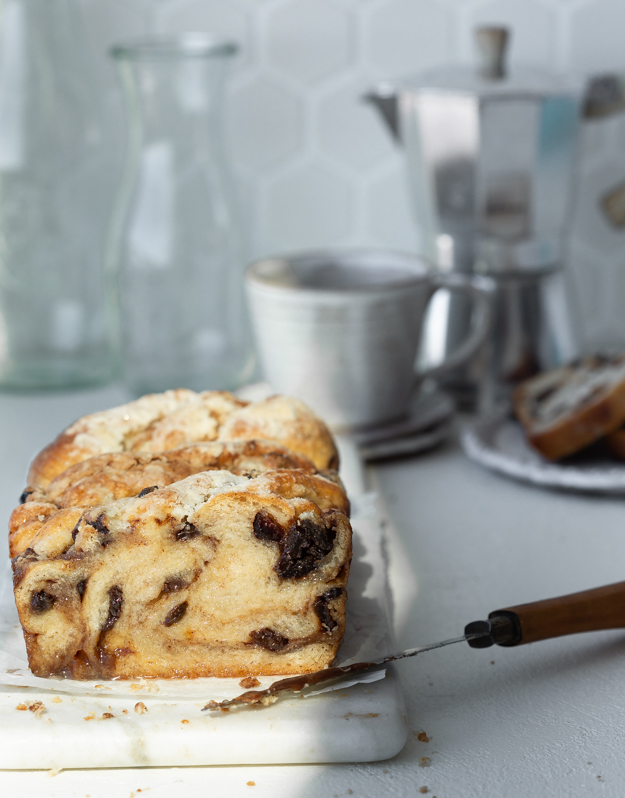
A traditional babka is made with a brioche dough, which is essentially a sweet yeast dough enriched with butter and eggs. I decided to forgo the brioche dough and just used my regular challah dough instead. I rolled out the challah dough and blanketed it with a buttery brown sugar and cinnamon spread and dotted it with raisins. The dough was rolled up, sliced and then twisted into loaves.


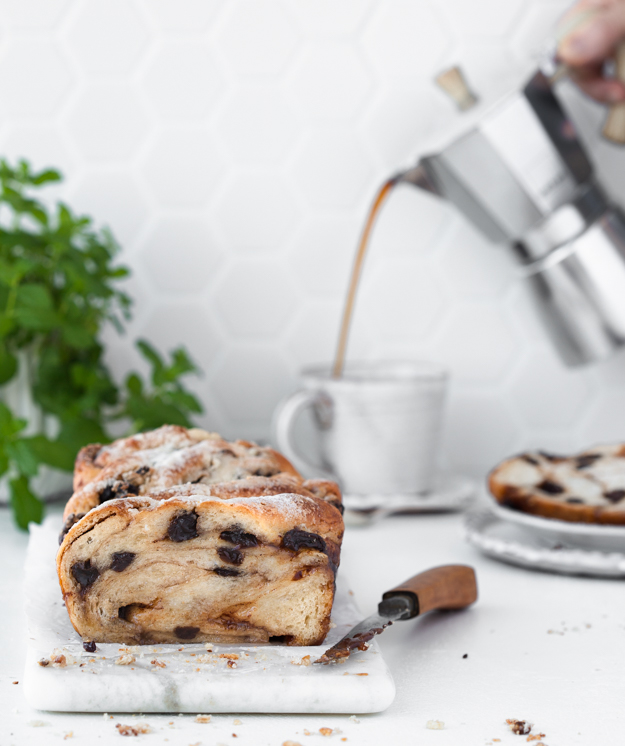
While some consider a cinnamon babka to be the lesser babka, I respectfully disagree. But if you must, you could fill yours with chocolate. I won’t judge. This is not really meant to be a Friday night challah. It’s more of a breakfast or brunch treat for a Saturday or Sunday morning. Or even a Tuesday afternoon. I have sampled it almost every day of the week, and trust me when I say it’s always amazing.


Bee Hive Challah

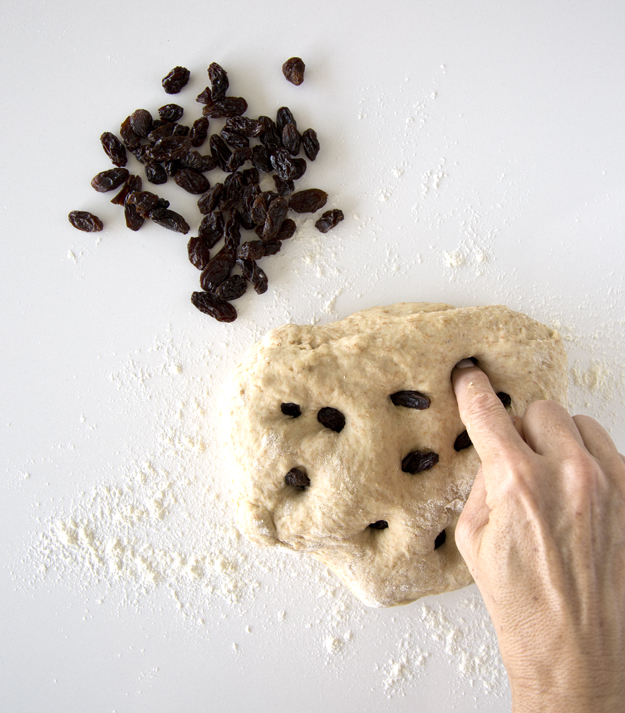
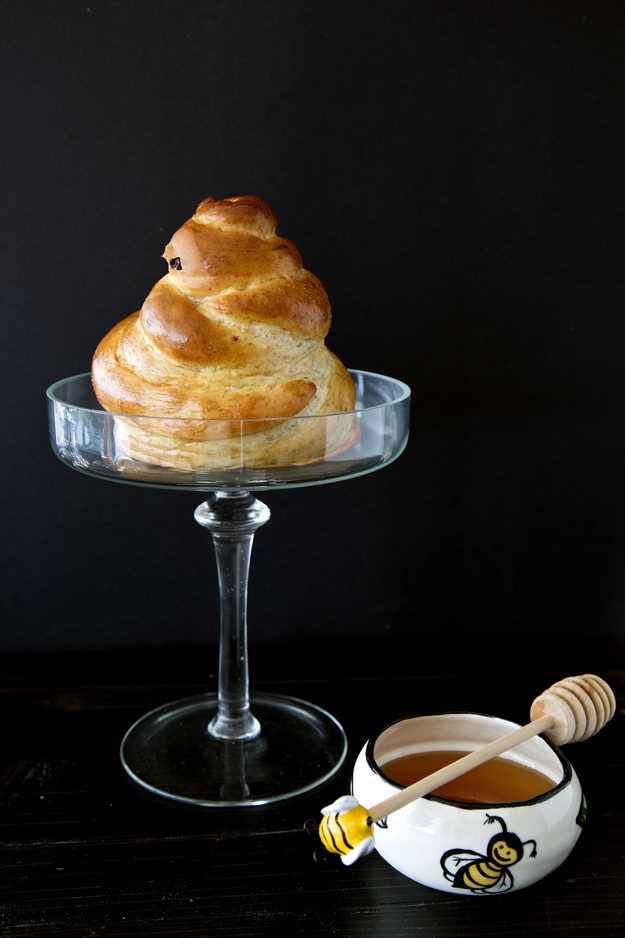
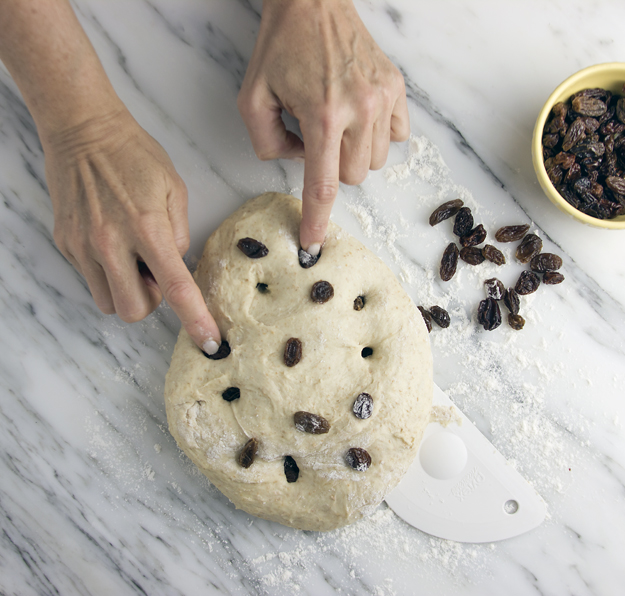
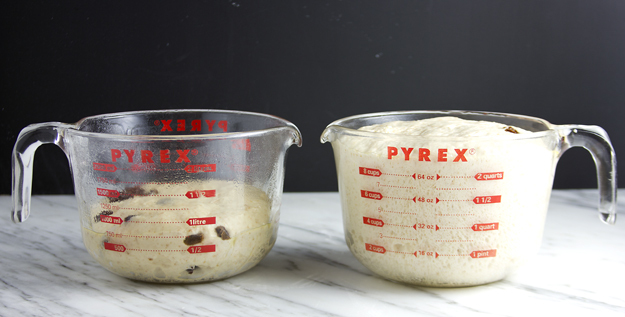
drizzle 1Tonight is the start of Rosh Hashanah, the Jewish New Year. Last week I created an apple beehive. It was adorable and very delicious. At around 4 am this morning, a vision of a challah beehive popped into my head. If I could build a beehive made out of apples, why not challah dough? apples and honey and challahI made my regular challah dough and pressed some raisins into it. It’s not a holiday challah without raisins. All you raisin haters can leave them out. poke in the raisins The dough needs to rise to double in size. it will take about 90 minutes. before proofingafter proofing

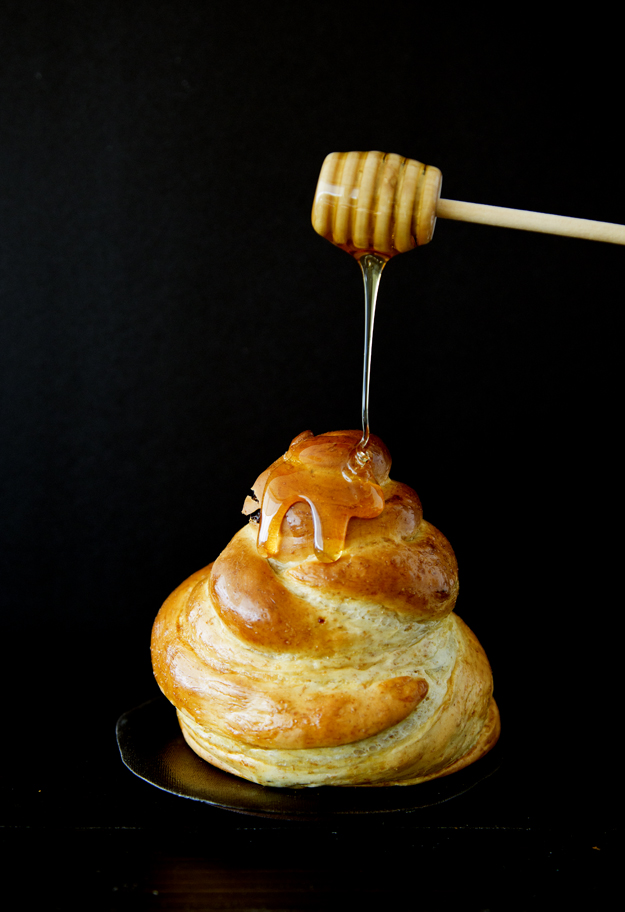
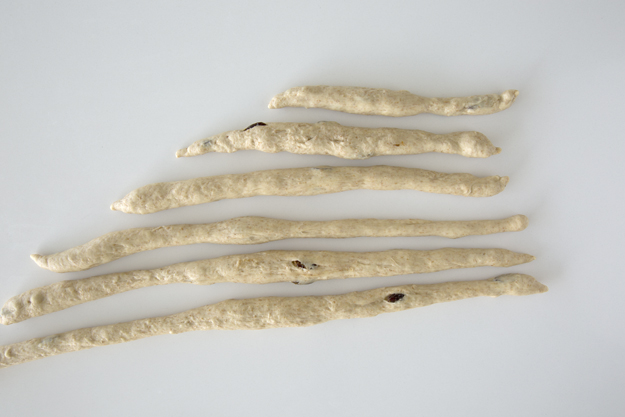
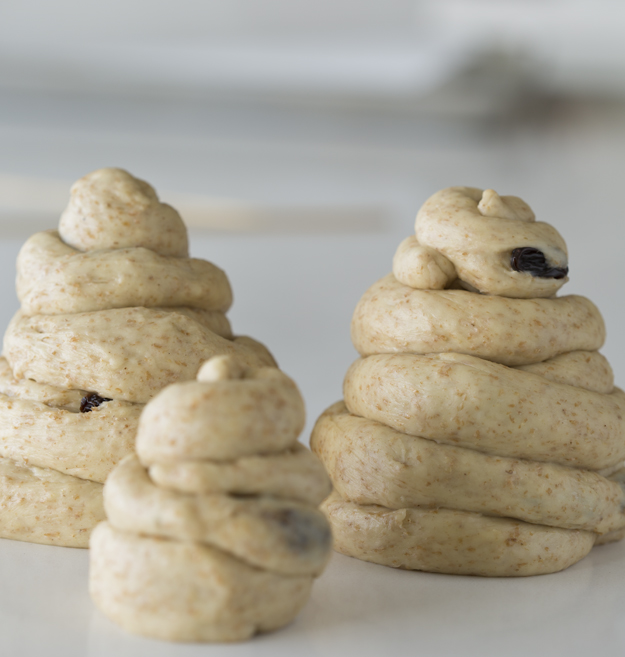
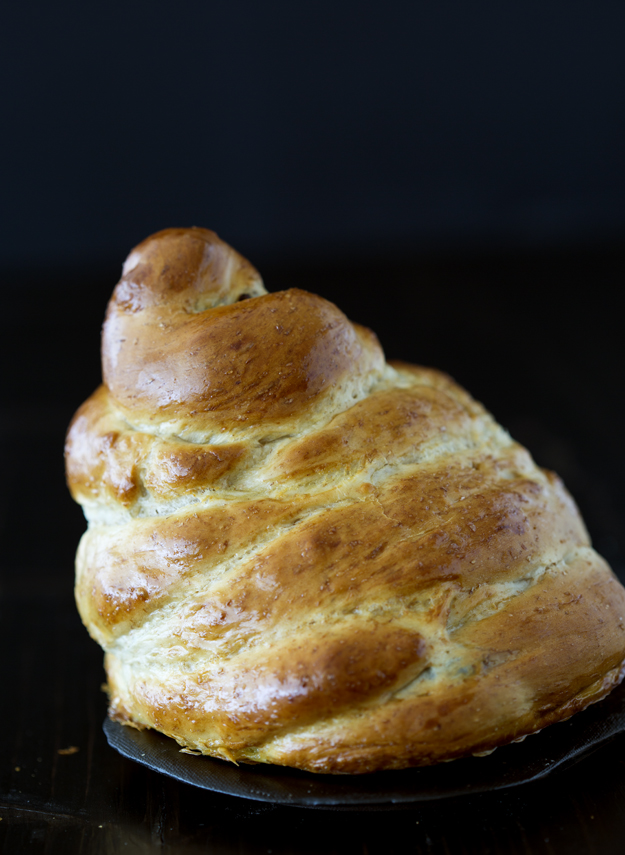
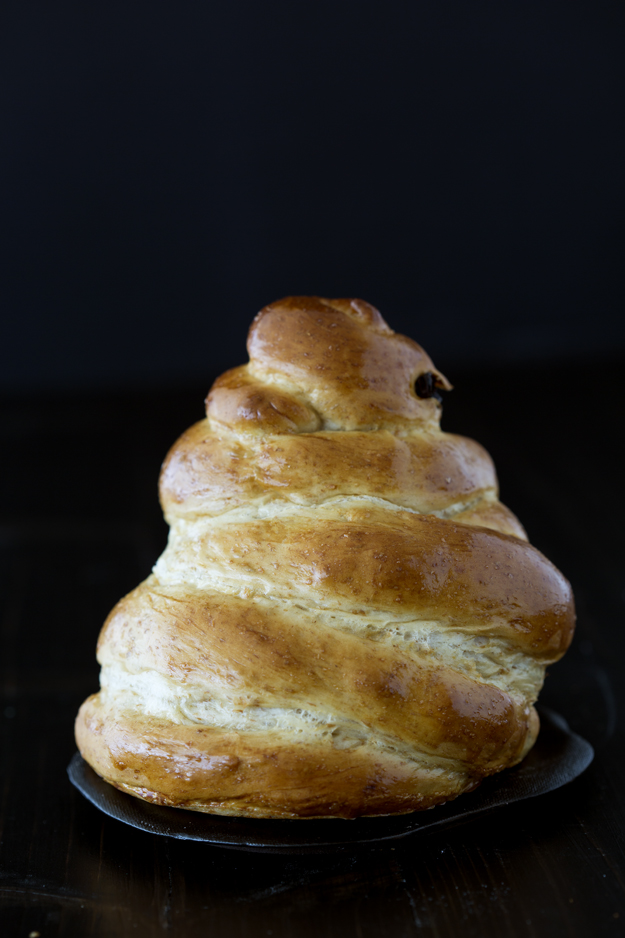
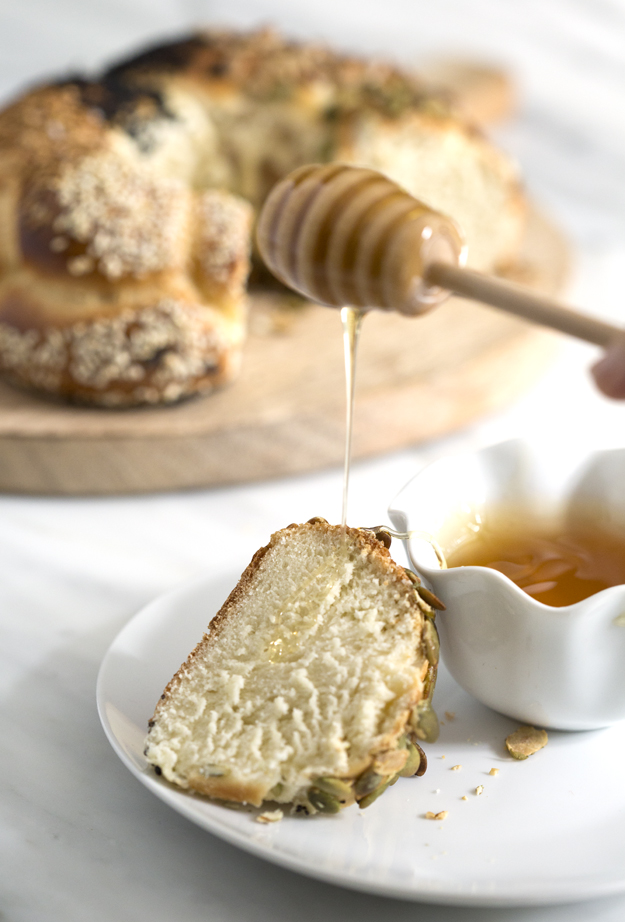
I decided to make mini beehives so I divided my dough into 3 and then made 6 ropes, each slightly shorter than the one before it, from each piece of dough. ropesThey looked quite pretty before baking, although they were leaning slightly. I let them rise for about an hour and then I gave them a gentle brushing with egg. I decided to leave them plain, without any topping so you could see the definition of the beehive.before bakingI’m not quite sure what happened in the oven, perhaps a hurricane blew through here, but they weren’t quite so beehive shaped after baking. bee hive 2One of them was a bit straighter, but not quite a perfect beehive. Perhaps we shouldn’t mess with Mother Nature.bee hive 1With a drizzle of honey, they were delicious. Wishing you all a Shana Tova. Sweet, Healthy and Happy New Year!challah 1 with honey


“Everything” Holiday Challah

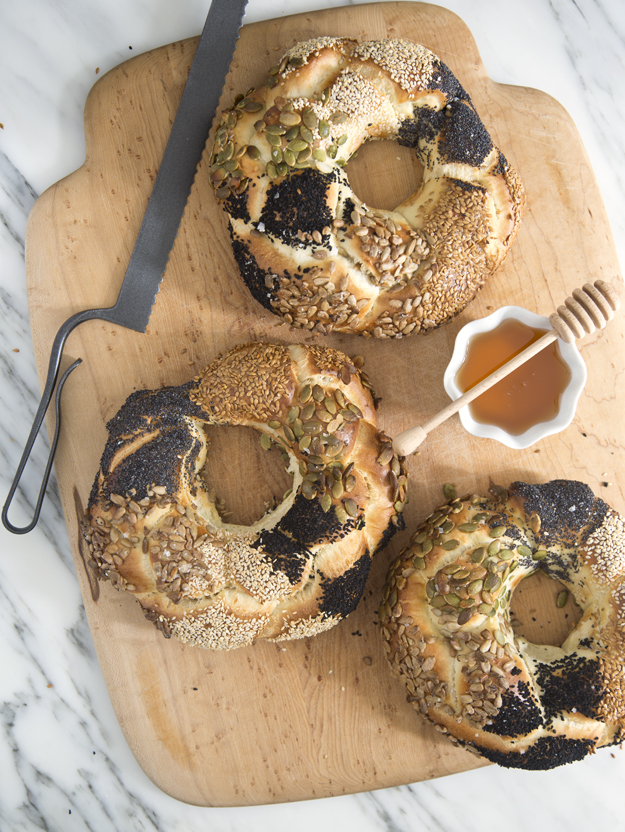
3-challahs-on-wooden-boardI have been making the same holiday challah for at least 15 years now. Everyone in the family loves it and looks forward to it. It’s possible I risk a mutiny if I dare to bake a different recipe. Yet, when I saw this challah in Uri Scheft’s book “Breaking Breads” I was enchanted. It looked like an everything bagel! I had to make it. Since Rosh Hashanah doesn’t start until Sunday night, I decided to do a test run for Friday night dinner at my son’s house.

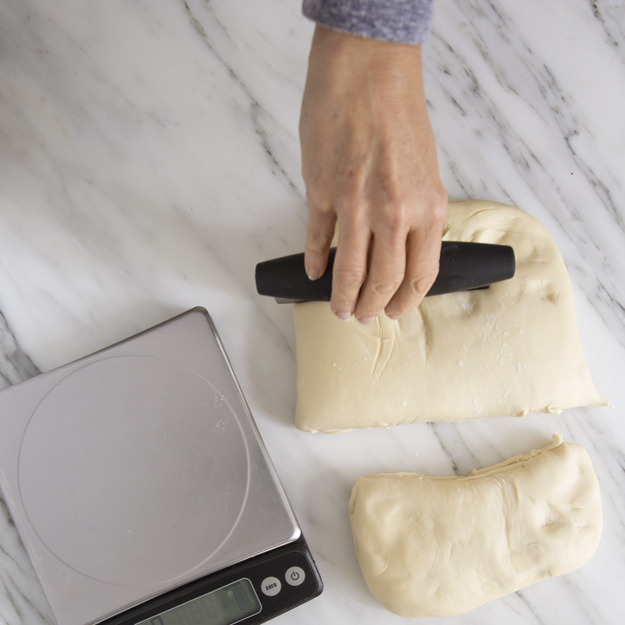
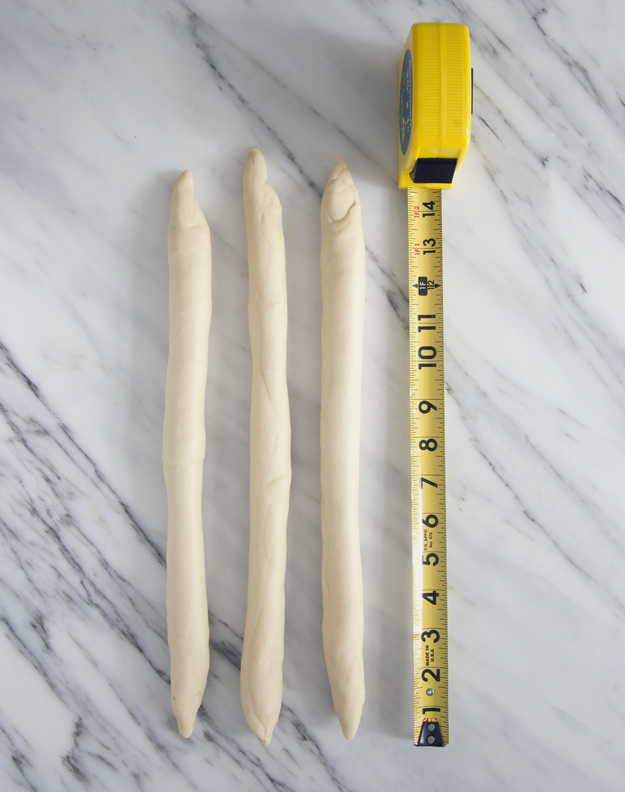
Uri’s dough is much leaner than mine. Mine contains more eggs and oil. One recipe uses a kilogram (7 cups) of all-purpose flour. It’s enough to make 3 small challahs. A scale will be your best friend for dividing the dough. divide-into-3Each piece of dough gets further divided into 3 pieces and rolled out into 14 inch ropes.14-inch-ropesI like to start my braid in the center and work out toward both ends. Braid loosely. if the braids begin to stick to each other, give them a light dusting of flour. Wrap the braid into a circle, with a hole in the center. I found attaching the ends a bit challenging. I just sort of squeezed them together. Cover the challahs and let them double in size.

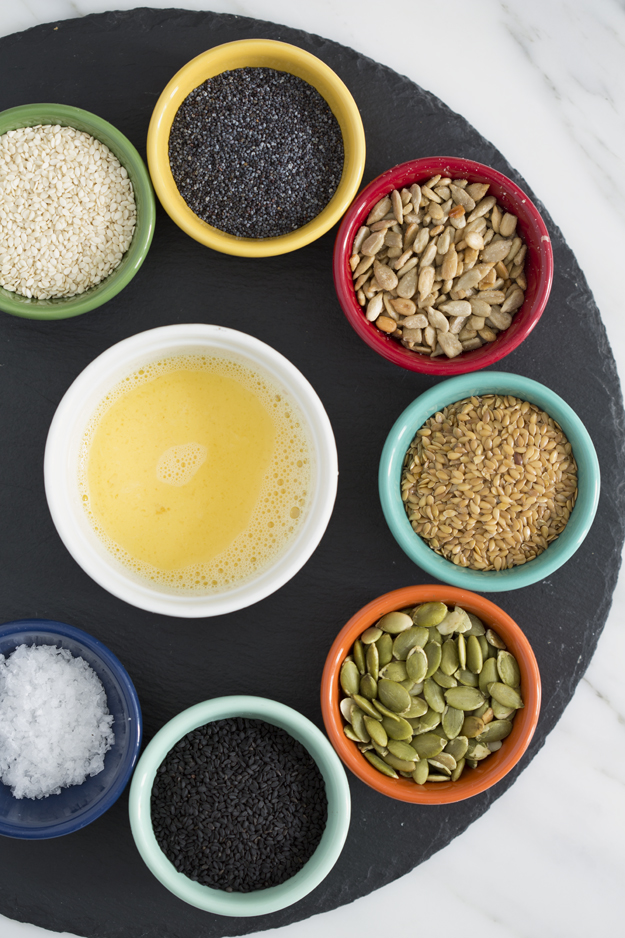
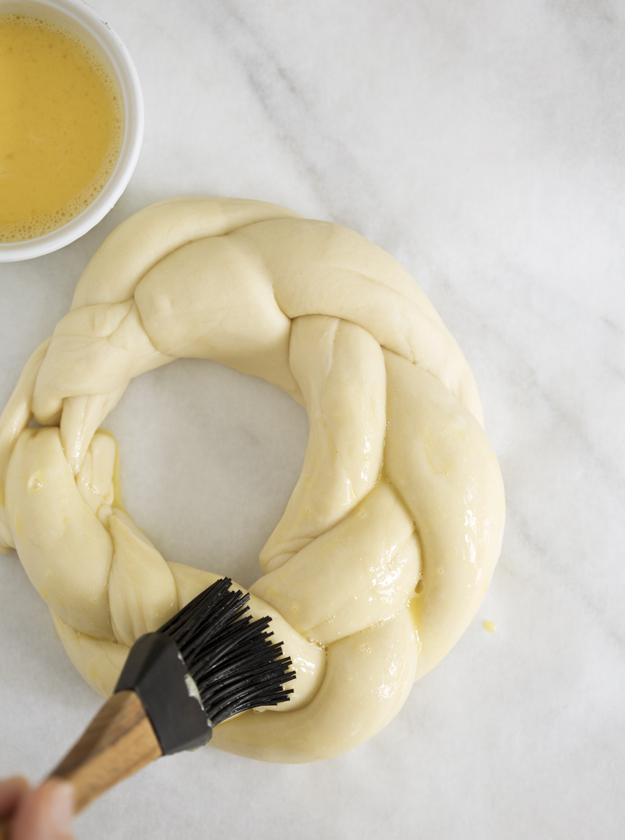
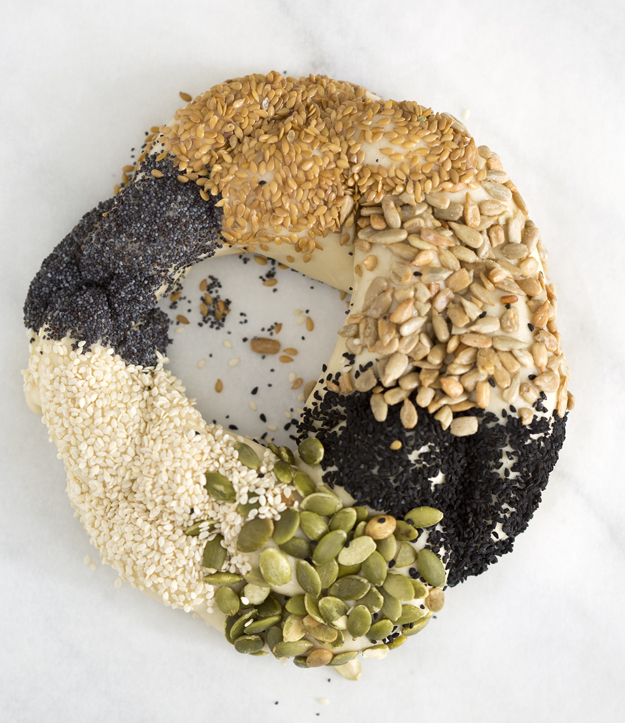
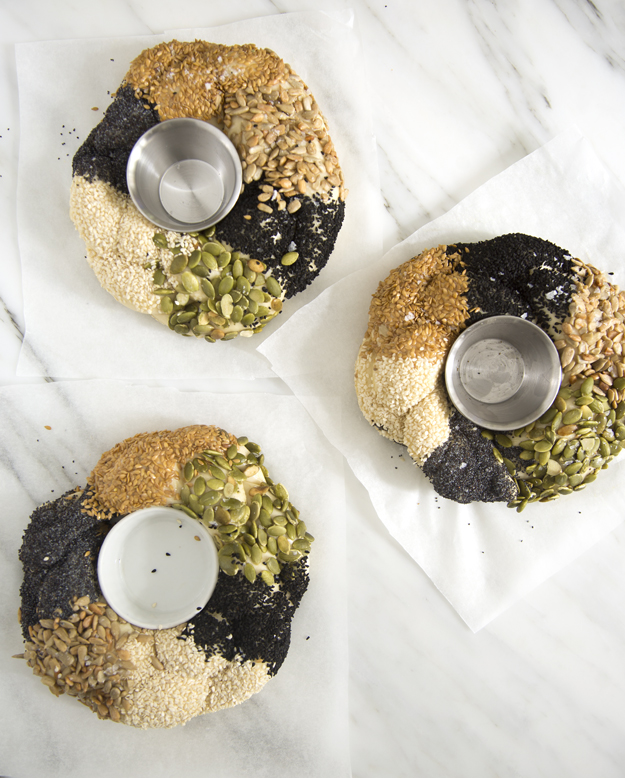
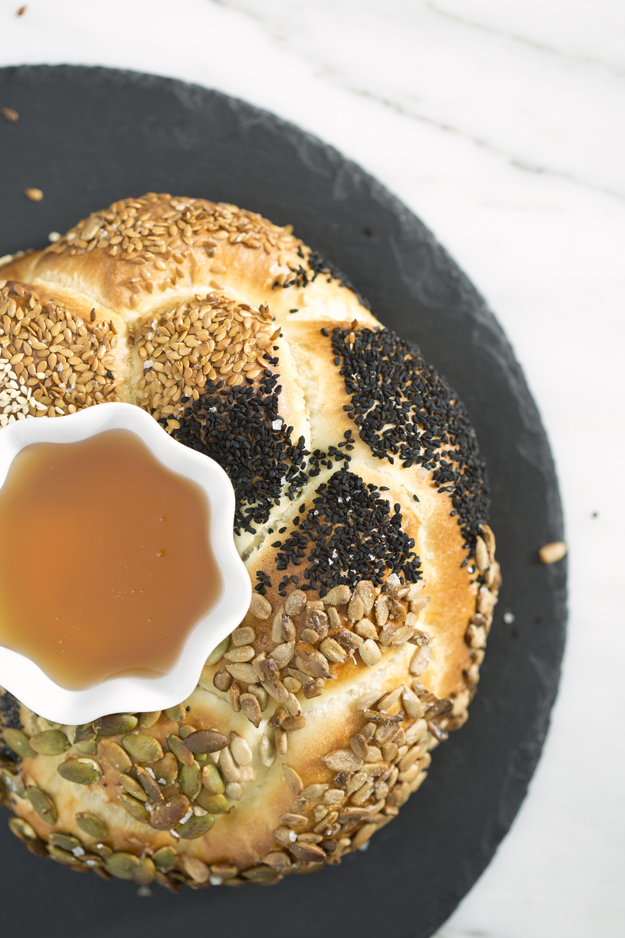
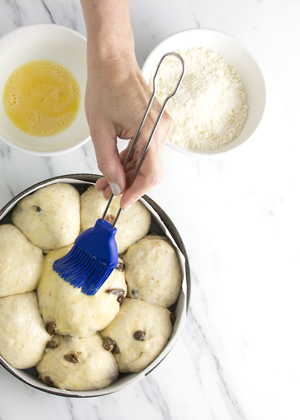
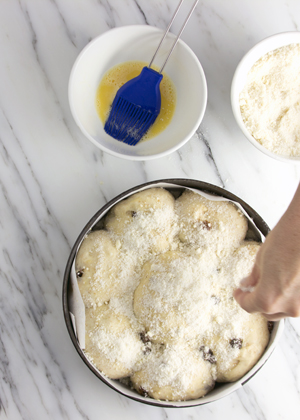
Now comes the fun part. Get all your toppings ready. I used sesame seeds, poppy seeds, sunflower seeds, golden flax seeds, pumpkin seeds and nigella (black onion) seeds. I finished it off with a scatter of maldon sea salt flakes. toppings Brush the braid with egg.brushing-with-eggHave fun with the toppings.looks-like-an-everything-bagelInsert a small ovenproof bowl in the center so that the hole does not get filled in when dough bakes.ready-for-ovenBake at 400°F for about 25 minutes. Let cool before serving.

Serve with honey in the middle for dipping.baked-with-honey-in-cernterOr serve the honey on the side for drizzling. a-drizzle-of-honeyThis challah dough is much denser than mine.A very different, but delicious challah experience. It really did remind me of an everything bagel. They are just so freaking adorable. We took a vote and decided to make both kinds of challah for our Rosh Hashanah lunch on Monday. I’ll let you know what everyone says!

Click here to print recipe for Everything-Holiday-Challah.

Rosh Hashanah Round Challah

a slice with honey 2FHaving baked over 1000 loaves of challah in my life, I think it’s fairly safe to say that I know a thing or two about this Friday night Shabbat dinner staple. 51 weeks of the year, I make a simple 3 strand braided challah covered with a crumble topping. (If you want to be really humbled, check out Rivka Malka Perlman’s you tube video, where she braids 6 strands! That is punching way above my weight!)  However, one week each year, for Rosh Hashanah (the Jewish New Year) , I make a round challah. The round challah of this holiday symbolizes continuity and the endless cycle of life.

My challah recipe has not changed in over 8 years. The dough recipe comes from my friend Margo and the topping, crafted from sugar, flour and butter (or margarine), comes from my sister’s cousin’s friend, Elaine. As far as I know, Margo and Elaine do not know each other, but I am sure if they met, they would become great friends as the marriage of their recipes is a beautiful and delicious thing to behold.

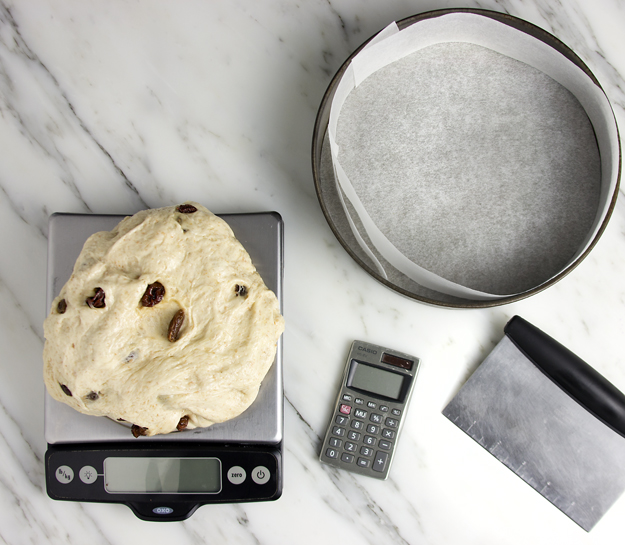
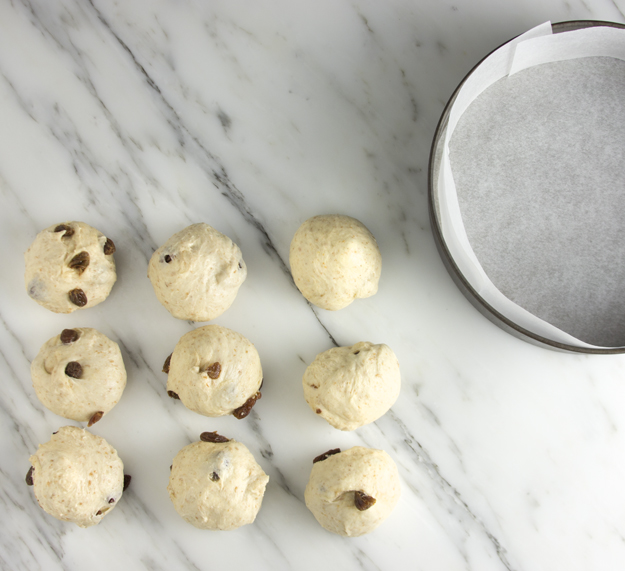
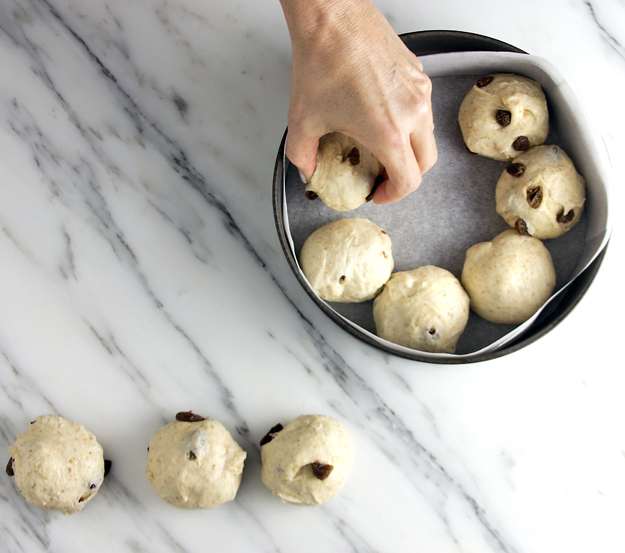
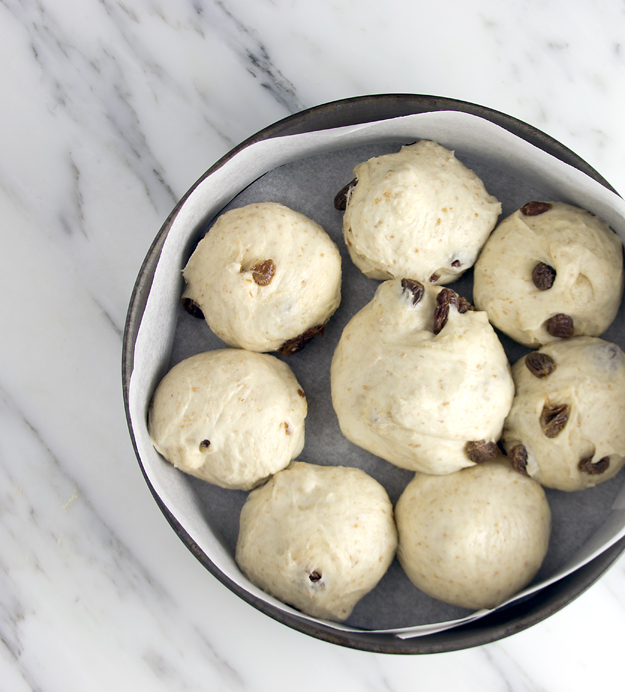
The dough uses 2:1 ratio of white to whole wheat flour. I love the nuttiness that whole wheat adds to the finished bread. l make the dough on Wednesday or Thursday, cover it and put it in the fridge until Friday morning. The slow rise in the fridge really helps to develop the flavours of the bread. And, as a bonus, there is less to do on Friday! We always add raisins to our challah, you raisin haters can leave them out. mise en placemixing doughI remove the dough from the mixer and push the raisins in by hand. They are more evenly distributed this way.poking in raisinsThe dough will double in about 90 minutes on the counter at room temperature, or you can cover and refrigerate for up to 48 hours.proofing doughIf you are making a round challah, a kitchen scale will make your life much easier. if you have ever been on Weight Watchers, then you have a scale lurking in the back of a cabinet somewhere. use a scaledivide by 9assembleready for second rising

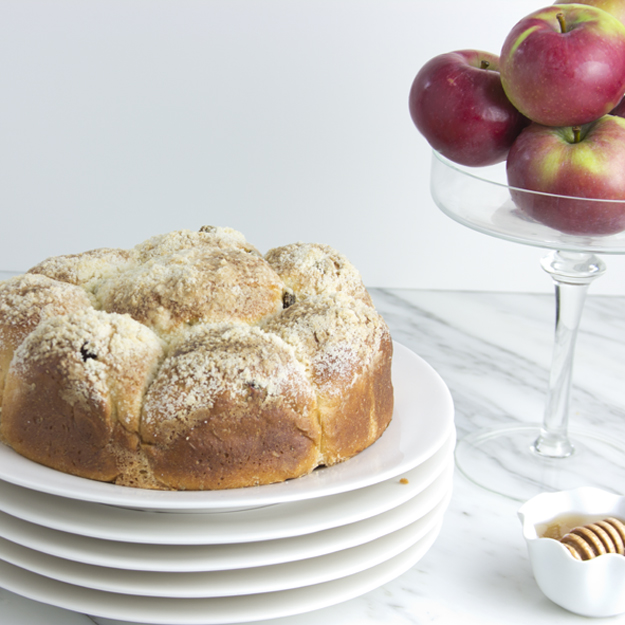
egg washsprinkling toppingA slice of this, drizzled with some honey is a very sweet start to the New Year. L’Shana Tova.round with apples 2 625 sq

Click here to print the recipe for Rosh Hashanah Round Challah.

Check back later this week for a clever, beautiful and very delicious new idea on how to serve apples and honey!


Challah Monkey Bread and Goldilocks

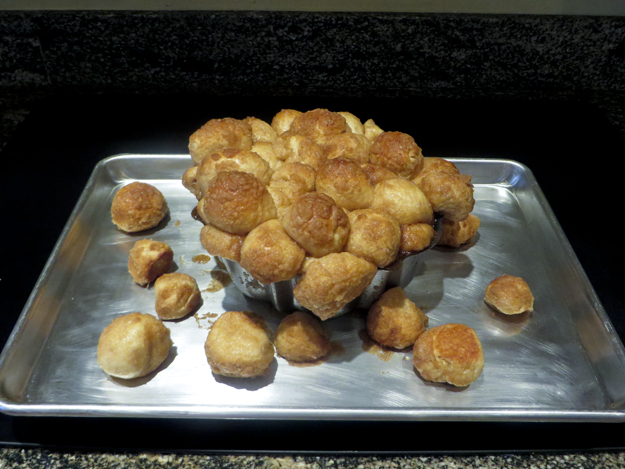
Shabbat dinner at our house just got a whole bunch more fun this week. piece removed 2If you have never heard of monkey bread, let me enlighten you. Essentially it is a yeast dough that is rolled into small balls, dipped in melted butter, then rolled in sugar and cinnamon and layered in a Bundt pan to rise. As it spends time in the oven, the little balls fuse together like  pieces of an interlocking puzzle-cake. Once it is baked, everyone pulls off the little balls of delicious dough with their hands and pops them in their mouth. As much fun to make as it is to eat. More fun than a barrel of monkeys!

How it got the name, “monkey bread” is up for debate. Some say that since monkeys are known for pulling at everything, when humans pull the warm butter drenched, cinnamon and sugar coated balls of baked dough off the finished loaf, we resemble a bunch of monkeys. Others have suggested that the way it is eaten, torn, piece by piece off the loaf resembles how monkeys pick at their food. Whatever the explanation, monkey bread is irresistible.

When I opened my inbox earlier this month and saw that Alexandra Penfold at Serious Eats was struck by the genius idea to create monkey bread from challah dough, I knew I had to try it. I make challah every week. My favourite challah dough is made with 2/3 all-purpose white flour and 1/3 whole wheat flour. Alexandra said that bread flour is best for making this version, so I followed her recipe. My mom was visiting me this week, so we made it together. I made the dough on Thursday and stuck it in the fridge for a slow overnight rise. You can make this all in one day if you like, but I find it easier to make the dough a day or two ahead of time and let it sit in the fridge until the day I want to serve it.

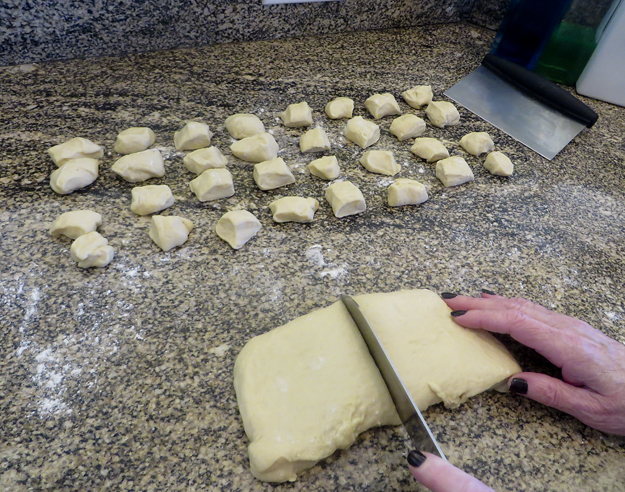
The dough gets divided into 64 pieces and then each piece is rolled into a ball. My mom has lots of patience for these kinds of projects. It would also be a perfect thing to do with kids! My daughter wants to make it with me when she comes to visit later this month.dividing dough

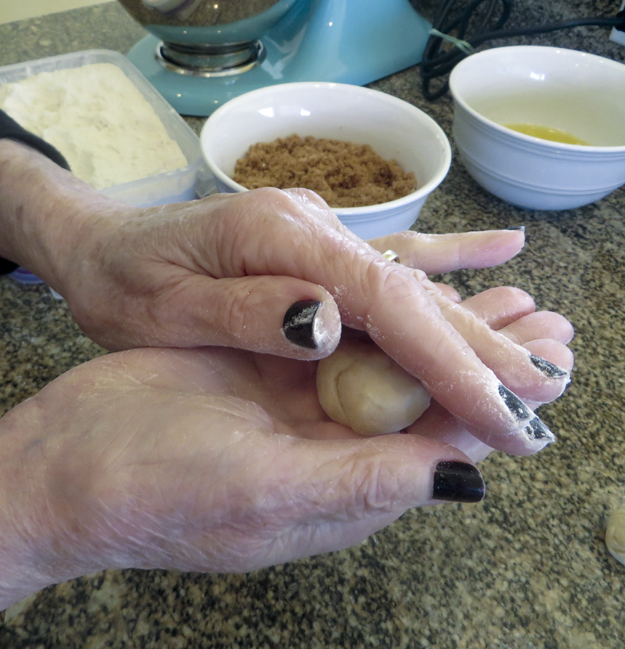
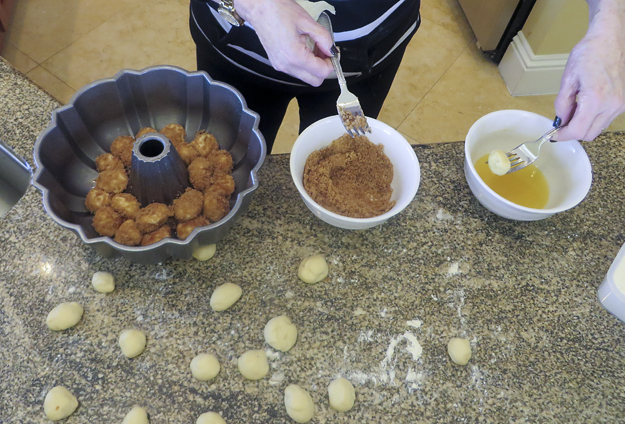
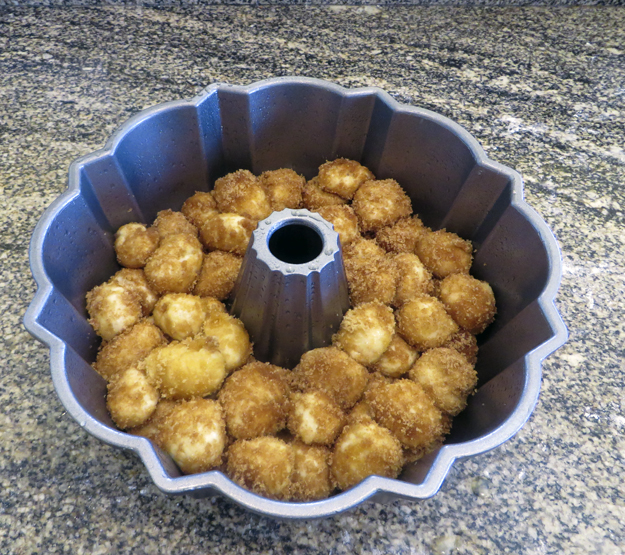
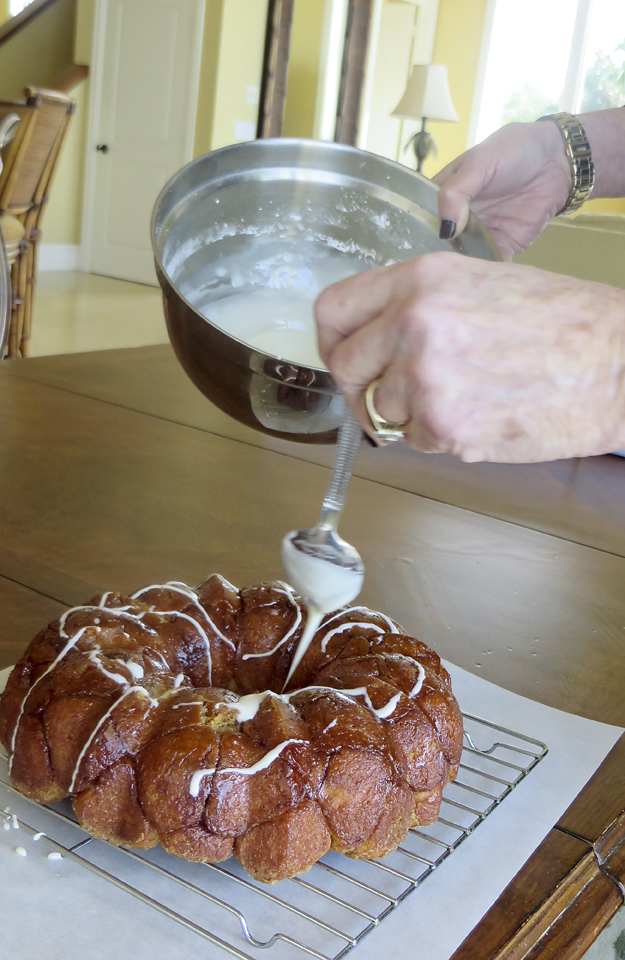
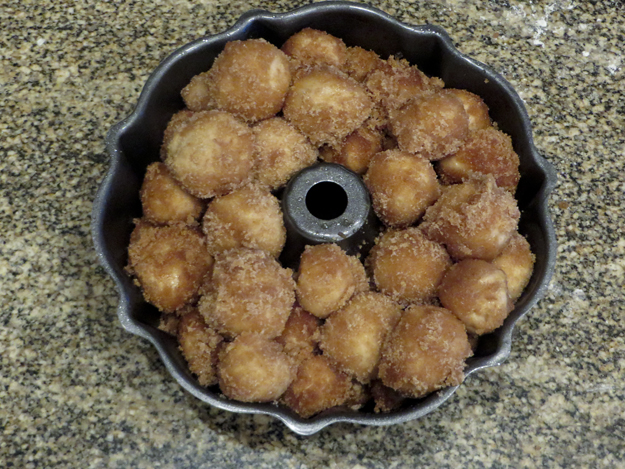
rolling into ballsThen each little dough ball is plunged into a bath of warm melted butter, followed by a dip into a tub of brown sugar and cinnamon.dipping in butter and sugar-cinnamonThe challah dough balls are then layered in a greased bundt pan. ready for oven 2After a 90 minute rise, the bread is ready for the oven. Once baked, it needs to cool for a bit before you can turn it out of the pan and cover it in cinnamon bun type of icing.icing

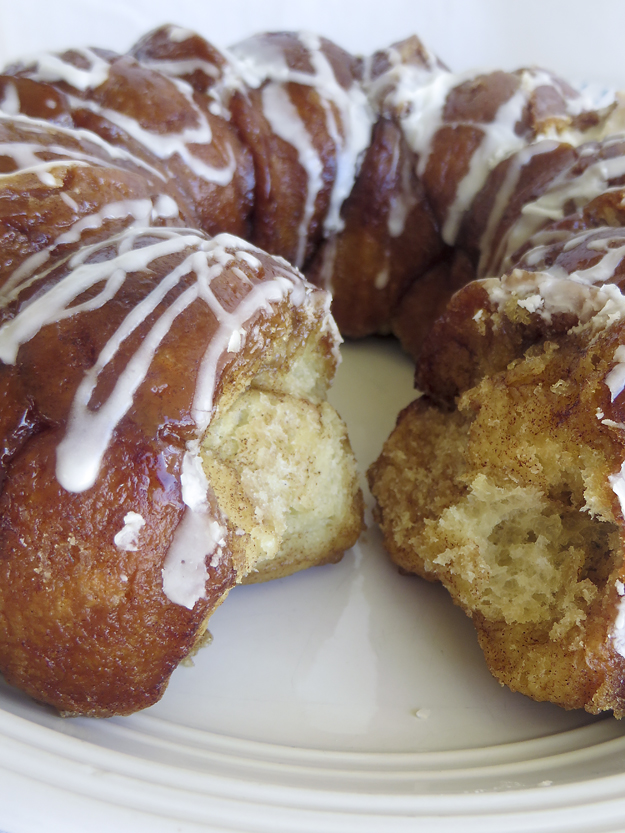
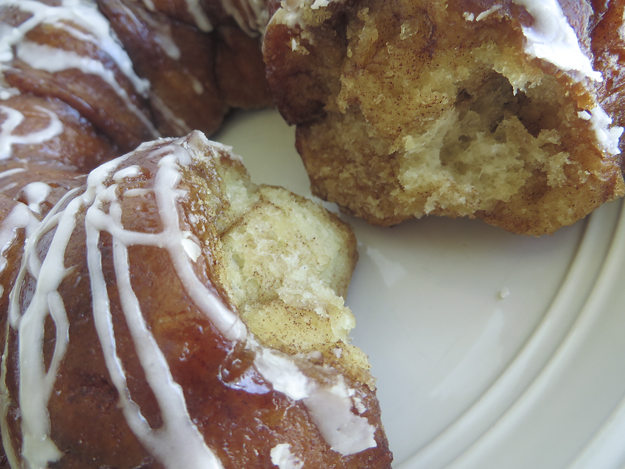
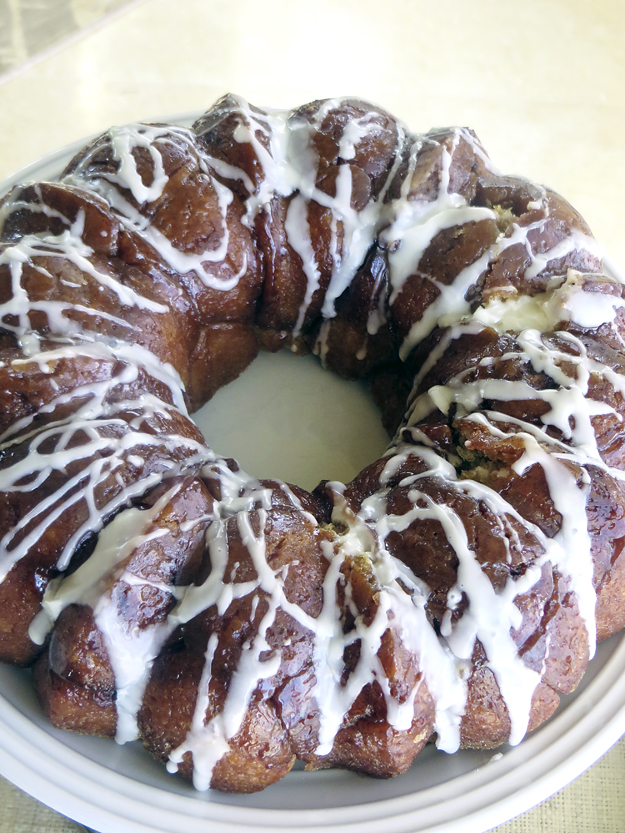
close up of insideThe monkey bread elicited lots of oohs and aaahs as I brought it to the table. We made the blessing on the challah monkey bread and then everyone tore into it. If you envision the best part of a cinnamon bun, that gooey center bit of dough, then you will understand the genius behind monkey bread. Each piece of monkey bread that you rip off is coated in that perfect sticky goo! After dinner, I left the remainder of the bread on the counter. It was gone by morning. I suspect we may have been visited by a barrel of monkeys in the middle of the night.all icedThrilled as I was by the results, I was a little disappointed that the finished bread was a bit squat, not tall and majestic as I had hoped. I suspected that Alexandra used a smaller sized Bundt pan. I used a standard 12 cup Bundt pan.  So, I did a little research and discovered that there is a smaller size Bundt pan, a 6 cup size. I ordered the smaller one and made a second challah monkey bread.

I used my challah dough in this version. The smaller pan filled up quite nicely.small pan ready for ovenAs the bread was baking, and filling the house with the insanely delicious aroma of cinnamon and brown sugar, I decided to take a peek into the oven. Ooops!pan too smallI failed to take into account that the dough would continue to rise. I felt like Goldilocks in the Three bears story. The first pan was too big for the dough. The second pan was too small. Then I emailed Alexandra to find out what size pan she used. Apparently there is a 9 inch silicone Bundt pan that holds 10 cups… just right!

The overflowing disaster monkey bread disapppeared just as quickly as the first one. The feedback I got was that everyone preferred the softer texture of the dough made from the all purpose flour and whole wheat flour combo dough, over the chewier texture from the bread flour dough. I did briefly consider ordering the 9 inch pan and remaking it a third time so my photo would be perfect for this post. My family told me that as much as they loved the Challah Monkey Bread, a third one in the span of one week was just too much fun for them to handle.

Click here to print recipe for Challah Monkey Bread.

If you are curious and would like to try Alexandra’s bread flour Challah Monkey Dough, click here.

#36. Stollen and the visual learner.


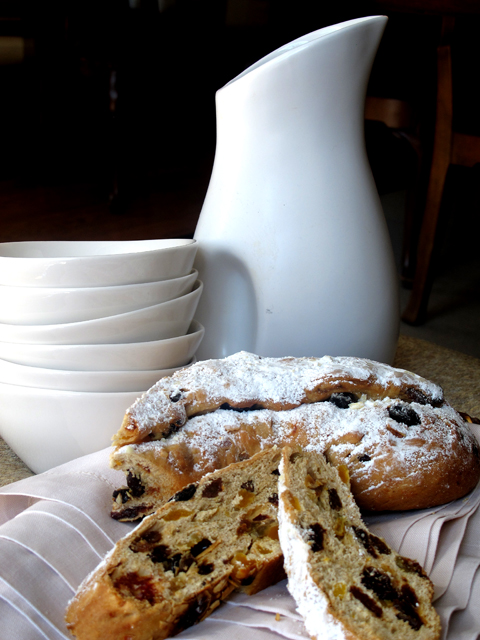
Who knew that a German fruit filled bread could demonstrate my learning deficiencies so clearly?  As I read through the recipe for Stollen,  this week’s bread in Peter Reinhart’s The Bread Baker’s Apprentice, I knew that I had a real challenge on my hands.  I could not, for the life of me, figure out how to shape this loaf.  I read through the directions at least 4 times and it just didn’t make any sense to me.  There were even some pictures to demonstrate the method but I still could not figure it out. 

Full disclosure here, I am not really great with written instructions.  (I can see my husband laughing his head off right about now as he reads this).  I never the read instruction manuals that come with anything new I buy.  I believe that things should be designed so that they are intuitive.  Usually I end up breaking something before I give in and pull out the manual.  I have never assembled anything from Ikea where I did not have at least 3 or more extra bolts or screws left over, leaving me wondering about the stability of whatever I just put together. 
Sorry, got a little off track there.  I proceeded to make the dough for the Stollen, without a clear plan on how I was going to shape it.  I figured that I’d just wing it when I got to that part.  The recipe begins with mixing some warm milk with flour and instant yeast to make a sponge.

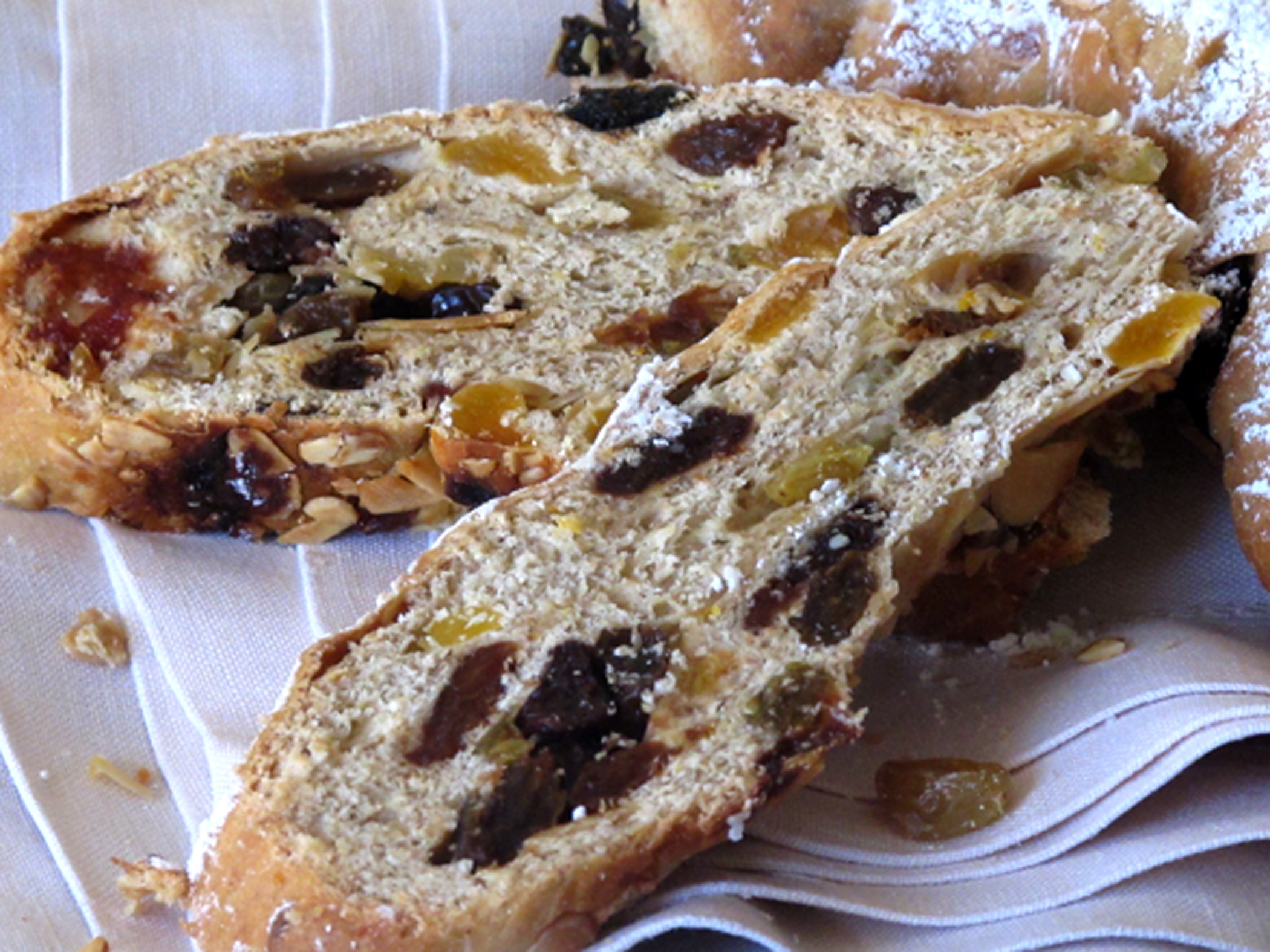
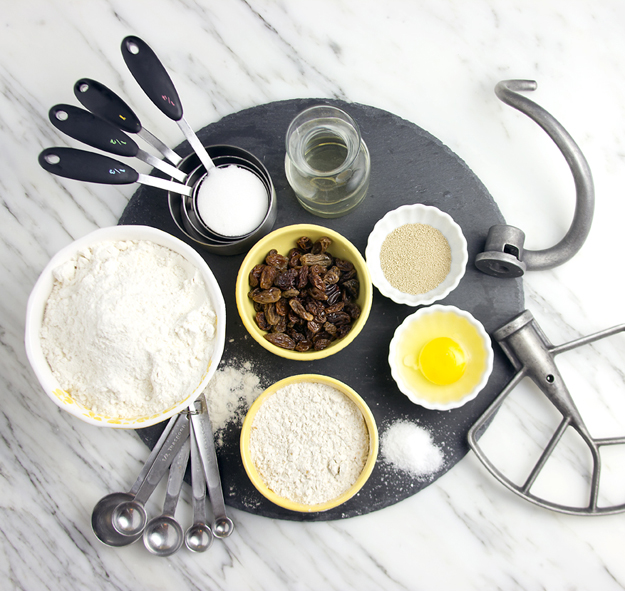
This mixture is set aside for about an hour, to get all bubbly.  The recipe called for golden raisins and candied fruit mix to be soaked in brandy or rum and orange or lemon extract.  I remembered  my experience with the Panettone bread I made back in November.  I hated that bread with the dried fruits soaked in alcohol so I decided to forgo this step.  As well, I decided to leave out the citrus extract.  I figured I’d get enough citrus flavour from orange and lemon zest.  I decided to skip the candied fruits as well and went with a combo of golden raisins, sultana raisins, dried cherries and dried apricots. 


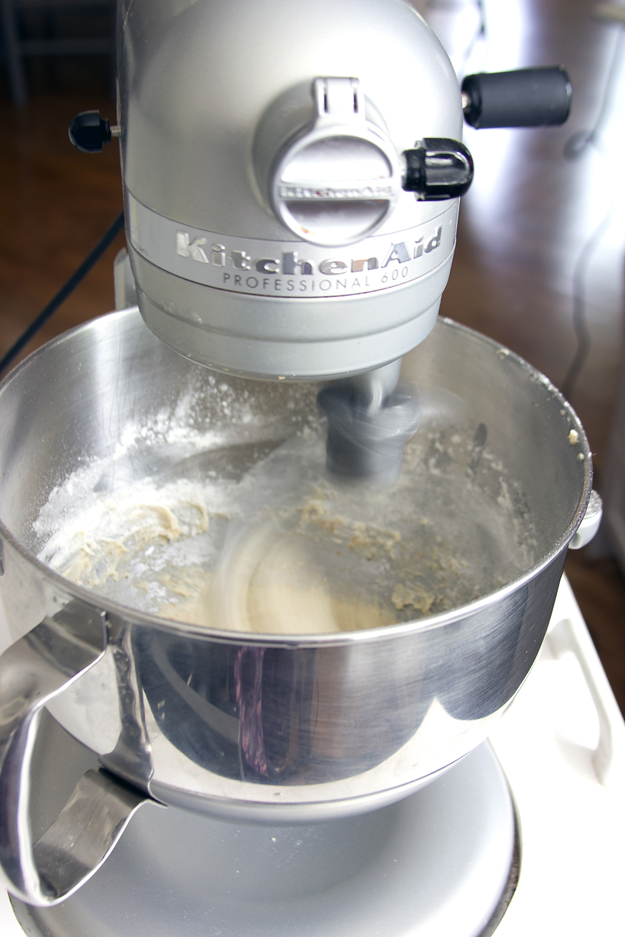
Once the sponge was all bubbly, it is added to all-purpose flour, sugar, salt, orange and lemon zest and cinnamon.  Butter, an egg and a bit of water are added until a sticky dough is formed.  Then about 3/4 of the dried fruit is added. The remainder gets added during shaping. I was feeling a bit lazy and decided to knead the fruit in by machine but it soon became apparent that hand kneading was in order.  I dumped the mixture onto the counter and kneaded for about 5 minutes until I had a silky dough and all the fruit was evenly incorporated.

Then the dough was set aside to rest, covered for about 45 minutes.  At that point I figured I’d better do some research to figure out what I was going to do about shaping this bread.  I googled Stollen and came up with several variations and shaping suggestions. 

There was a wreath shaped stollen from Martha Stewart’s mother. David Lebovitz formed his stollen into simple batards (oval-shaped loaves).   My favourite, however, was the stollen shaped like Mick Jagger’s lips from Philadelphia Chef John Gallagher.  Once baked, his version is dipped in melted butter and then rolled in a sugar-cinnamon mixture. 
I was just about to make the Mick Jagger version when I decided to read the shaping instructions in the Bread Baker’s Apprentice book one last time.  Eureka!  After my 5th read through I thought I finally understood how to do this.  It seemed that the shaping instructions were describing a simple letter fold.  Because I am a visual learner, I videoed myself shaping the bread for all you other visual learners out there.

I was quite proud of myself for figuring out how to shape this bread, and I only had to read the instructions 5 times.  I was just about to slide the stollen into the oven when a phrase in the instructions caught my eye, “Turn the dough seam side up….”  Huh?? I read it one more time and it was on my 6th read through that I finally understood that Peter Reinhart was describing an accordion style fold.  So I opened up my stollen and reshaped it.

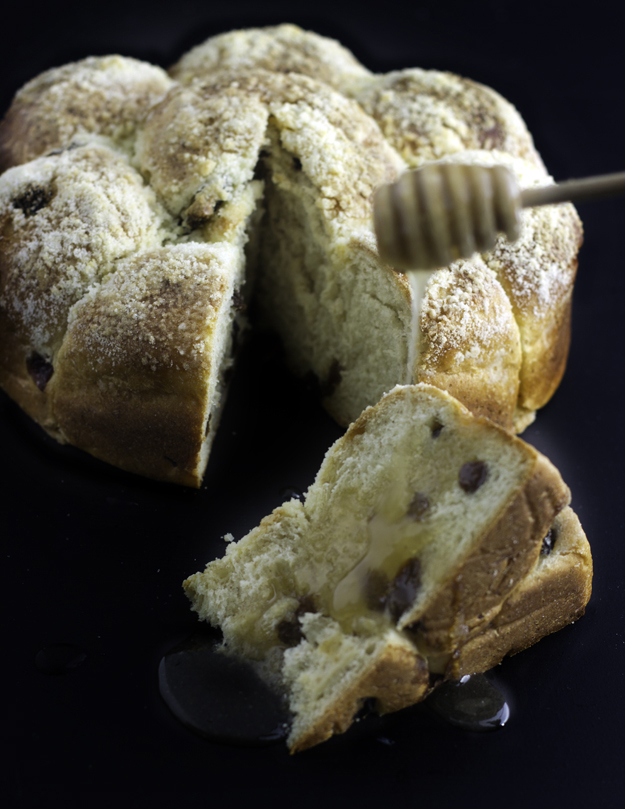
Although the recipe called for brushing the baked bread with vegetable oil, I opted for melted butter.   Then 2 coats of icing sugar and it’s done.

 As I baked this bread on Friday, I used it as our Sabbath challah stand-in.  I believe that the finished loaf is supposed to symbolize the blanket of baby Jesus.  Oh well, the world needs a little more culinary coexistence.  It was delicious and a nice change from our usual challah.  It was even better toasted with butter for breakfast the next day.

P.S.  I just discovered that fellow BBA challenger Kelly of Something Shiny figured out the accordian fold about a month ago and posted about it on her blog.  She also originally thought it was a letter fold and only after making it a second time worked out the proper shaping technique.