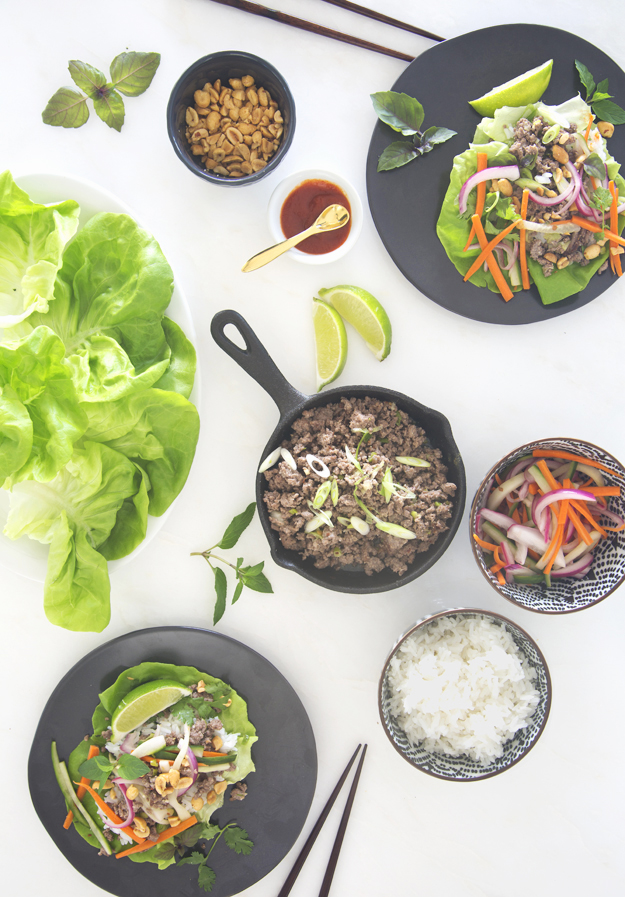
 You may know larb (pronounced “lawb”) from seeing it on the menu of your local Thai restaurant, but it actually originated in Laos, Thailand’s neighbour to the north-east. It has become a staple dish of Thai street food.
Larb is a salad, but not a regular vegetable salad. It is best described as a meat salad. Typically made with minced pork, chicken or beef, it is seasoned with fish sauce, chili flakes, lime juice and toasted rice to give it a crunchy texture. It is finished with green onions and an assortment of herbs (cilantro, mint and thai basil) to give it a verdant freshness and bring it all together.
Larb, wrapped in a lettuce leaf, (because anytime I can wrap something in a leaf and call it dinner, I am exceedingly happy), with a spoonful of sticky Thai rice, is a magical flavour bomb. Salty, spicy, sour, sweet and crunchy, it hits all the right notes.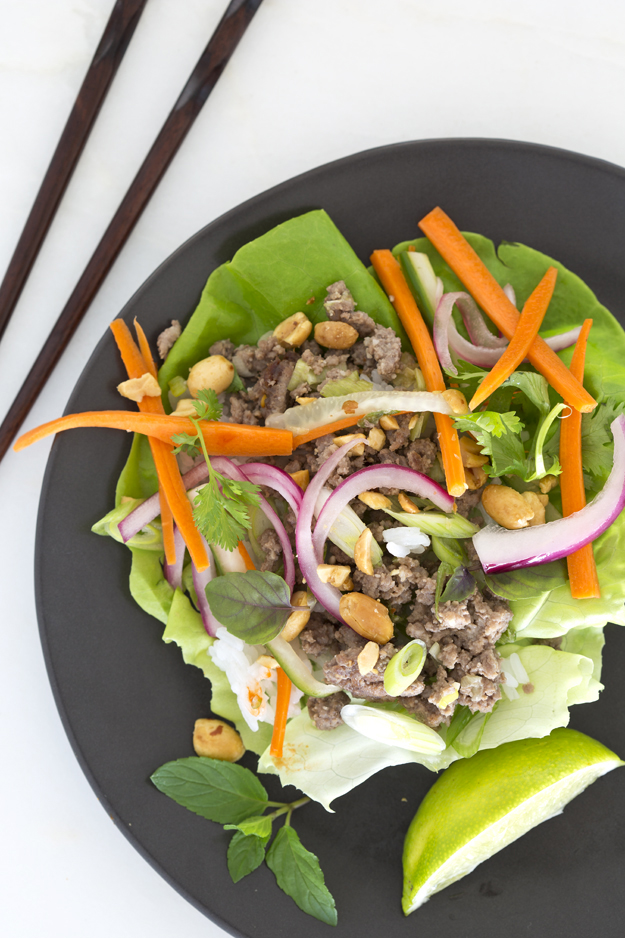 I decided to make it with ground lamb. While not totally authentic, my version is still quite delicious. I think it would also be great with ground turkey or chicken, for a lighter version.
No discussion of larb is complete without chatting about toasted rice. Browned ground rice adds a crunchy bite and a toasted fragrance. Leela over at shesimmers says, “ Whenever a Thai recipe calls for toasted rice powder, even just a smidgen of it, don’t be tempted to leave it out… This insignificant-looking (ingredient) is what differentiates a vaguely Thai-inspired dish from what a Thai mother serves her family somewhere in Thailand as we speak.”
Toasted rice powder is available at many Asian markets as well as on-line, but it is simple to make at home. Start with about 1/2 cup uncooked Thai rice and toast it in a dry skillet over medium heat for about 10-15 minutes, stirring frequently, until light brown and fragrant. (It will smell like you just made popcorn!) Let the rice cool and coarsely grind a few tablespoons at a time in a spice grinder. You only need 1-2 Tablespoons of the ground rice for their recipe. Just store the remainder in an airtight container in the pantry. 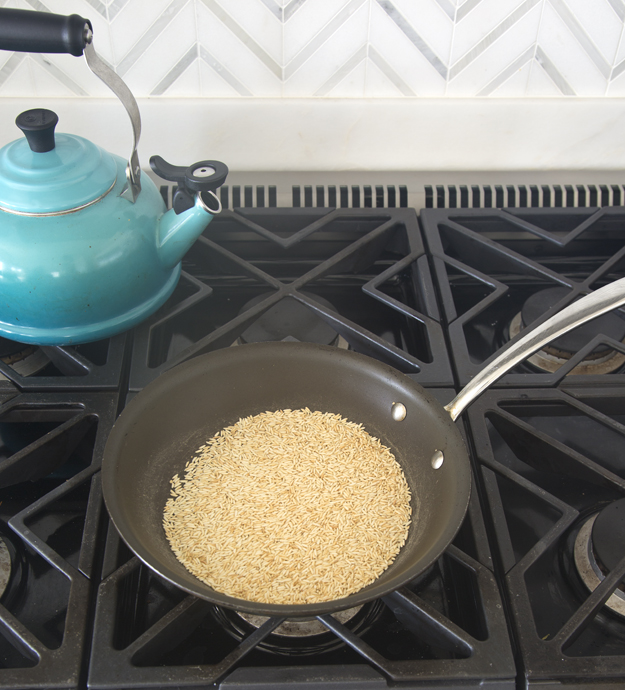 Once the toasted rice is done, this dinner comes together in about 30 minutes, if you follow this timetable.
Start with making a quickle. (That’s short for a quick pickle!) Julienne some cucumber and carrots and thinly slice some purple onion. Let them hang out in a vinegar/salt/sugar mixture for about 20 minutes, then drain and discard the pickling liquid. The pickled vegetables add a perfect sour note that contrasts beautifully with the rich lamb meat. 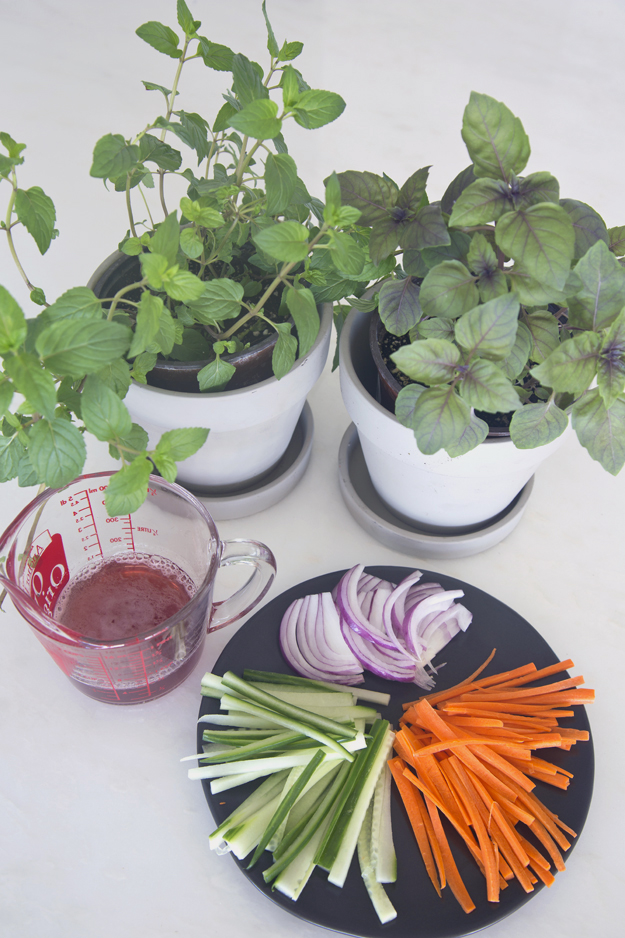 Put some Thai rice on to cook. While a rice cooker turns out perfect rice everytime, I have always resisted getting one because I don’t want another kitchen appliance. The reason rice made in a rice cooker always turns out light and fluffy is that it has a mechanism to release steam, which forces out additional moisture that normally gets trapped in a pot resulting in wet rice. Here is my fool-proof method for cooking rice.
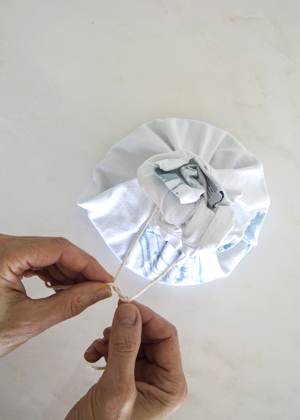
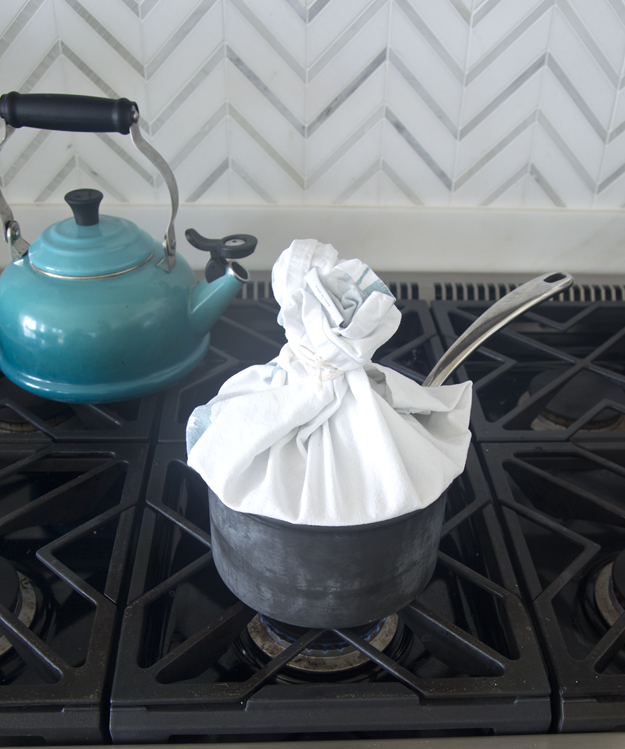
I wrap the pot lid in a kitchen towel. The towel mimics the steam release mechanism by absorbing all the excess steam and leaves you with perfectly cooked rice. 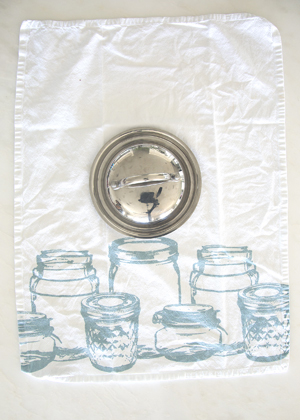
 While the rice is cooking and the vegetables are pickling, cook the lamb. I find a potato masher is the perfect tool for breaking the meat up.
Once the lamb is cooked through, take it off the heat and stir in the toasted rice powder. Start with 1 teaspoon fish sauce, 1/4 teaspoon red pepper flakes, 1 Tablespoon lime juice and 1 teaspoon brown sugar. Stir well and taste. Add more of whatever you think it needs. You want a balance of sweet, spicy, sour and salty. Stir in some sliced green onions.
Let everyone assemble their own wraps. Chopped peanuts add extra crunch. 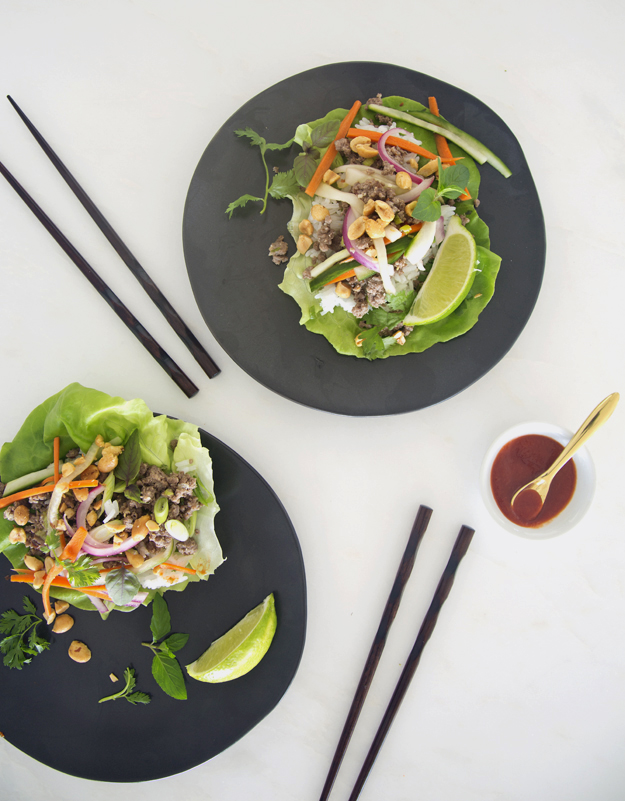
Click here to print recipe for Thai-Lamb-Larb.

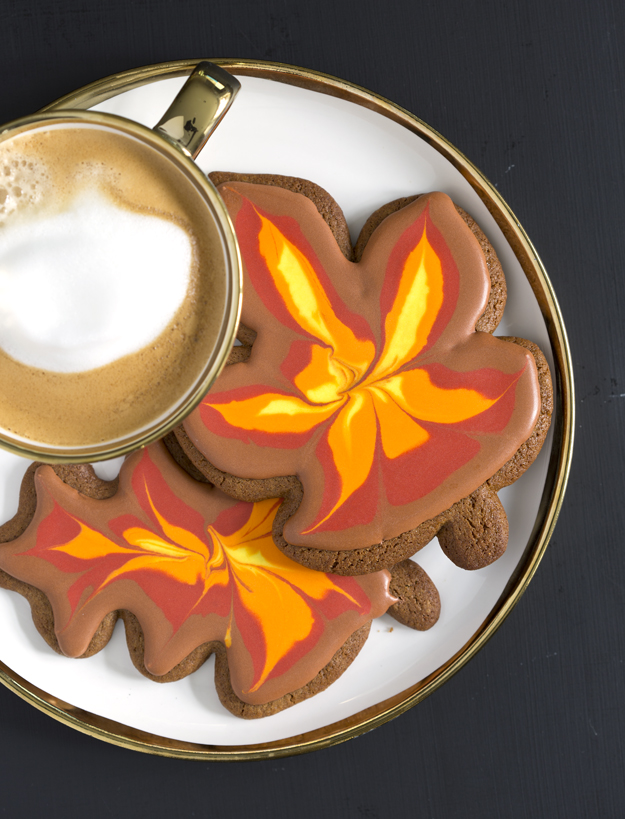
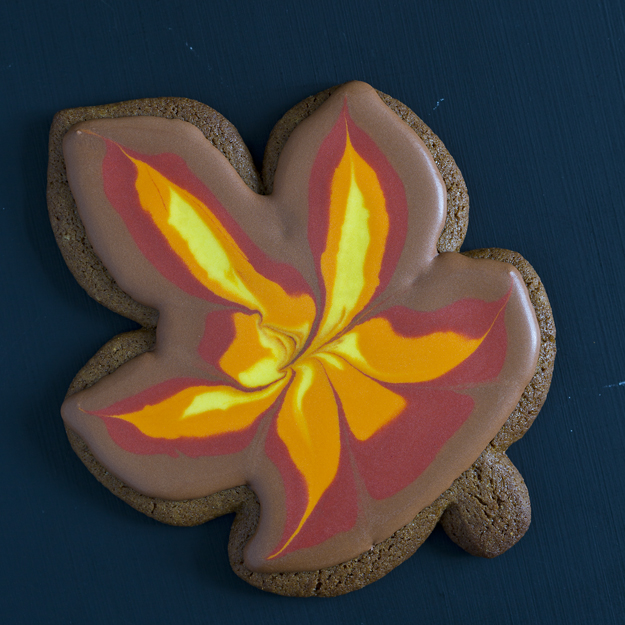
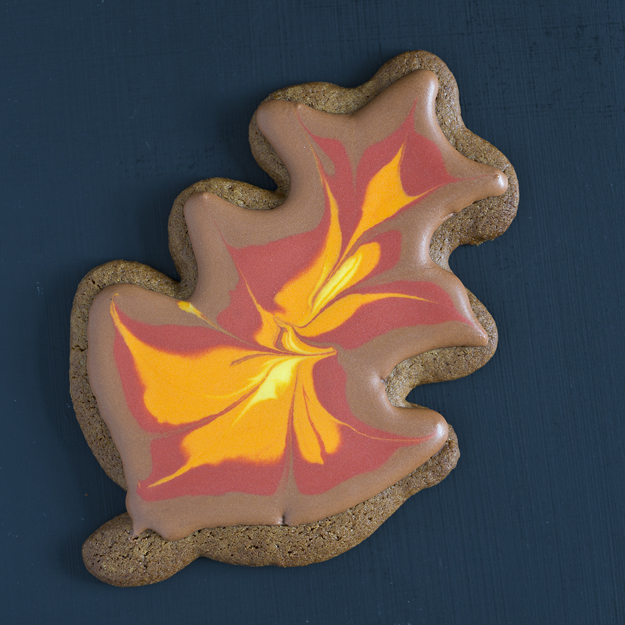
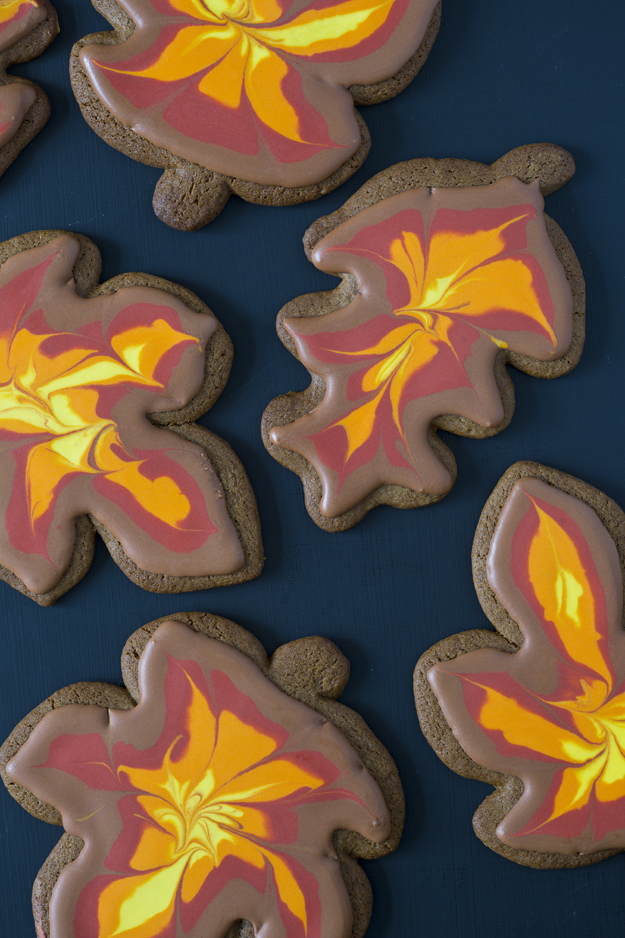 While the leaves have already finished falling where I live, I couldn’t resist making these gorgeous edible ones. It’s just too soon to start making winter cookies. I refuse to get sucked into that vortex this early in the season. I wanted to make the cookies gluten free since one of my sons follows a gluten- free diet and I was curious to try out Bob’s Red Mill 1 to 1 Gluten Free Baking Flour. It is a blend of white rice flour, brown rice flour, potato starch, sorghum flour, tapioca flour, and xanthan gum. You just substitute it cup for cup in your regular recipes.
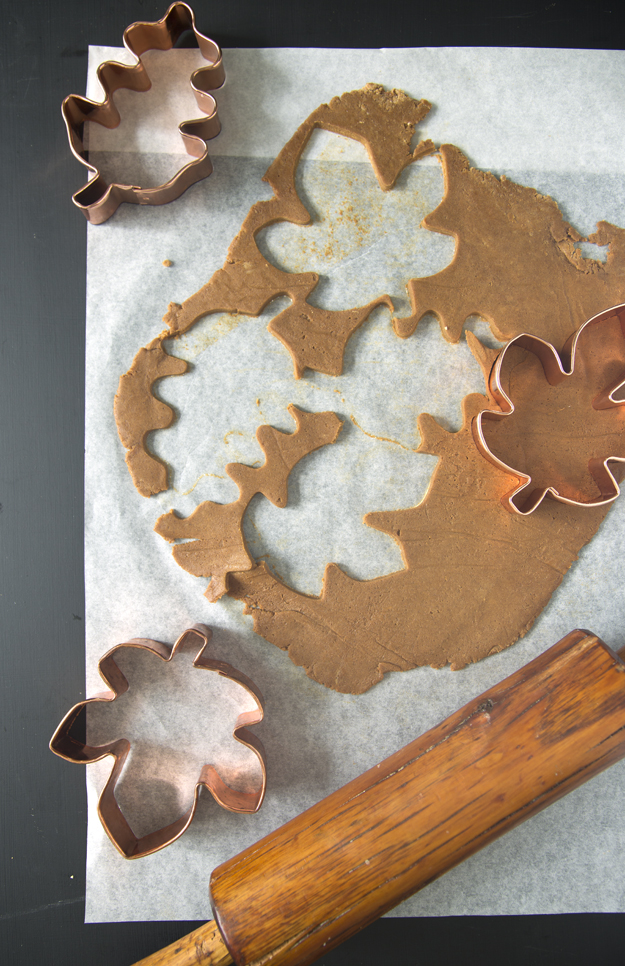
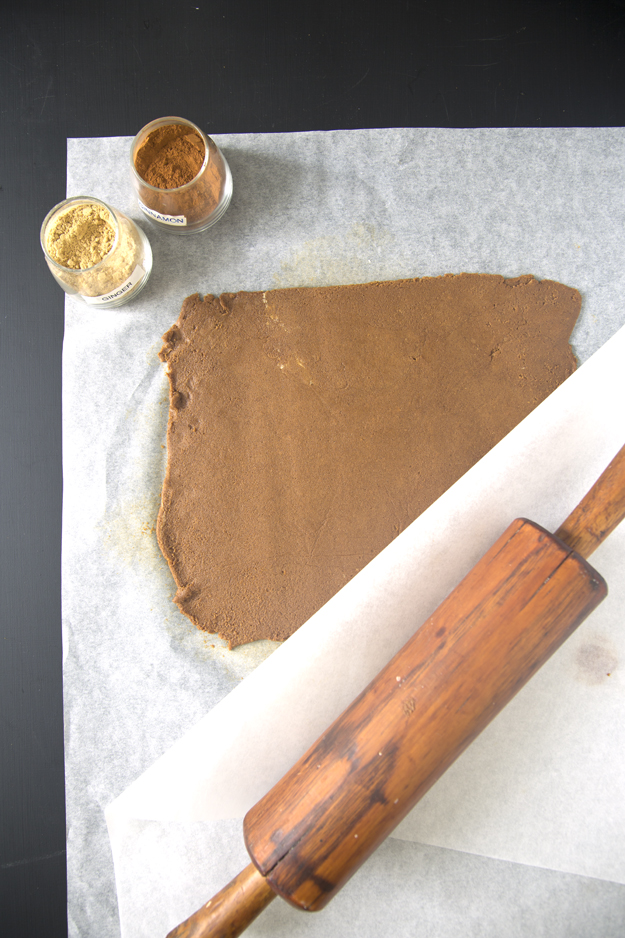 I got some beautiful copper cutters from coppergiftscom. They have thousands of different shapes. If you are a cookie lover it is easy to spend lots of time (and money!) over at their site. Don’t say I didn’t warn you.
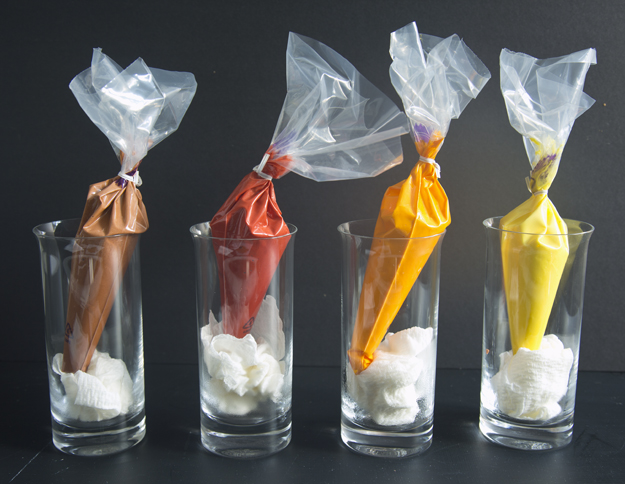
  I mixed up 4 colours of royal icing for my leaves. The formula to get these colours is in the recipe at the end of this post. I like to place the piping bags in a tall drinking glass. I place a crumpled up dampened paper towel in the bottom of each glass too keep the icing from drying out and getting all crusty, once you cut a hole in the piping bag.
  You can only decorate one cookie at a time as the icing must be wet to create the marbling effect. You will need toothpicks and a paper towel to wipe the toothpick off after dragging it through the wet icing.
 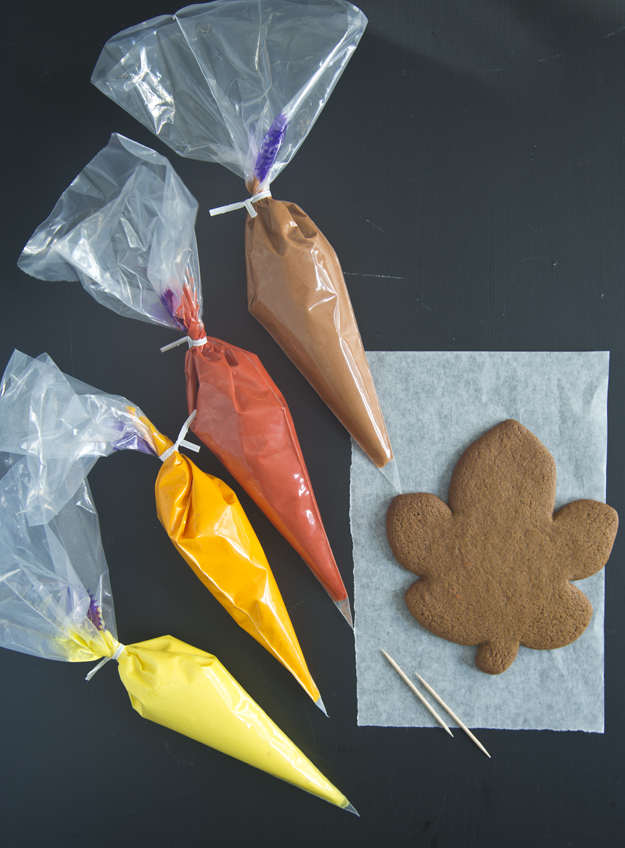 I created a video to show the technique.
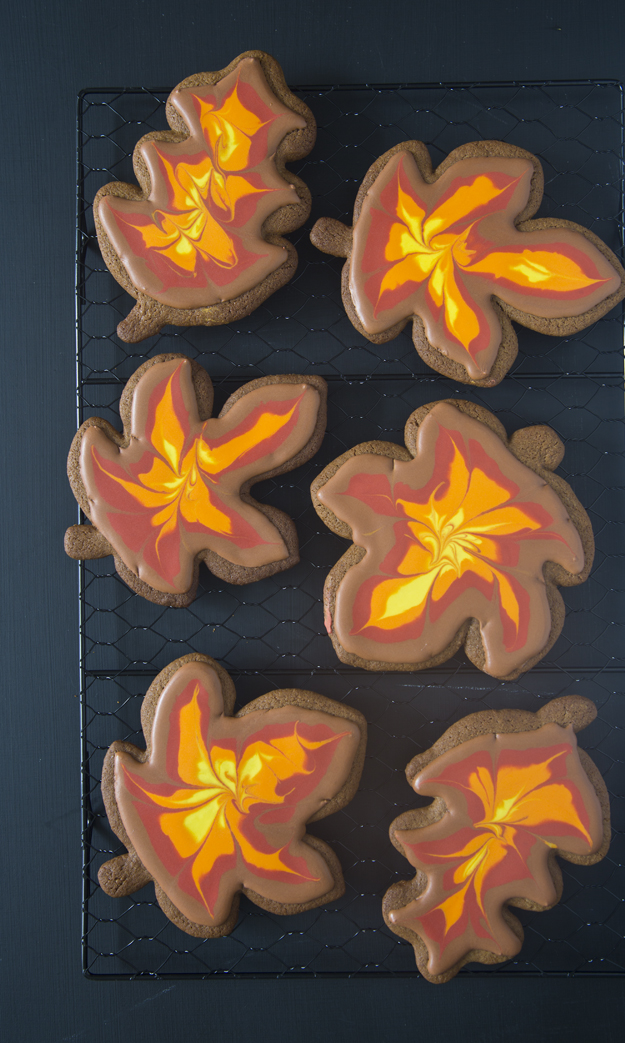 Perfect with a glass of milk or an afternoon latte!